Why ancient poets called the sea a whale-road and a warrior a sword-feeder
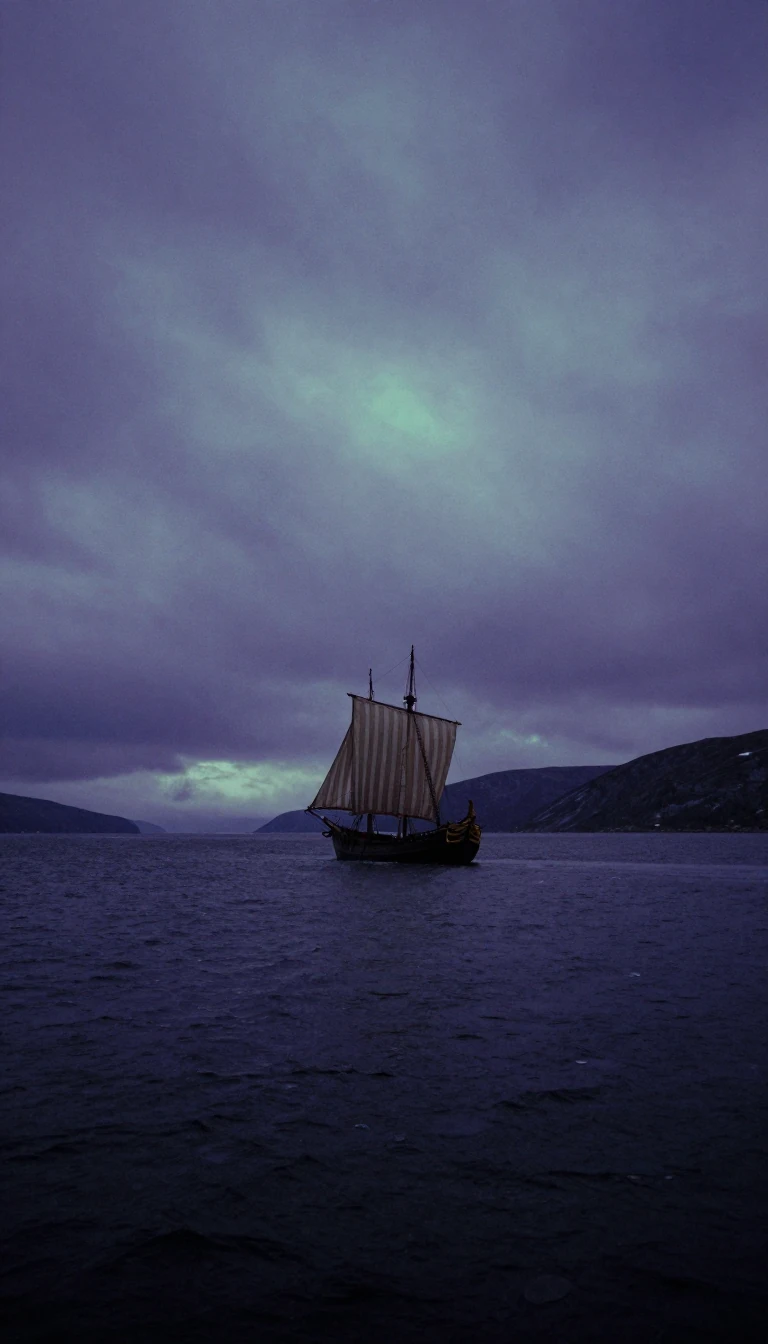
In short: A kenning is a poetic puzzle, a figurative compound noun used in place of a simple name. By replacing literal words with layered metaphors—like calling the ocean a whale-road or a sword a war-leek—skalds transformed ordinary speech into intricate, riddling verse that required deep cultural knowledge to decode.
At its core, a kenning consists of two parts: a base-word and a determinant. In the Old English phrase whale-road, road acts as the base, while whale serves as the modifier. This structure allows poets to describe objects through their associations rather than their names. While simple examples like sky-candle for the sun are relatively transparent, many kennings are deeply rooted in mythology. For instance, calling the sky Ymir’s skull references the primeval giant from whose remains the world was fashioned.
The complexity of these figures varied wildly. While Old English poets generally stuck to simple two-element constructions, Icelandic skalds developed elaborate, recursive layers. A warrior might be described as a feeder of war-gulls, which is itself a kenning for a raven. These extended figures, sometimes reaching up to seven elements, were known as rekit. Snorri Sturluson, the 13th-century author of the Edda, famously cautioned against extending these constructions beyond five elements, arguing that such excess lacked proportion and clarity.
Because Old Norse was a synthetic language with flexible word order, poets could weave these kennings throughout a stanza, separating the base-word from its determinant with other clauses. This created a dense, baroque style that relied on the audience’s familiarity with traditional metaphors. Though the practice is largely associated with Germanic verse, similar figurative parallelisms appear in other traditions, such as the biblical description of wine as the blood of grapes. Today, the term survives in the word uncanny, echoing the ancient root for knowledge.
Opens the Intellect+ feed with this card first. Swipe up for the next one.
Sources
- Summary by Intellect · source: Kenning
To cite this card, link to https://intellectplus.co.uk/app/ideas-kenning.
How we source, check and correct cards: Editorial standards.
General information, not professional advice. Spotted an error? Flag the card or see corrections and complaints.
Intellect Plus is a visual educational discovery platform for exploring fascinating facts and ideas. Brain Food, Not Brain Rot. What is Intellect Plus?
Related
More in Writers · More in Ideas & Philosophy · Latest · A–Z · All topics
