Why the ancient Greek Hydra became the ultimate symbol of an impossible, never-ending task.
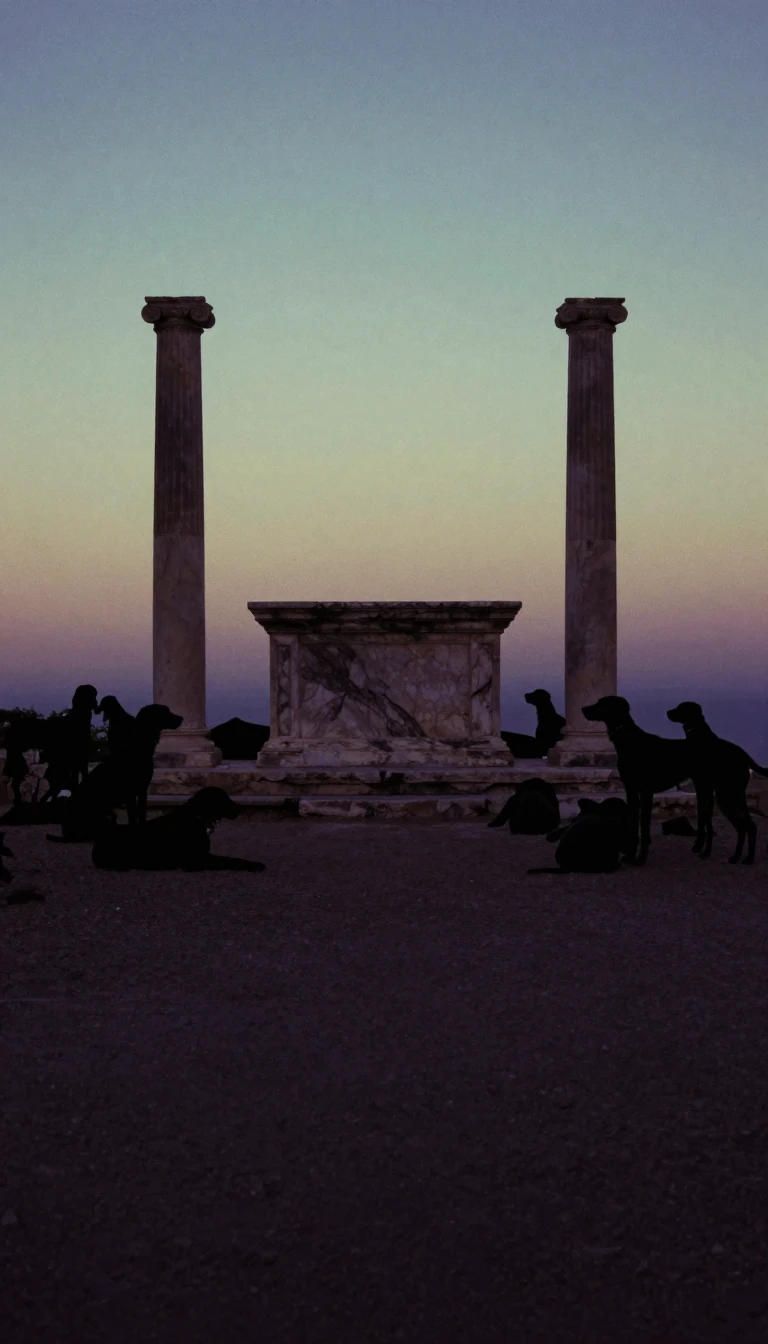
In short: The Lernaean Hydra was more than a multi-headed monster; it was a biological nightmare that could regenerate two heads for every one severed. This lethal creature, born of Typhon and Echidna, forced Heracles to invent a new strategy to survive its poisonous breath and blood during his second labor.
The Hydra resided in the lake of Lerna, a site recognized by archaeology as a sacred location predating Mycenaean Argos and long considered an entrance to the Underworld. In the canonical myth, Hera raised the beast specifically to destroy Heracles. The monster was so virulent that its scent alone was deadly, and its blood was so toxic that Heracles later used it to coat his arrows, enabling him to defeat other foes like the Stymphalian Birds and Geryon.
The myth evolved significantly over centuries. While the oldest depictions on bronze fibulae from c. 700 BC show a six-headed creature, later writers struggled to fix a definitive number. Alcaeus set the count at nine in c. 600 BC, while Simonides later claimed there were fifty. The regenerative mechanism also varied; Euripides introduced the idea that two heads grew back for each one removed, though Servius suggested three. This concept of endless, futile struggle became so ingrained in Greek culture that the phrase 'cutting off a hydra' became a proverb for hopeless tasks.
Heracles ultimately succeeded only by adapting his tactics. Realizing that brute force was insufficient, he enlisted his nephew Iolaus to cauterize the neck stumps with fire as he decapitated the beast. Even then, the monster remained invulnerable until its single immortal head was removed with a golden sword provided by Athena. Hera eventually placed the creature in the sky as the constellation Hydra, a transformation that mirrors earlier Babylonian associations with serpents like the Mushmahhu or Bashmu, linking Greek mythology to deeper Near Eastern traditions.
Opens the Intellect+ feed with this card first. Swipe up for the next one.
Sources
- Summary by Intellect · source: Lernaean Hydra
To cite this card, link to https://intellectplus.co.uk/app/ideas-lernaean-hydra.
How we source, check and correct cards: Editorial standards.
General information, not professional advice. Spotted an error? Flag the card or see corrections and complaints.
Intellect Plus is a visual educational discovery platform for exploring fascinating facts and ideas. Brain Food, Not Brain Rot. What is Intellect Plus?
Related
More in Mythology · More in Ideas & Philosophy · Latest · A–Z · All topics
