How ancient calendars and seasonal cycles shape the rhythm of religious life today
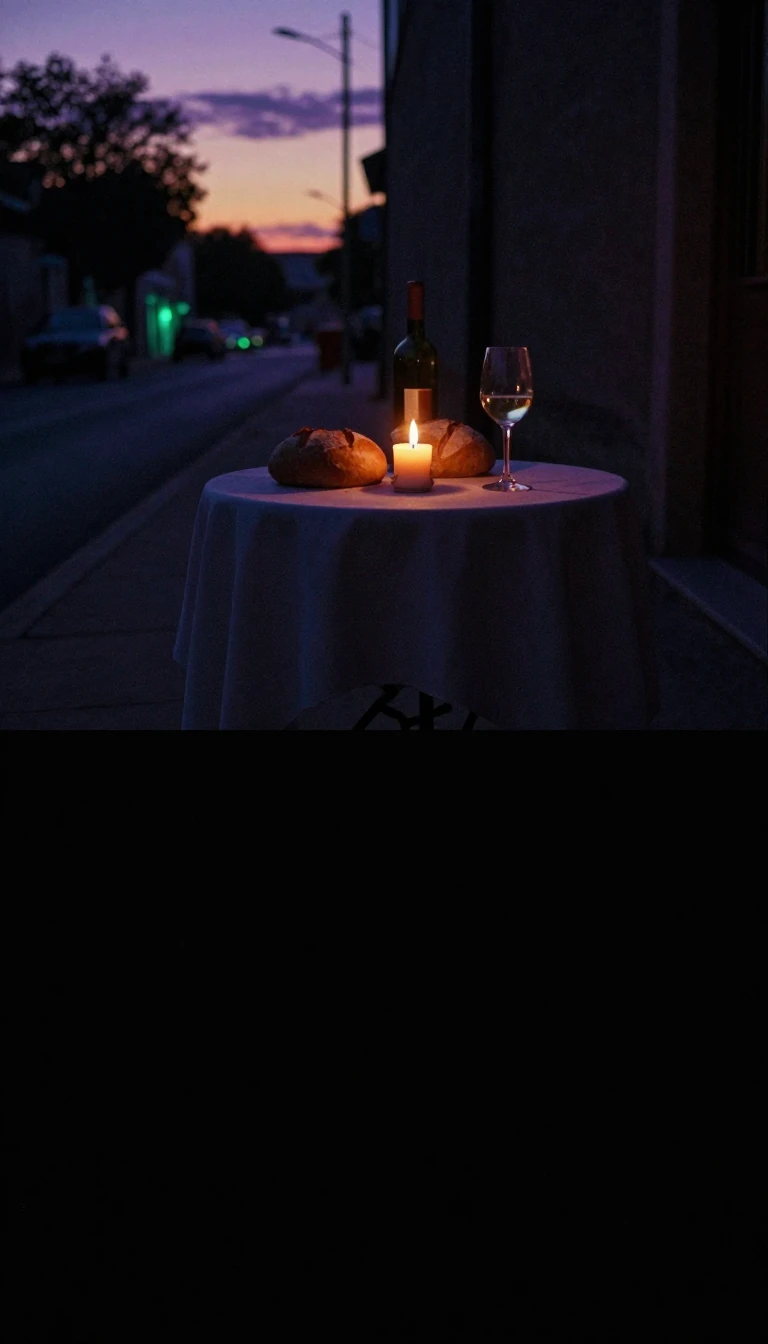
In short: The liturgical year is more than a calendar; it is a structured cycle of seasons, moods, and theological themes. By coordinating scripture readings, vestment colors, and fasting practices, these systems guide believers through salvation history, transforming the passage of time into a deliberate, recurring journey of spiritual reflection and preparation.
At its core, the liturgical year functions as an ecclesiastical framework that dictates the timing of feasts, saint commemorations, and specific scriptural readings. In traditions like the Roman Rite, this is managed through a lectionary—a systematic guide that ensures a balanced exposure to sacred texts. Following the Second Vatican Council in 1969, the Catholic Church introduced a three-year cycle for Sundays and a two-year cycle for weekdays, a structure later adopted by many Protestant denominations through the 1994 Revised Common Lectionary.
The East Syriac Rite offers a distinct example of how these cycles map onto salvation history. Its calendar is divided into seasons that trace the life of Jesus, moving from the anticipation of his birth during the weeks of Annunciation to the revelation of the Trinity at Epiphany. These periods are not merely chronological; they are immersive. During the '25 days Lent' preceding Christmas or the rigorous Great Fast, believers engage in specific disciplines like abstinence and almsgiving, designed to cultivate a state of readiness for the events being commemorated.
The roots of such systems reach deep into antiquity. Jewish religious life, for instance, has long been anchored by feasts like Passover and Shavuot, which are tied to specific dates in a calendar that evolved from an original tropical system to one influenced by Babylonian naming conventions. Whether solar, lunar, or lunisolar, these calendars demonstrate a universal human impulse to sanctify time. By aligning daily life with these rhythmic cycles, religious communities create a shared, enduring narrative that connects the individual to the broader sweep of history and faith.
Opens the Intellect+ feed with this card first. Swipe up for the next one.
Sources
- Summary by Intellect · source: Liturgical year
To cite this card, link to https://intellectplus.co.uk/app/ideas-liturgical-year.
How we source, check and correct cards: Editorial standards.
General information, not professional advice. Spotted an error? Flag the card or see corrections and complaints.
Intellect Plus is a visual educational discovery platform for exploring fascinating facts and ideas. Brain Food, Not Brain Rot. What is Intellect Plus?
Related
More in Abrahamic religions · More in Ideas & Philosophy · Latest · A–Z · All topics
