Why does modern work feel so hollow? Karl Marx had a radical answer.
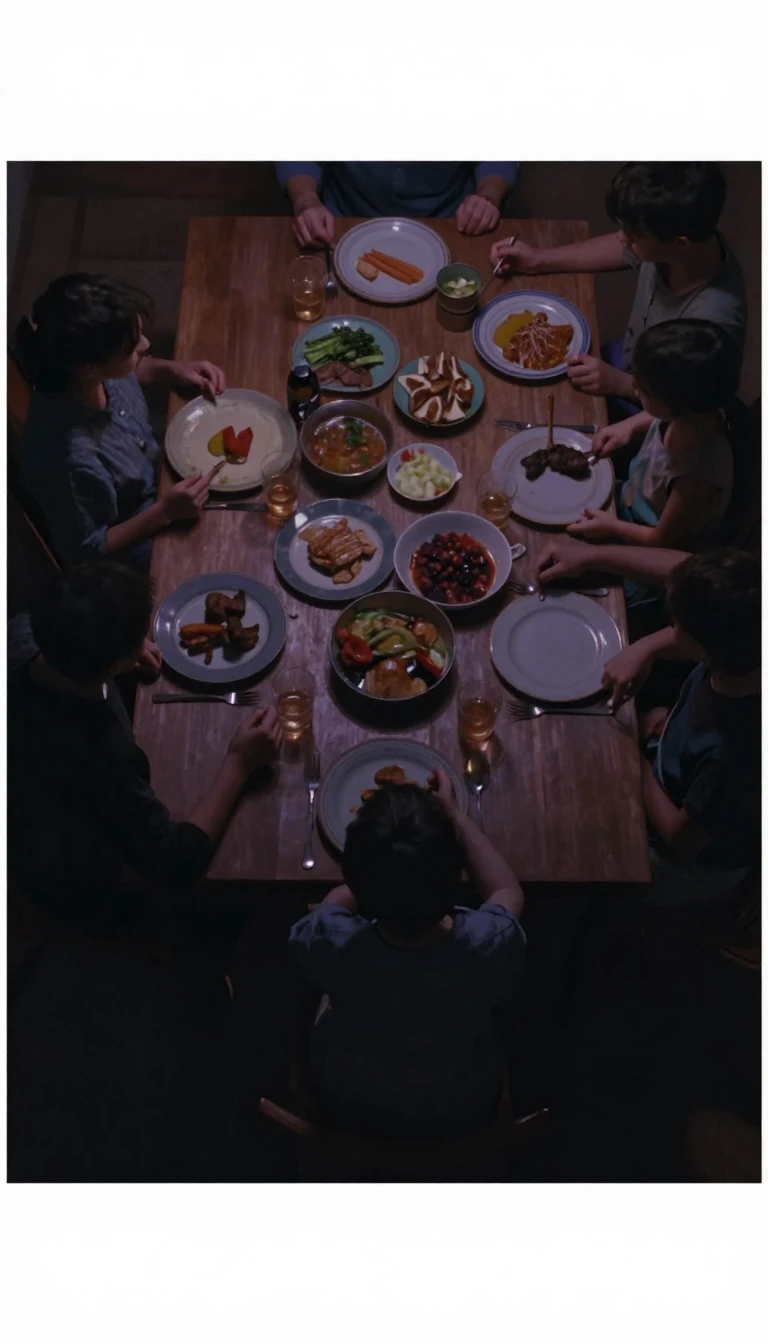
In short: Karl Marx argued that capitalism does not just pay workers; it fundamentally estranges them from their own humanity. By separating people from the products they create and the creative potential they possess, the modern economy turns labor into a hostile, coercive force that leaves individuals feeling profoundly isolated and dehumanized.
First articulated in his 1844 Economic and Philosophic Manuscripts, Marx’s theory of alienation posits that under capitalism, workers suffer from four distinct types of estrangement. They are separated from the product of their labor, which is appropriated by capitalists as a hostile power; from the act of production itself, which becomes meaningless toil; from their own 'species-being' or creative essence; and from other people, as social relations are reduced to market exchanges. This framework was heavily influenced by Georg Wilhelm Friedrich Hegel, who viewed alienation as a necessary stage of the 'Spirit' externalizing itself in the world. However, Marx rejected Hegel's idealism, grounding the concept instead in the material reality of wage labor and private property.
Marx identified the division of labor and the pursuit of 'egoistic need' as the primary drivers of this condition. In his view, the system forces individuals to surrender control over their labor, transforming human beings into commodities to be bought and sold. This reification—the process of turning human relations into things—permeates daily life, where money acts as a 'universal galvano-chemical power' that mediates all connections. Marx argued that this is not an abstract philosophical state but a concrete historical consequence of capitalist production, which can only be overcome through a revolutionary transformation of society.
A significant scholarly debate persists regarding whether Marx abandoned this humanistic theory in his later, more 'scientific' writings. Some thinkers, such as Louis Althusser, proposed a 'break' between the young, philosophical Marx and the mature economist. Conversely, many analysts like Bertell Ollman and Ernest Mandel argue that this is a false dichotomy. They contend that the theory remained a central, unifying concept, with later works like the Grundrisse and Das Kapital providing a deeper, more concrete elaboration of the same themes. For Marx, the ultimate solution was communism: an association of free individuals where labor is transformed from a coercive necessity into a conscious, creative activity, finally allowing for the full development of human potential.
Opens the Intellect+ feed with this card first. Swipe up for the next one.
Sources
- Summary by Intellect · source: Marx's theory of alienation
To cite this card, link to https://intellectplus.co.uk/app/ideas-marx-s-theory-of-alienation.
How we source, check and correct cards: Editorial standards.
General information, not professional advice. Spotted an error? Flag the card or see corrections and complaints.
Intellect Plus is a visual educational discovery platform for exploring fascinating facts and ideas. Brain Food, Not Brain Rot. What is Intellect Plus?
Related
More in Philosophers · More in Ideas & Philosophy · Latest · A–Z · All topics
