Maya is not just an illusion, but the creative power shaping our perceived reality.
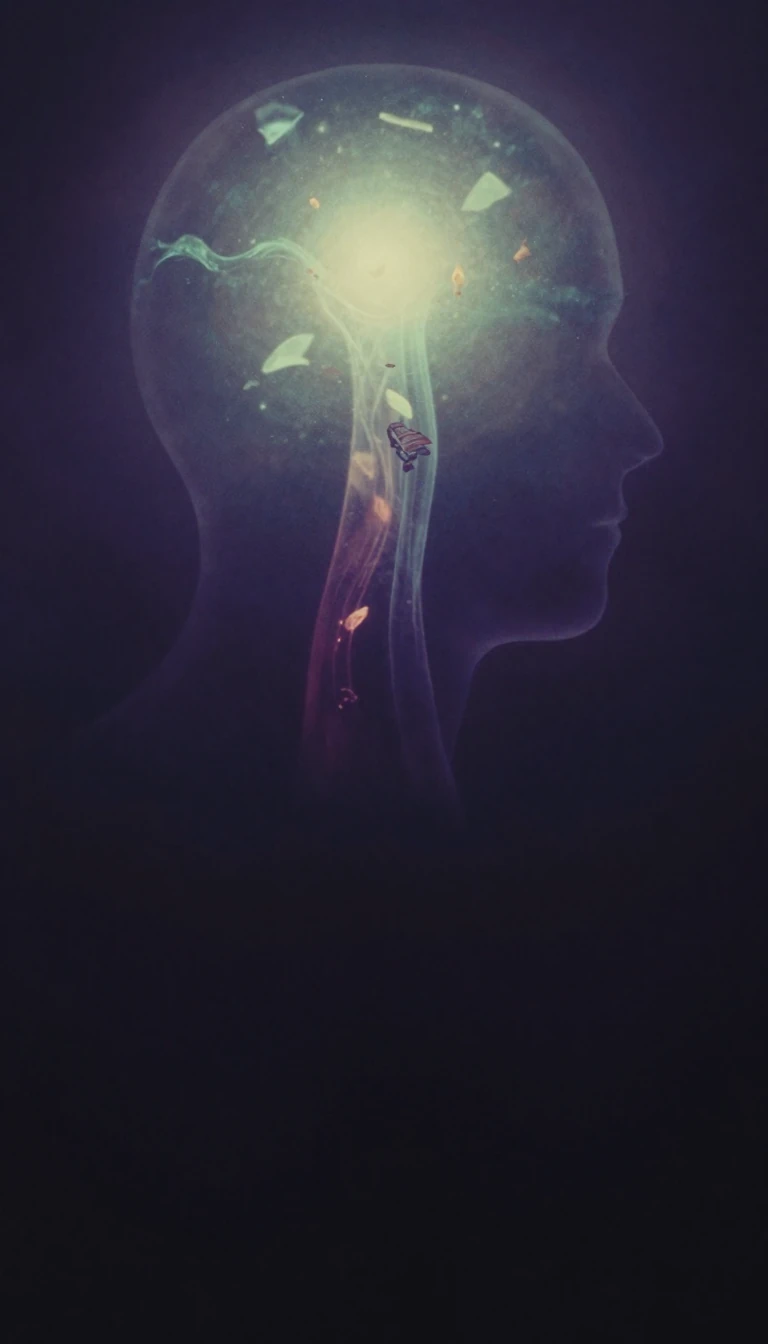
In short: In Indian philosophy, maya is often mistranslated as mere illusion. Instead, it represents the mysterious force that makes the phenomenal world appear real, concealing the unchanging Absolute. It is the mechanism of creation itself—a divine magic that both reveals and obscures the true nature of our existence.
The term maya, likely derived from the root 'ma' meaning to measure, has evolved significantly in meaning. While early Vedic texts associated it with wisdom and extraordinary power, later interpretations often reduced it to deception or sorcery. Scholars like P. D. Shastri argue that viewing maya as mere illusion is a misleading generalization. Instead, it is better understood as appearance—a powerful, creative force that manifests the material world from the unmanifested Absolute, or Brahman.
In the Advaita Vedanta school, maya is the cosmic illusion that prevents individuals from recognizing their true Self, or Atman. It is the veil of ignorance, or avidya, that causes us to mistake the body-mind complex for our ultimate reality. This is not to say the world is unreal, but rather that it is not what it seems. Maya limits our knowledge, functioning like a road that is only necessary because we have forgotten our destination is already within us.
The concept is deeply contested across different schools of thought. While Vedanta focuses on the illusory nature of the phenomenal world, the Samkhya school historically maintained a dualistic view, treating nature, or Prakriti, as a real, material entity rather than an illusion. Meanwhile, the Nyaya school argued that what we call illusion is simply flawed cognition or incomplete understanding. Despite these debates, the core function of maya remains consistent: it is the creative discipline that allows the universe to unfold, change, and die, while the eternal principles remain untouched.
Ultimately, maya serves as a bridge between the finite and the infinite. Whether described as the 'magic' of a deity or the 'unfathomable plan' of the universe, it is the mechanism through which the eternal consciousness experiences the diversity of life. By understanding maya, one moves beyond the distractions of desire and the illusion of independence, seeking the true knowledge that identifies the individual with the unchanging Absolute.
Opens the Intellect+ feed with this card first. Swipe up for the next one.
Sources
- Summary by Intellect · source: Maya (religion)
To cite this card, link to https://intellectplus.co.uk/app/ideas-maya-religion-2.
How we source, check and correct cards: Editorial standards.
General information, not professional advice. Spotted an error? Flag the card or see corrections and complaints.
Intellect Plus is a visual educational discovery platform for exploring fascinating facts and ideas. Brain Food, Not Brain Rot. What is Intellect Plus?
Related
More in Philosophy · More in Ideas & Philosophy · Latest · A–Z · All topics
