How a Boeotian prince became a marine deity and the patron of Isthmian games
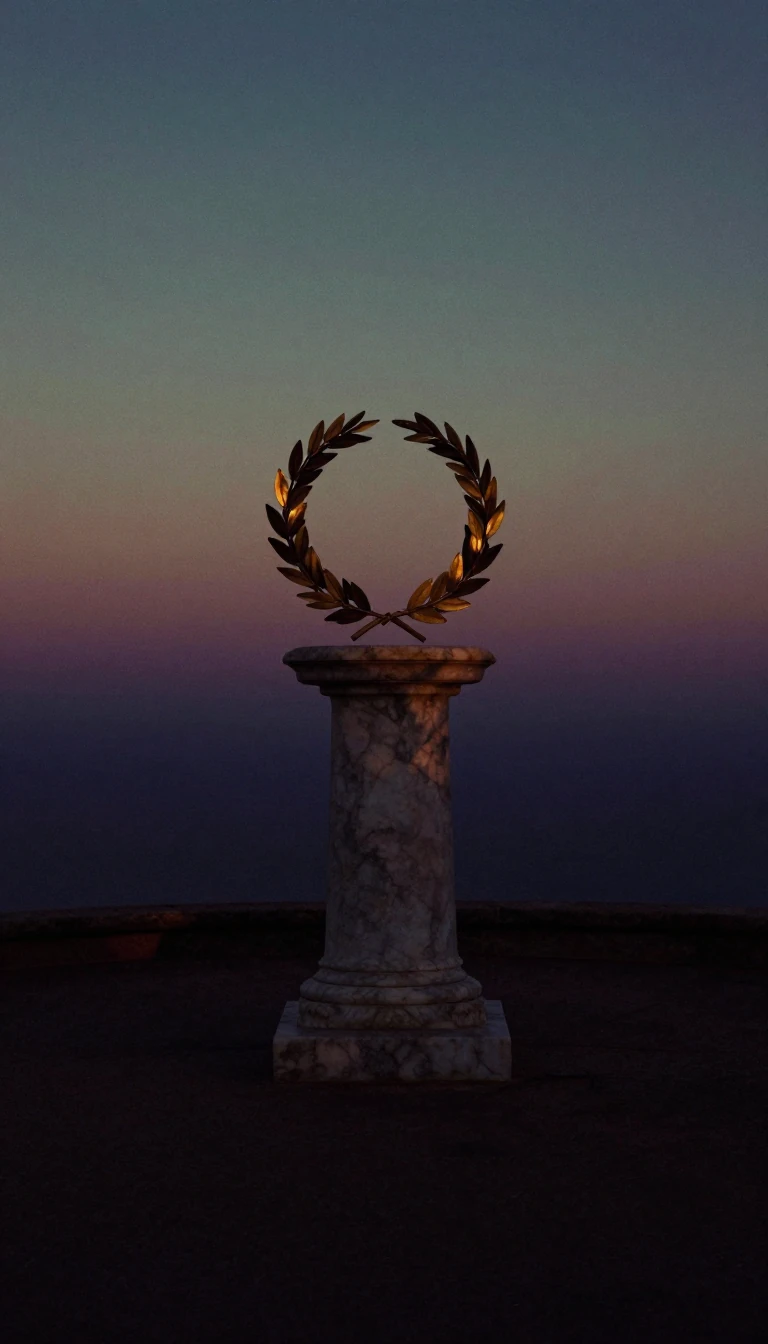
In short: In Greek mythology, the tragic plunge of a mother and son into the sea transformed them into divine figures. Melicertes, the son of King Athamas, emerged as Palaemon, a protector of sailors. His legacy, marked by ancient games and mysterious subterranean shrines, remains a puzzle of cultural and historical origins.
The myth of Melicertes begins in Thebes, where his mother, Ino, fled from her husband, Athamas, after Hera drove the king to madness. In a desperate act, Ino leaped from a cliff into the sea while holding her son. Rather than perishing, both were deified: Ino became the sea goddess Leucothea, and Melicertes was reborn as Palaemon. Legend holds that a dolphin carried his body to the Isthmus of Corinth, where his uncle Sisyphus discovered him and established the Isthmian Games in his honor.
Palaemon’s identity is layered with ambiguity. While Hellenic tradition views him as a native of Boeotia, some scholars suspect a Phoenician influence, potentially linking him to the deity Melqart. His name, which translates to 'wrestler,' has invited various interpretations, including connections to the Roman harbor god Portunus. Despite these theories, no consensus exists regarding the true etymology of his name or the extent of foreign influence on his cult, which gained prominence during the Augustan age.
Archaeological evidence at Isthmia provides a tangible look at his worship. Excavations led by Broneer in 1956 revealed a sanctuary that evolved through multiple architectural phases, culminating in a small Roman temple. The site was notable for the thousands of oil lamps offered by devotees. By the 2nd century CE, the traveler Pausanias described a 'Holy of Holies' at the sanctuary, an underground space where the god was said to be concealed, serving as a site for solemn, binding oaths.
The historical reality of the cult remains a subject of academic debate. While some early 20th-century researchers proposed that the worship of Melicertes was of extreme antiquity, later scholars like Hawthorne challenged these claims, noting a lack of archaeological proof for a pre-Augustan presence. Today, Palaemon persists as a fascinating figure—a bridge between the human tragedy of a Boeotian prince and the enduring, mysterious power of a maritime deity.
Opens the Intellect+ feed with this card first. Swipe up for the next one.
Sources
- Summary by Intellect · source: Melicertes
To cite this card, link to https://intellectplus.co.uk/app/ideas-melicertes.
How we source, check and correct cards: Editorial standards.
General information, not professional advice. Spotted an error? Flag the card or see corrections and complaints.
Intellect Plus is a visual educational discovery platform for exploring fascinating facts and ideas. Brain Food, Not Brain Rot. What is Intellect Plus?
Related
More in Greek mythology · More in Ideas & Philosophy · Latest · A–Z · All topics
