Why Michel Butor was the structuralist who refused to be a structuralist
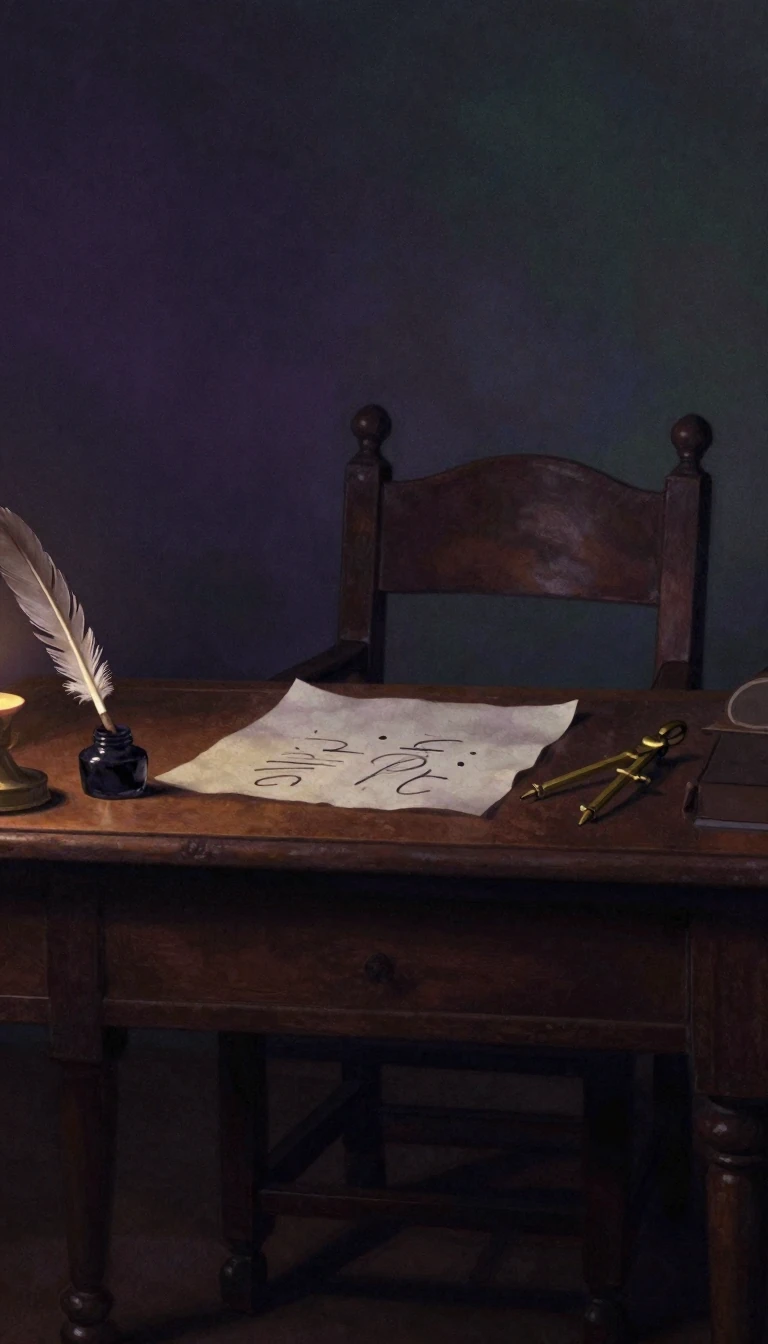
In short: Michel Butor was a master of rigid literary architecture, yet he rejected the nouveau roman label. By blending mathematical precision with a deeply lyrical sensibility, he transformed the act of writing into an experimental, trans-contextual game. Discover how a railroad inspector's son redefined the boundaries of the modern novel.
Born in 1926, Michel Butor emerged as a singular voice in French literature, moving fluidly between poetry, essays, and novels. While critics often grouped him with the nouveau roman movement, Butor consistently resisted this categorization. He viewed himself as an experimentalist, a stance best illustrated by his most famous work, La Modification, which is written entirely in the second person. This choice forces a unique intimacy, challenging the reader to inhabit the narrative space in ways traditional prose rarely allows.
Butor’s work is defined by a tension between cold, structural rigor and a warm, poetic spirit. Roland Barthes famously praised him as an epitome of structuralism, pointing to the deliberate, almost architectural schemes underpinning books like Passage de Milan or the calendar-based structure of L'Emploi du temps. Yet, Butor’s prose possessed a lyrical quality that felt closer to Baudelaire than to the clinical detachment of his contemporaries. He believed that even direct quotations were acts of parody, a concept he termed trans-contextualization in his 1967 essay collection.
His career was marked by constant reinvention and collaboration. After teaching across Europe and Egypt, his 1960 visit to the United States inspired Mobile, a controversial, experimental exploration of American life. Later in his life, he became deeply involved in artist's books, working alongside figures like Gérard Serée. By the time he received the French Academy’s highest literary honor in 2013, his legacy was cemented not just by his novels, but by his relentless pursuit of new forms, including his final role as a foundational member of The Raymond Roussel Society in 2016.
Ultimately, Butor’s fascination with literature, painting, and travel created a body of work that defies simple classification. Whether through stereophonic novels or complex, multi-layered essays, he treated writing as a transformative process. His death in 2016 left behind a vast, intricate bibliography that continues to challenge how we perceive the relationship between structure and imagination in modern storytelling.
Opens the Intellect+ feed with this card first. Swipe up for the next one.
Sources
- Summary by Intellect · source: Michel Butor
To cite this card, link to https://intellectplus.co.uk/app/ideas-michel-butor.
How we source, check and correct cards: Editorial standards.
General information, not professional advice. Spotted an error? Flag the card or see corrections and complaints.
Intellect Plus is a visual educational discovery platform for exploring fascinating facts and ideas. Brain Food, Not Brain Rot. What is Intellect Plus?
Related
More in Philosophers · More in Ideas & Philosophy · Latest · A–Z · All topics
