The minbar is more than a pulpit; it is a seat of Islamic authority.
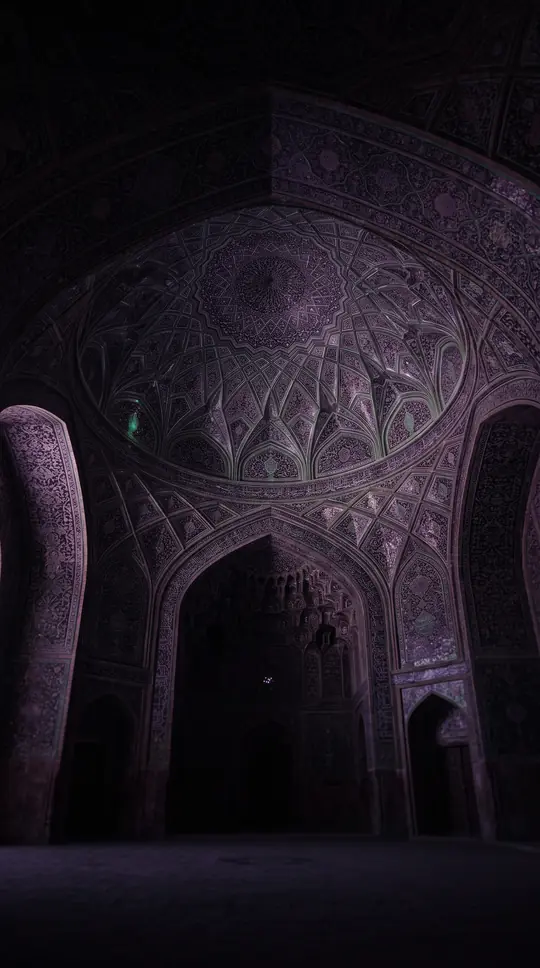
In short: Beyond its role as a platform for the Friday sermon, the minbar serves as a profound symbol of political and religious legitimacy. Originally a simple three-step structure used by Muhammad, this elevated seat evolved into an architectural centerpiece that signaled the authority of caliphs and local leaders across the Muslim world.
The minbar, derived from the Arabic root for elevation, functions as the pulpit from which the khutbah, or sermon, is delivered. In its earliest form, the structure was modest, consisting of just three steps used by Muhammad. Following his death, the minbar became a potent symbol of authority for the caliphs who succeeded him in administrative and political roles. By the mid-8th century, the Umayyad Caliphate mandated the construction of minbars in all Friday mosques, cementing its status as a standard feature of Islamic architecture.
The evolution of the minbar reflects the broader history of Islamic leadership. While Sunni tradition emphasizes the caliph as a leader appointed by men, Shiʿi Islam developed a distinct concept of the imamate, rooted in the spiritual authority of ʿAlī and his descendants. This divergence in leadership philosophy—whether authority is earned through learning or inherited through divine appointment—shaped the political landscape of the ummah. As the minbar became the setting for weekly sermons that often invoked the name of the current ruler, it functioned as a public declaration of who held the right to lead.
Architecturally, the minbar transformed from a simple throne into a masterpiece of craftsmanship. By the 9th century, elaborate wooden structures, such as the one in the Great Mosque of Kairouan, featured hundreds of intricately carved pieces assembled without glue or nails. Later examples, like the famous minbar commissioned by Nur ad-Din in 1168–1169, showcased sophisticated geometric patterns and muqarnas. These structures were not merely functional; they were deliberate displays of prestige, often commissioned at great expense to reinforce the legitimacy of the ruling power in major cities.
Opens the Intellect+ feed with this card first. Swipe up for the next one.
Sources
- Summary by Intellect · source: Minbar | Mosque Pulpit, Prayer Platform, Caliphal Symbol | Britannica
- Also: Minbar
To cite this card, link to https://intellectplus.co.uk/app/ideas-minbar.
How we source, check and correct cards: Editorial standards.
General information, not professional advice. Spotted an error? Flag the card or see corrections and complaints.
Intellect Plus is a visual educational discovery platform for exploring fascinating facts and ideas. Brain Food, Not Brain Rot. What is Intellect Plus?
Related
More in Abrahamic religions · More in Ideas & Philosophy · Latest · A–Z · All topics
