How a stolen bucket and a fog-shrouded miracle defined a northern Italian powerhouse.
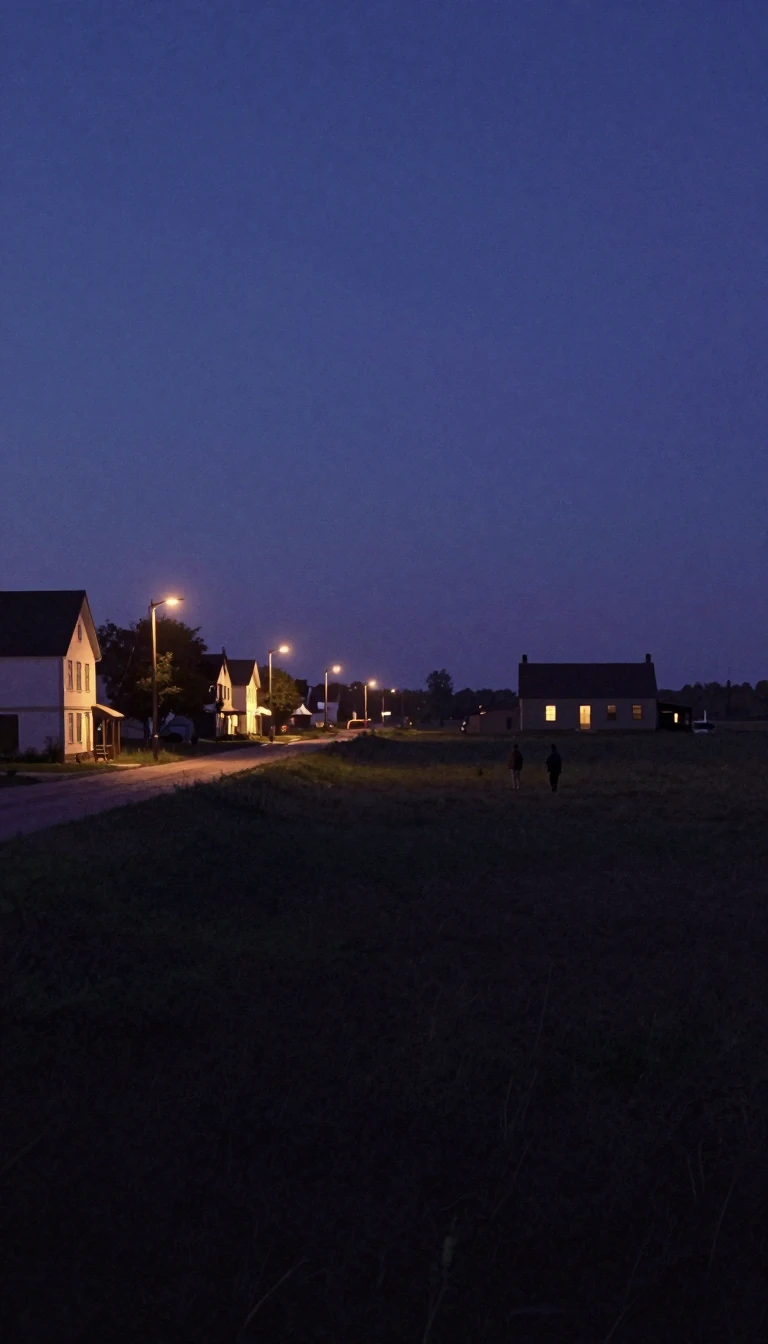
In short: Modena is more than a hub for luxury sports cars like Ferrari and Maserati. From its origins as a Roman military outpost to its survival through medieval sieges and floods, the city has long balanced strategic importance with artistic grandeur, housing UNESCO treasures and a history of ducal power.
Modena, situated in Italy’s Po Valley, has been a site of human activity since the Iron Age. Known as Mutina to the Romans, it served as a critical military colony founded in 183 BC. Its strategic location on the Via Aemilia made it a focal point for conflict, enduring sieges by Pompey in 78 BC and Mark Antony in 44 BC. Despite its prominence, the city faced near-obliteration in the 7th century when a massive flood forced its abandonment, though local legend credits the patron saint Geminianus with protecting it from Attila the Hun via a protective fog.
The city’s medieval resurgence was marked by the construction of its iconic Cathedral, begun in 1099 under the patronage of Countess Matilda of Tuscany. Designed by the master-mason Lanfranco, the cathedral became a catalyst for urban renewal and a landmark of Romanesque architecture. By the 13th century, Modena had established itself as a free comune, eventually falling under the long-standing influence of the Este family in 1288. The Este dukes transformed the city into a refined capital, commissioning the Ducal Palace and amassing vast cultural collections, which remained the seat of their court until the 19th century.
Modena’s identity is also deeply tied to its eccentric local history, including the 1325 Battle of Zappolino against Bologna. The conflict is immortalized by the Secchia Rapita—a stolen wooden bucket that remains a symbol of the city’s civic pride. Today, the city blends this rich heritage with modern industry. While it remains a global center for automotive engineering and balsamic vinegar production, it preserves its past through the Biblioteca Estense’s 3,000 manuscripts and the architectural legacy of the Este era, maintaining its status as a vital cultural and economic node in the Emilia-Romagna region.
Opens the Intellect+ feed with this card first. Swipe up for the next one.
Sources
- Summary by Intellect · source: Modena
To cite this card, link to https://intellectplus.co.uk/app/ideas-modena.
How we source, check and correct cards: Editorial standards.
General information, not professional advice. Spotted an error? Flag the card or see corrections and complaints.
Intellect Plus is a visual educational discovery platform for exploring fascinating facts and ideas. Brain Food, Not Brain Rot. What is Intellect Plus?
Related
More in Philosophers · More in Ideas & Philosophy · Latest · A–Z · All topics
