The Iranian scholar who revitalized Islamic philosophy by bridging tradition with modern thought
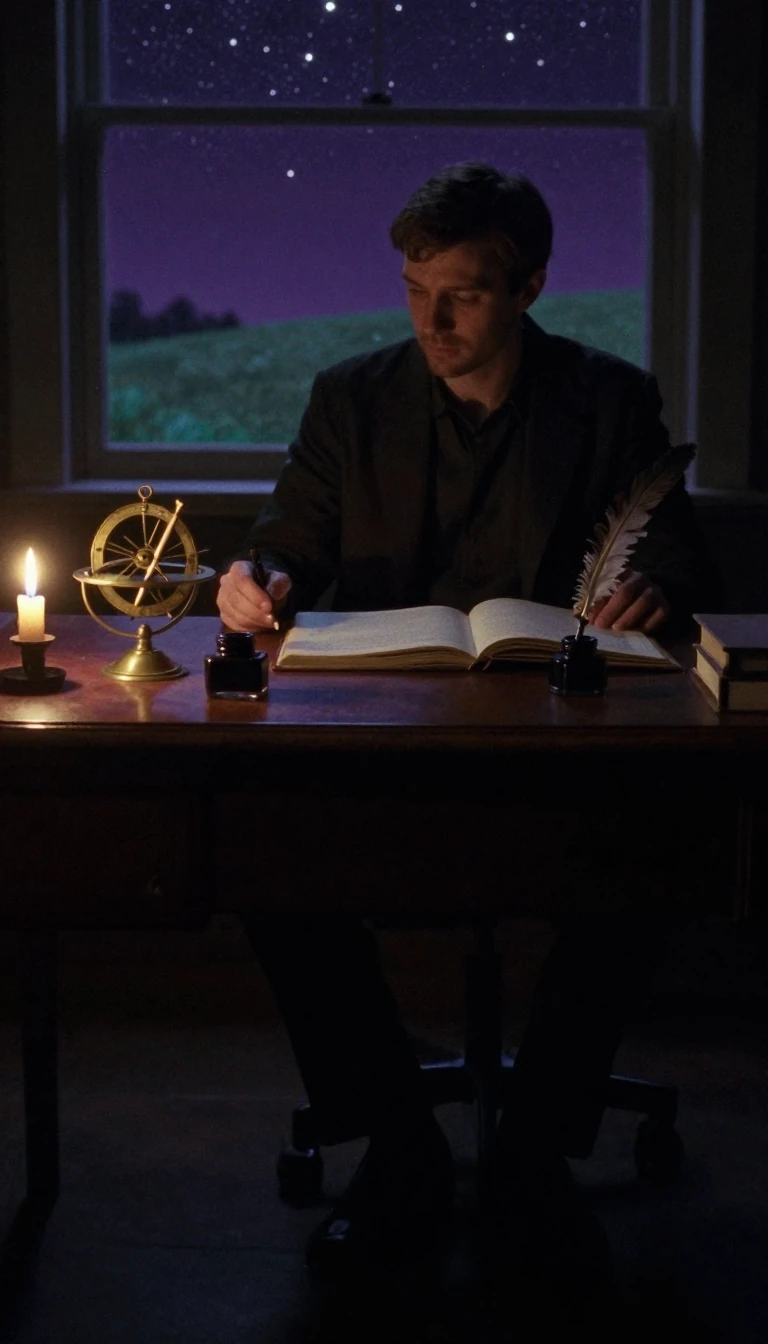
In short: Muhammad Husayn Tabataba'i was a transformative twentieth-century thinker who reshaped the intellectual landscape of Shia Islam. Beyond his monumental twenty-volume Quranic exegesis, he pioneered a method of comparative philosophy, engaging with Western ideas while grounding his work in classical Islamic wisdom and a rigorous, ascetic approach to lifelong study.
Born in 1902 in the village of Shadabad, Tabataba'i experienced early personal loss, yet developed an intense, lifelong devotion to scholarship. After mastering classical Persian literature and traditional religious sciences in Tabriz, he spent a decade in the Najaf seminary. There, he studied under masters of jurisprudence, mathematics, and philosophy, eventually specializing in the works of Avicenna and Sadr al-Din Shirazi. His commitment to learning was total; he often studied through the night, viewing his intellectual pursuits as a path toward spiritual perfection.
Financial hardship eventually forced him to return to Iran, where he spent ten years as a farmer in his home village. This period of manual labor, during which he restored orchards and managed irrigation, preceded his move to Qom in 1946. In Qom, he became a central figure in the intellectual revitalization of the hawza. While Ayatollah Haeri is credited with the organizational revival of the institution, Tabataba'i provided the philosophical and exegetical depth that redefined its curriculum for future generations.
His two most significant contributions are the Tafsir al-Mizan and The Principles of Philosophy and the Method of Realism. The former, a massive work of Quranic exegesis, introduced a method of interpreting the Quran through the Quran itself, incorporating historical, social, and philosophical analysis. The latter, written across the 1940s and 1950s, remains a landmark text for its comparative approach, analyzing Islamic wisdom alongside modern Western philosophical frameworks. His influence extended to dialogues with international scholars like Henry Corbin, ensuring his work reached a global audience.
Tabataba'i was known for his modest lifestyle and simple attire, often living in cramped quarters despite his stature. His legacy is not merely in his prolific writing—which includes treatises on everything from prophecy to calligraphy—but in his ability to synthesize centuries of tradition with the challenges of the modern age, leaving an indelible mark on the intellectual history of the Islamic world.
Opens the Intellect+ feed with this card first. Swipe up for the next one.
Sources
- Summary by Intellect · source: Muhammad Husayn Tabataba'i
To cite this card, link to https://intellectplus.co.uk/app/ideas-muhammad-husayn-tabataba-i.
How we source, check and correct cards: Editorial standards.
General information, not professional advice. Spotted an error? Flag the card or see corrections and complaints.
Intellect Plus is a visual educational discovery platform for exploring fascinating facts and ideas. Brain Food, Not Brain Rot. What is Intellect Plus?
Related
More in Philosophers · More in Ideas & Philosophy · Latest · A–Z · All topics
