How a nineteenth-century princess built one of Africa's earliest structured female scholarly networks
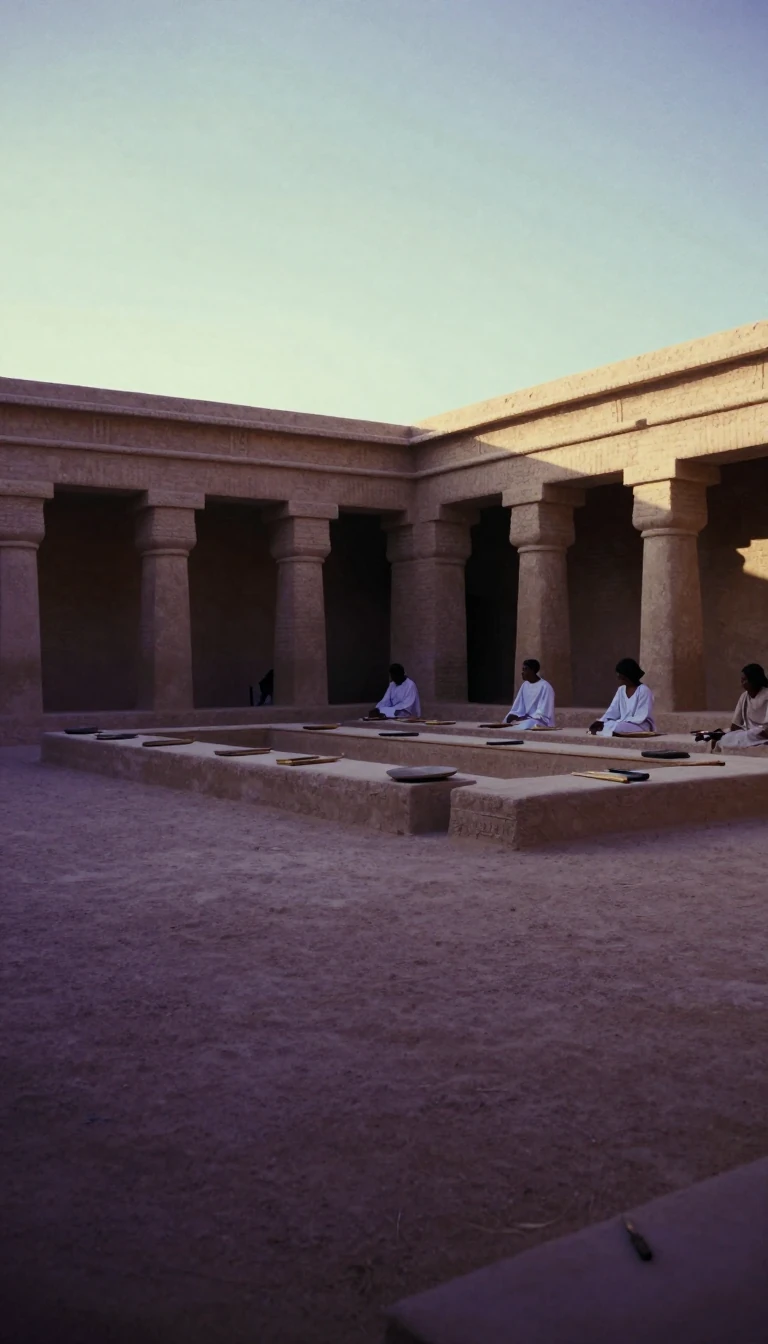
In short: Nana Asma'u, a Fula princess and daughter of the Sokoto Caliphate's founder, revolutionized education in West Africa. By training a mobile cadre of female teachers, she bypassed traditional barriers to literacy, creating a sprawling, enduring sisterhood that empowered women across the Caliphate through poetry, scholarship, and shared Islamic ideals.
Born in 1793 in the remote community of Degel, Nana Asma'u lived through the transformative Fulani War, which established the Sokoto Caliphate. As the daughter of Usman dan Fodio, she was raised in a tradition that viewed the sharing of knowledge as a moral imperative. Educated in four languages—Arabic, Fula, Hausa, and Tamacheq Tuareg—she became a prolific author, producing over 60 surviving works that spanned law, history, and theology.
Her most significant contribution was the creation of the ƴan-taru, or 'sisterhood,' around 1830. She trained a group of female teachers known as jajis, who traveled throughout the Caliphate to educate women in their own homes. To symbolize their authority and connection to the new state, each jaji was bestowed with a malfa, a traditional hat, and a red turban. This network effectively integrated diverse populations, including the poor and rural, into a unified intellectual community.
Asma'u wrote extensively in ʿAjamī scripts, which used Arabic characters to transcribe African languages. This choice was revolutionary, as it allowed Islamic scholarship to transcend the narrow confines of Arabic-literate elites. Her poetry, which included historical narratives and elegies, served as a tool for teaching leadership ethics and social reform. By grounding her work in the Sunnah, she expanded the discourse on women's rights within Islamic law.
Today, her legacy remains a cornerstone of northern Nigerian identity. Her works continue to be translated and studied globally, challenging stereotypes about the role of women in African history. In 2019, the Governor of Sokoto state directed the establishment of the Nana Asma'u University of Medical Sciences, cementing her status as a revered figure whose influence persists well into the twenty-first century.
Opens the Intellect+ feed with this card first. Swipe up for the next one.
Sources
- Summary by Intellect · source: Nana Asmaʼu
To cite this card, link to https://intellectplus.co.uk/app/ideas-nana-asma-u.
How we source, check and correct cards: Editorial standards.
General information, not professional advice. Spotted an error? Flag the card or see corrections and complaints.
Intellect Plus is a visual educational discovery platform for exploring fascinating facts and ideas. Brain Food, Not Brain Rot. What is Intellect Plus?
Related
More in Philosophers · More in Ideas & Philosophy · Latest · A–Z · All topics
