The New Testament Apocrypha reveals the messy, diverse origins of early Christian thought.
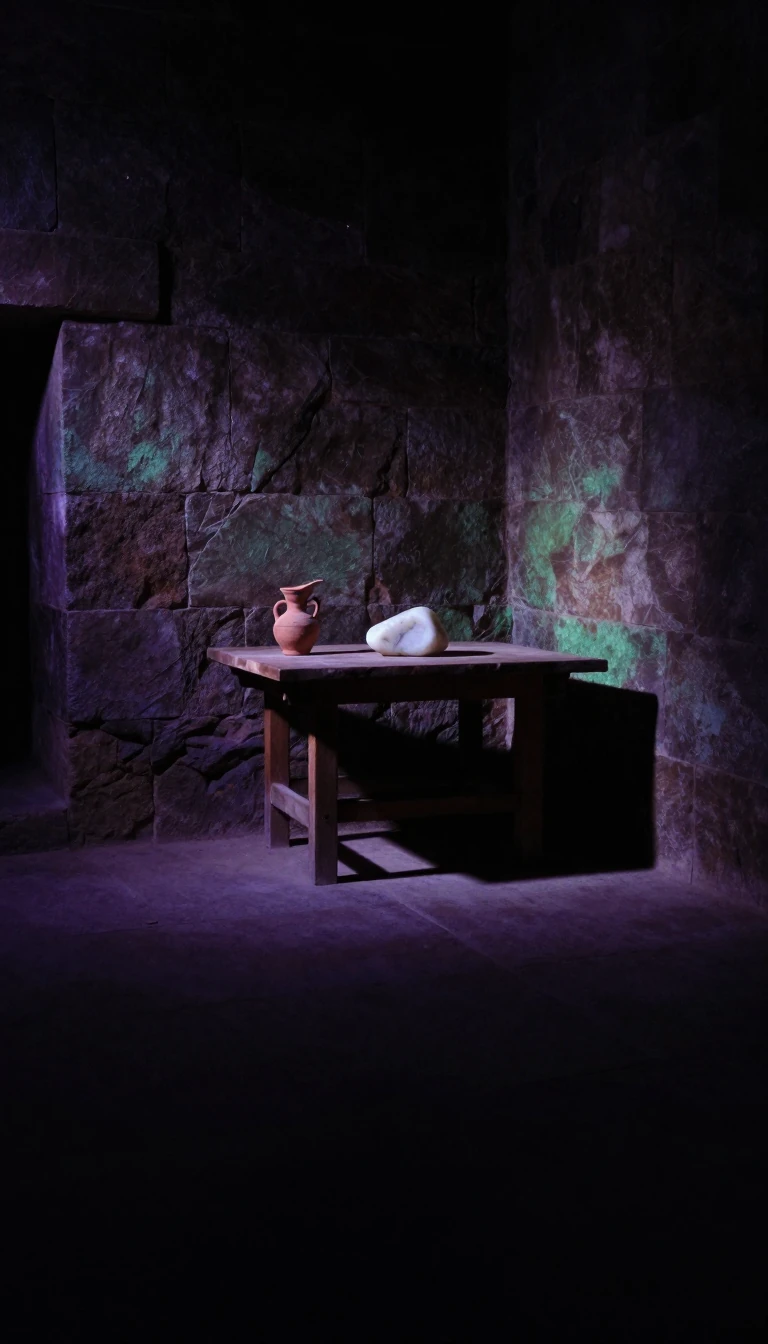
In short: Before the New Testament canon was finalized, a vast array of gospels, acts, and letters circulated among early Christians. Often dismissed as heretical or forged, these writings offer a rare glimpse into the imaginative, semi-orthodox beliefs that church leaders spent centuries pruning to define the boundaries of their faith.
The term apocrypha, meaning secret or hidden, was historically applied to texts that were not publicly read in churches. Unlike the canonical books, these works are almost exclusively pseudepigraphical, written in the names of apostles or disciples to lend authority to their contents. Emerging primarily during the 2nd century, these documents reflect a period when the lines between orthodoxy and heresy remained fluid, allowing for a wide range of popular piety and imaginative storytelling that mirrored the didactic, commentarial style of Jewish Midrash.
Church leaders faced significant challenges in managing these diverse texts. By the 3rd century, both Christian writers and Neoplatonist philosophers were attacking them as spurious or forged. Bishop Serapion of Antioch, for instance, initially permitted the reading of the Gospel of Peter but later withdrew his approval upon discovering its teachings were false. Eusebius, the 4th-century historian, struggled to categorize the circulating literature, eventually labeling many as disputed or rejected. This process of exclusion was essential to the development of systematic theology and the eventual standardization of the 27-book canon.
Today, these fragments are invaluable to historians for the light they cast on gnostic revisions of Christianity and early, non-canonical traditions about Jesus. While most survive only in scattered papyri, their existence confirms that the New Testament was not a static collection but a critical selection. The apocrypha represents the variety of expression from which church authorities forged a unified orthodoxy, effectively pruning away the incoherent or obsolete thought patterns that defined the earliest centuries of the faith.
Opens the Intellect+ feed with this card first. Swipe up for the next one.
Sources
- Summary by Intellect · source: Biblical literature - Apocrypha, Gospels, Epistles | Britannica
- Also: New Testament apocrypha
To cite this card, link to https://intellectplus.co.uk/app/ideas-new-testament-apocrypha.
How we source, check and correct cards: Editorial standards.
General information, not professional advice. Spotted an error? Flag the card or see corrections and complaints.
Intellect Plus is a visual educational discovery platform for exploring fascinating facts and ideas. Brain Food, Not Brain Rot. What is Intellect Plus?
Related
More in Abrahamic religions · More in Ideas & Philosophy · Latest · A–Z · All topics
