Nikolay Lossky: The Philosopher Who Argued That All Reality Is Immanent In All
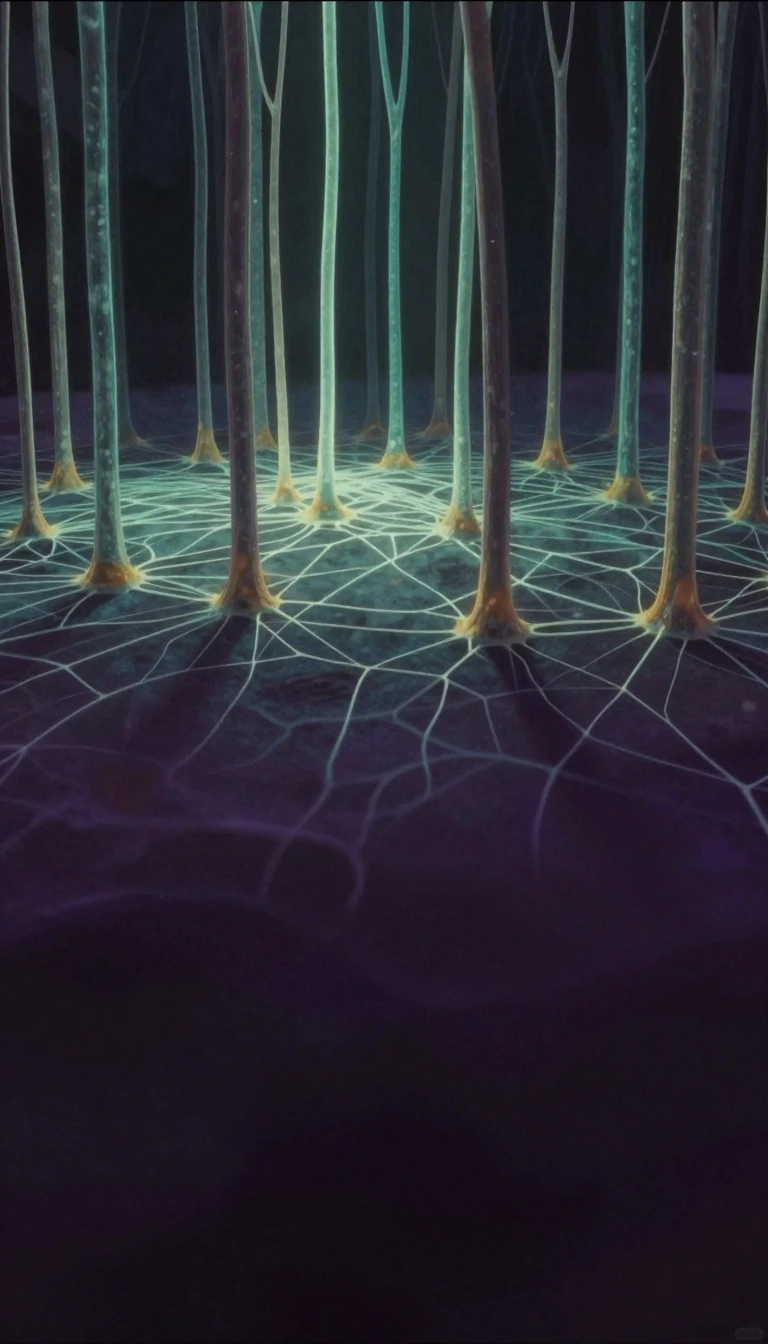
In short: Exiled by the Bolsheviks on a ship of intellectuals, Nikolay Lossky developed a unique system called intuitive-personalism. He argued that human consciousness directly perceives the essence of objects through intuition, rejecting the idea that we are trapped behind a wall of subjective perceptions. Reality, he claimed, is an organic whole.
Born in 1870 in the Russian Empire, Nikolay Lossky became a preeminent neo-idealist who sought to reconcile the divide between the external material world and internal spiritual experience. His philosophical system, intuitive-personalism, posits that human consciousness is not merely a rational processor but a direct participant in reality. Through 'noesis'—or direct insight—the mind bypasses the limitations of logical, discursive thought to apprehend the essence of objects directly. This intuitive grasp allows consciousness to assemble sensory data into a complete, undivided organic whole, which Lossky termed experience.
Central to his ontology is the concept of 'sobornost', a mystical communal union where opposing forces are fused to transcend dichotomies. Lossky argued that because objects possess a supernatural essence—in the sense of being uncreated or uncaused—they cannot be fully expressed through logic or words alone. He introduced the term 'substantive agent' to describe the individual as a bearer of creative power. Unlike deterministic models that view events as mere sequences of causes, Lossky’s libertarian framework suggests that agents create events through their own free, unforced potential.
Lossky’s life was marked by profound upheaval. After being expelled from school for atheism in his youth, a near-fatal elevator accident led him to return to the Russian Orthodox Church. His subsequent criticisms of post-revolutionary excesses in the Soviet Union led to his exile in 1922 on the famous 'Philosophers' ship.' He spent his later years teaching in Prague, New York, and eventually France. His influence reached far beyond his own works, shaping thinkers as diverse as the Objectivist Ayn Rand, who studied under him in Petrograd, and theologian Joseph Papin, who utilized Lossky’s ideas to bridge ecumenical divides between Eastern and Western Christian traditions.
Opens the Intellect+ feed with this card first. Swipe up for the next one.
Sources
- Summary by Intellect · source: Nikolay Lossky
To cite this card, link to https://intellectplus.co.uk/app/ideas-nikolay-lossky.
How we source, check and correct cards: Editorial standards.
General information, not professional advice. Spotted an error? Flag the card or see corrections and complaints.
Intellect Plus is a visual educational discovery platform for exploring fascinating facts and ideas. Brain Food, Not Brain Rot. What is Intellect Plus?
Related
More in Philosophers · More in Ideas & Philosophy · Latest · A–Z · All topics
