Why a 19th-century sonnet about a ruined statue still haunts modern tyrants and artists.
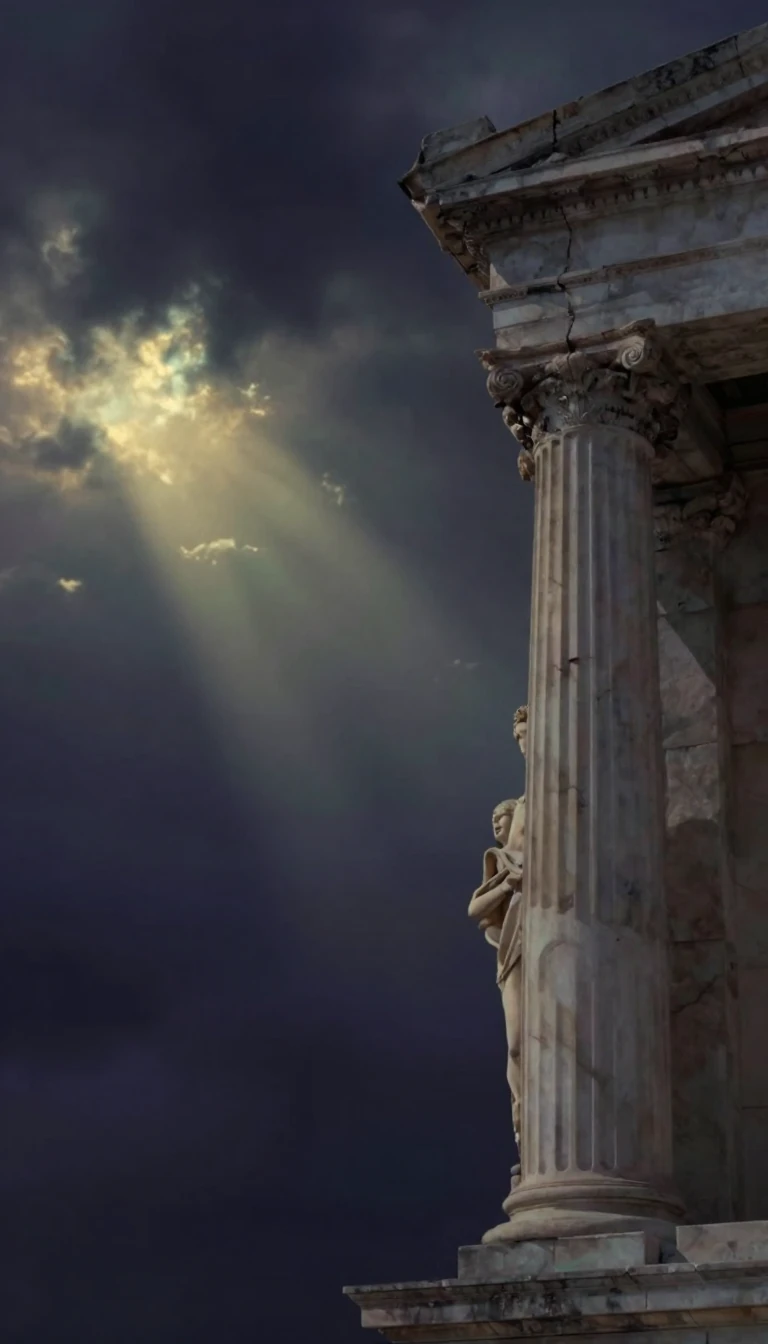
In short: Percy Bysshe Shelley’s Ozymandias remains a definitive meditation on the fragility of power. Born from a friendly literary competition, this brief sonnet captures the inevitable decay of hubris. From 19th-century pharaohs to modern political figures and pop culture icons, the poem serves as a timeless warning against absolute authority.
Written in late 1817 and published in January 1818, Ozymandias emerged from a creative challenge between Shelley and his friend Horace Smith. Both poets drew inspiration from the writings of the Greek historian Diodorus Siculus, who described a massive Egyptian statue of Ramesses II—known to the Greeks as Ozymandias—bearing an inscription that challenged all to outdo his works. While Shelley’s poem replaces the historian with a mysterious traveller from an antique land, the core message remains a stark critique of the ephemeral nature of human dominance.
The poem’s cultural resonance has only expanded over two centuries. Scholars often view it as a biting commentary on the political figures of Shelley’s own era, including Napoleon Bonaparte and the British Prince Regent, George IV. This interpretation has persisted into the 21st century, with the poem frequently invoked to critique modern leaders who mirror the pharaoh’s arrogance. Its reach extends far beyond literature, influencing everything from the naming of a Miocene fossil fish to the dramatic narrative arcs of television series like Breaking Bad.
Beyond its political utility, Ozymandias functions as a masterclass in the aesthetics of ruin. By contrasting the king’s grandiose claims with the lone and level sands that surround his broken monument, Shelley captures the tension between ambition and time. The poem’s enduring popularity, particularly in educational settings, is often attributed to its perceived simplicity and the ease with which it can be memorized. Yet, as its frequent appearances in film, music, and global discourse suggest, the sonnet continues to function as a potent, adaptable symbol for the inevitable collapse of even the most colossal legacies.
Opens the Intellect+ feed with this card first. Swipe up for the next one.
Sources
- Summary by Intellect · source: Ozymandias
To cite this card, link to https://intellectplus.co.uk/app/ideas-ozymandias.
How we source, check and correct cards: Editorial standards.
General information, not professional advice. Spotted an error? Flag the card or see corrections and complaints.
Intellect Plus is a visual educational discovery platform for exploring fascinating facts and ideas. Brain Food, Not Brain Rot. What is Intellect Plus?
Related
More in Writers · More in Ideas & Philosophy · Latest · A–Z · All topics
