Was a Georgian prince the mysterious philosopher behind the works of Pseudo-Dionysius?
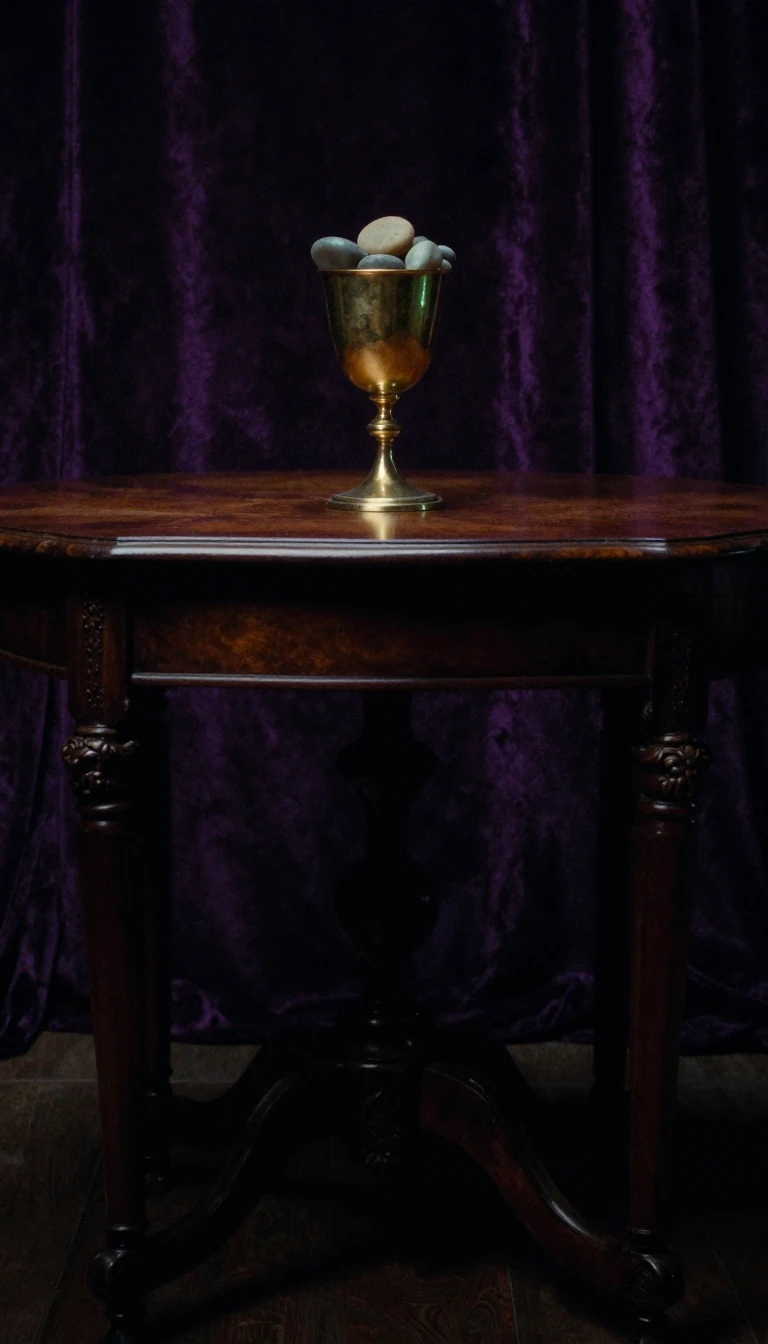
In short: Born a royal prince in the Caucasus, Peter the Iberian abandoned his throne for a life of extreme asceticism in Palestine. Celebrated as a saint and a pillar of orthodoxy, he remains a figure of intense scholarly debate, with some experts identifying him as the elusive author Pseudo-Dionysius the Areopagite.
Born around 417 into the Chosroid dynasty of Iberia, the prince initially named Murvan was sent to Constantinople at age five as a political hostage. Under the patronage of Empress Aelia Eudocia, he received a sophisticated education before abandoning palace life for the monastic path in Jerusalem. Alongside his mentor Mithridates, he adopted the name Peter and eventually founded a monastery near Gaza.
Peter’s life was defined by the volatile religious politics of the fifth century. Consecrated bishop of Maiuma in 452, he was forced into exile in Egypt just six months later due to local political decrees. He spent his later years in Palestine, gaining fame as a holy man and ascetic. Despite his immense influence, none of his own writings have survived under his name, fueling centuries of speculation regarding his true intellectual legacy.
The mystery of his identity persists in modern theology. While some scholars, such as Shalva Nutsubidze and Ernest Honigmann, highlight his role as a foundational figure in Christian Neoplatonism, others debate his Christological stance. His status remains contested: while the Armenian and Coptic Churches view him as Miaphysite, Georgian Orthodox perspectives remain divided. This ambiguity is compounded by the claim that he may be the author known as Pseudo-Dionysius the Areopagite, a theory that continues to intrigue historians of Byzantine thought.
His life is primarily known through the accounts of his disciples, including John Rufus and Zacharias Rhetor. These biographies, preserved in Syriac and Georgian, depict a man who rejected his royal heritage to become a 'second Moses.' Today, he stands as a complex intersection of political history, monastic discipline, and philosophical inquiry, embodying the intellectual ferment of the late antique Mediterranean.
Opens the Intellect+ feed with this card first. Swipe up for the next one.
Sources
- Summary by Intellect · source: Peter the Iberian
To cite this card, link to https://intellectplus.co.uk/app/ideas-peter-the-iberian.
How we source, check and correct cards: Editorial standards.
General information, not professional advice. Spotted an error? Flag the card or see corrections and complaints.
Intellect Plus is a visual educational discovery platform for exploring fascinating facts and ideas. Brain Food, Not Brain Rot. What is Intellect Plus?
Related
More in Philosophers · More in Ideas & Philosophy · Latest · A–Z · All topics
