Why the best way to study history is to re-enact the past in your mind
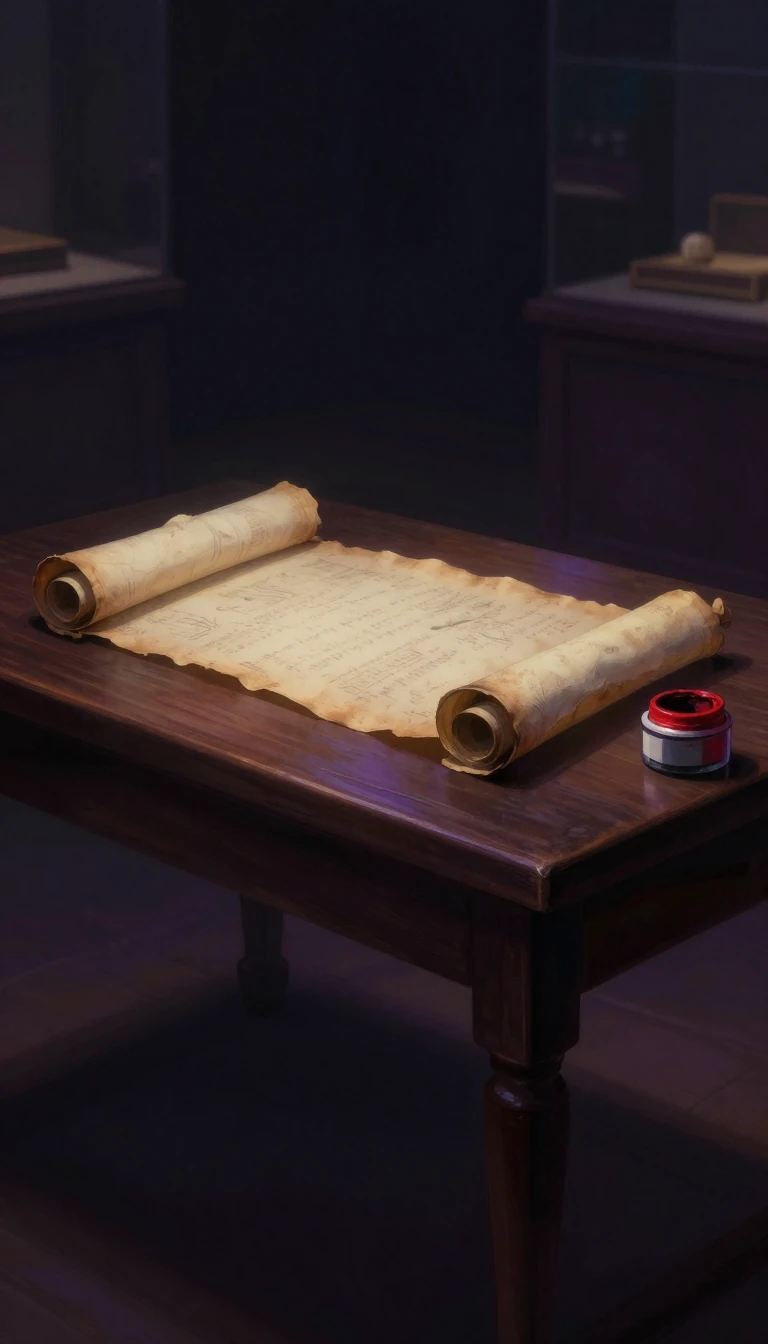
In short: R. G. Collingwood, a philosopher and archaeologist, argued that history is not just a collection of facts but a study of human thought. He believed historians must use their imagination to re-enact the actual thought processes of historical figures, transforming the past from a dead record into a living experience.
Robin George Collingwood (1889–1943) was a polymath who balanced his life between the academic rigors of Oxford philosophy and the physical labor of archaeology. He defined philosophy as 'thought of the second degree'—a reflective process where one thinks about the act of thinking itself. This approach extended to his historical method, where he rejected the 'scissors-and-paste' technique of simply accepting or discarding historical sources based on modern prejudices. Instead, he insisted that every historical document was created by a rational person for a specific purpose, and it is the historian's duty to uncover that context.
Central to his work is the claim that 'All history is the history of thought.' Because past events cannot be directly observed like physical phenomena in natural sciences, Collingwood argued that historians must use 'historical imagination' to reconstruct the motivations of actors. By reasoning through the same problems that historical figures faced, a historian can arrive at the same thought process, effectively re-enacting the past. This methodology was not merely theoretical; it was the foundation of his archaeological practice. He championed 'question-and-answer' archaeology, asserting that no excavation should occur without a specific question to guide the inquiry.
Collingwood’s influence remains significant, though complex. His major work, The Idea of History, published posthumously in 1946, became a cornerstone for the philosophy of history. While his archaeological interpretations—such as his view of Hadrian’s Wall as a sentry walk—have been debated and sometimes challenged, his insistence on linking theory to practice left a lasting mark. Today, his philosophy of archaeology is even embedded in the official conditions for Scheduled Monuments in England, cementing his legacy as a thinker who bridged the gap between the abstract world of ideas and the tangible remnants of human history.
Opens the Intellect+ feed with this card first. Swipe up for the next one.
Sources
- Summary by Intellect · source: R. G. Collingwood
To cite this card, link to https://intellectplus.co.uk/app/ideas-r-g-collingwood.
How we source, check and correct cards: Editorial standards.
General information, not professional advice. Spotted an error? Flag the card or see corrections and complaints.
Intellect Plus is a visual educational discovery platform for exploring fascinating facts and ideas. Brain Food, Not Brain Rot. What is Intellect Plus?
Related
More in Philosophers · More in Ideas & Philosophy · Latest · A–Z · All topics
