Why Akira Kurosawa’s Rashomon changed how we perceive the nature of truth forever
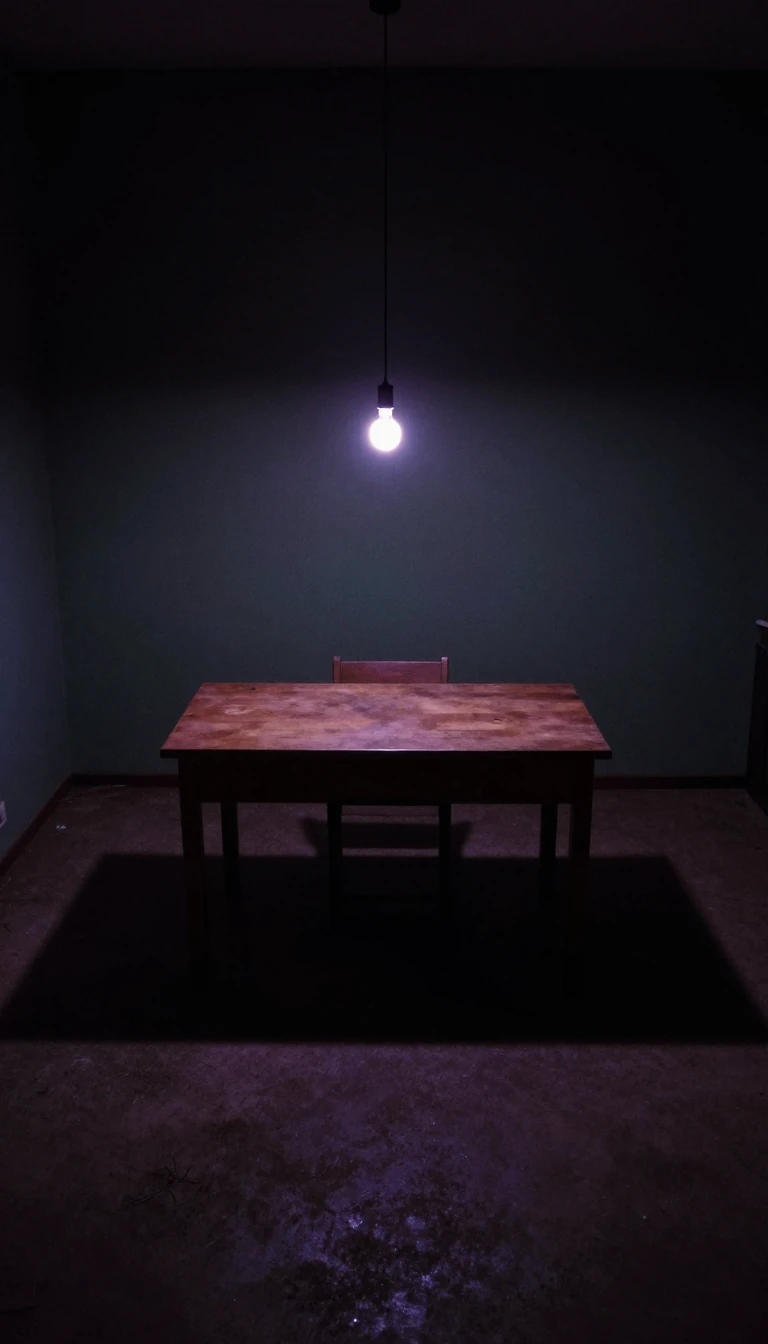
In short: Akira Kurosawa’s 1950 masterpiece Rashomon introduced a narrative device so potent it became a household term. By presenting four contradictory accounts of a single murder, the film forces viewers to confront the subjectivity of memory and the human tendency to lie to preserve one's own ideal self.
The film’s plot, adapted from Ryūnosuke Akutagawa’s stories, centers on a samurai’s death in a forest. Through the testimonies of a bandit, the samurai’s wife, the dead samurai himself via a medium, and a woodcutter, the audience is presented with mutually exclusive versions of the event. Each narrator constructs a narrative that shields their ego or hides their shame, turning the search for objective truth into an exploration of human fallibility.
Production was a gamble. After being rejected by Toho and Daiei, the film was finally greenlit with a modest budget of ¥15–20 million. Kurosawa and cinematographer Kazuo Miyagawa defied industry taboos, famously pointing cameras directly at the sun and using mirrors to bounce light into the forest. These experimental techniques, combined with a rapid-fire editing style featuring 407 shots, created a visual language that felt entirely new to international audiences.
While Japanese critics were initially divided—some dismissing the film as too Western or merely exotic—its victory at the 1951 Venice Film Festival changed everything. It became the first Japanese film to achieve significant global acclaim, winning the Golden Lion and later an Academy Award. The 'Rashomon effect' has since become a standard trope, yet Kurosawa maintained that his goal was not to reveal a hidden truth, but to capture the complexity of multiple, competing realities.
Beyond its narrative innovation, the film serves as a window into post-war Japan. Some scholars interpret its themes of broken faith and moral ambiguity as an allegory for the nation’s defeat in World War II. By setting the story in the distant Heian era, Kurosawa was able to bypass occupation-era censorship, reasserting domestic control over cinema while crafting a timeless meditation on why we lie to ourselves.
Opens the Intellect+ feed with this card first. Swipe up for the next one.
Sources
- Summary by Intellect · source: Rashomon
To cite this card, link to https://intellectplus.co.uk/app/ideas-rashomon.
How we source, check and correct cards: Editorial standards.
General information, not professional advice. Spotted an error? Flag the card or see corrections and complaints.
Intellect Plus is a visual educational discovery platform for exploring fascinating facts and ideas. Brain Food, Not Brain Rot. What is Intellect Plus?
Related
More in Writers · More in Ideas & Philosophy · Latest · A–Z · All topics
