Why your brain invents logical reasons for actions you didn't actually choose
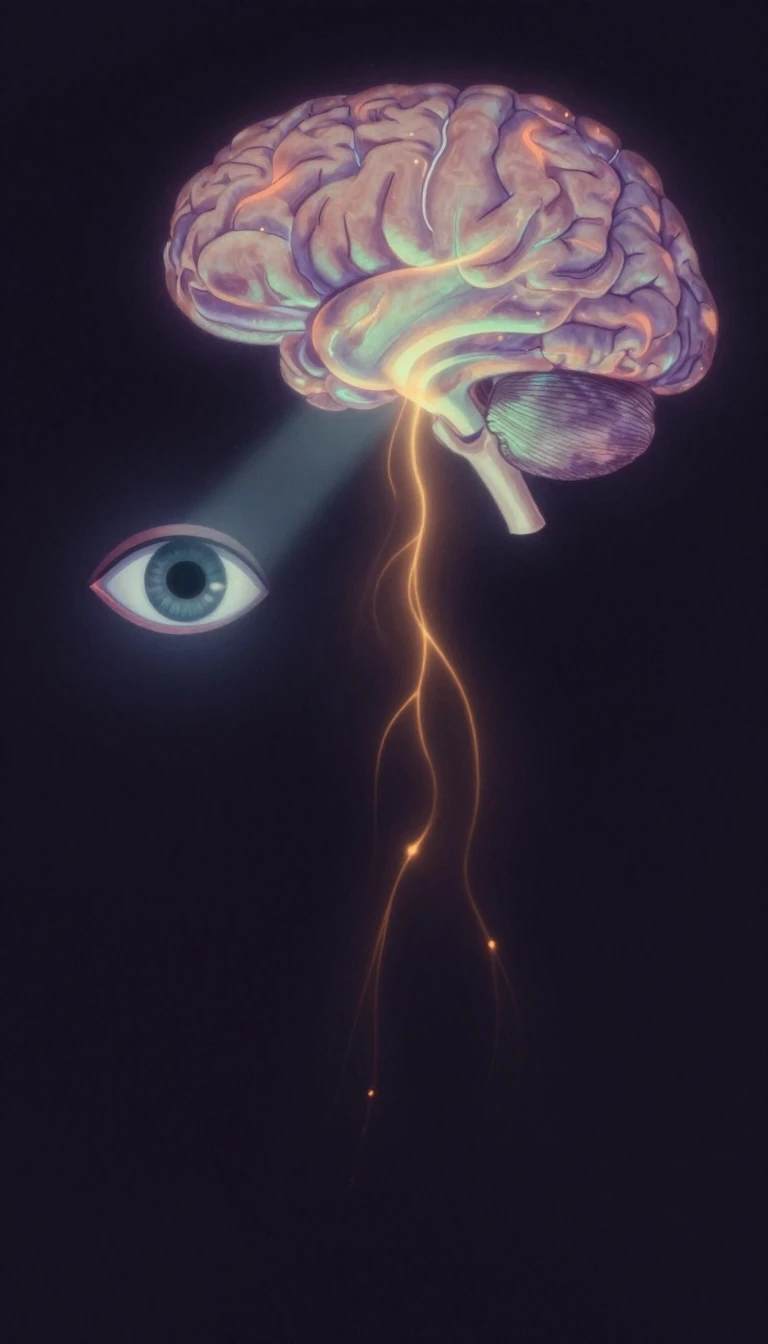
In short: We often act on unconscious impulses, only to construct a plausible, logical story after the fact. This defense mechanism, known as rationalization, protects our self-respect and shields us from guilt. It is a sophisticated form of self-deception that makes us believe we are far more rational than we truly are.
Rationalization functions as an ego defense mechanism, allowing individuals to justify behaviors driven by unconscious instincts. By crafting a seemingly logical explanation after an action has already occurred, people can avoid feelings of shame or criticism. This process can be fully conscious, such as when one defends against ridicule, or largely unconscious, serving as a psychological buffer against internal guilt. The term was introduced to psychoanalysis in 1908 by Ernest Jones and quickly adopted by Sigmund Freud to explain how patients rationalized their neurotic symptoms.
The mechanism often involves ad hoc hypothesizing or what classical rhetoricians called 'color'—presenting an action in the most favorable light. In 1957, Leon Festinger noted that rationalization helps resolve the psychological discomfort caused by inconsistent thoughts. For instance, a person who resumes smoking may convince themselves that the health risks are overstated to align their beliefs with their behavior. Modern research, such as the 2018 'Amoralizations Alarm Clock' model by Muel Kaptein and Martien van Helvoort, suggests these justifications are crucial for understanding the persistence of deviant or unethical behavior.
The impact of rationalization extends into professional and societal spheres. In medicine, John Banja observed that practitioners often use rationalizations to deflect blame for errors, such as claiming a patient was already terminal or that disclosure would only cause unnecessary distress. On a larger scale, collective rationalizations are used to justify aggression by exalting one's own group while demonizing the 'enemy.' While some psychoanalysts view rationalization as a potential stepping stone toward maturity, others argue it is destructive, as it splits thought from feeling and undermines the capacity for genuine reason.
Opens the Intellect+ feed with this card first. Swipe up for the next one.
Sources
- Summary by Intellect · source: Rationalization (psychology)
To cite this card, link to https://intellectplus.co.uk/app/ideas-rationalization-psychology.
How we source, check and correct cards: Editorial standards.
General information, not professional advice. Spotted an error? Flag the card or see corrections and complaints.
Intellect Plus is a visual educational discovery platform for exploring fascinating facts and ideas. Brain Food, Not Brain Rot. What is Intellect Plus?
Related
More in Psychology · More in Ideas & Philosophy · Latest · A–Z · All topics
