Why do we keep retelling the same stories through the lens of new technology?
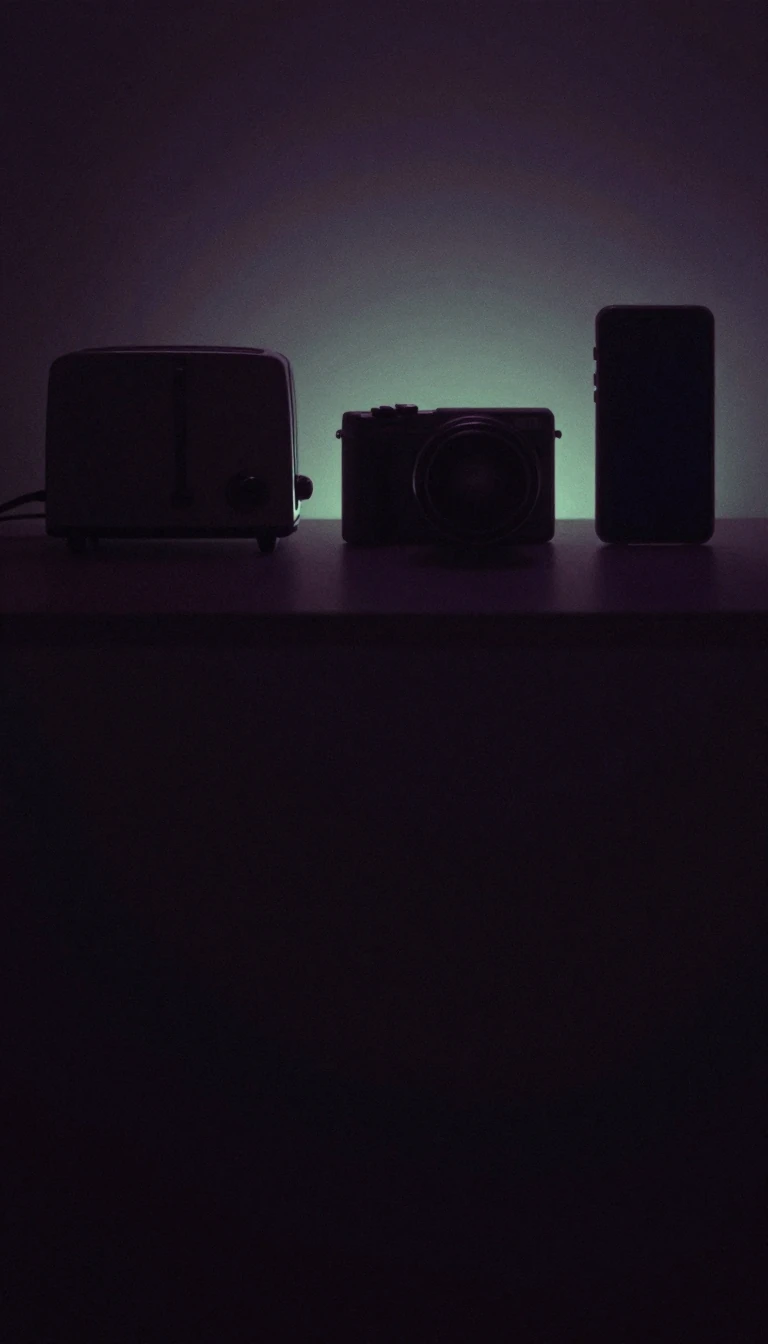
In short: A remake is more than just a recycled script. By updating narratives for modern audiences, creators leverage new technology and shifting cultural contexts to breathe fresh life into old stories. From shot-for-shot recreations to radical genre shifts, the art of the remake reveals how we constantly redefine our shared cultural heritage.
At its core, a remake retells the story of an earlier production within the same medium. While often confused with reboots or reimaginings—which imply greater deviations—a true remake maintains the original narrative framework while updating the cast, setting, or technical execution. This process allows creators to utilize advancements in technology that were unavailable during the original production, effectively modernizing the experience for a new generation.
The creative range of remakes is vast. Some, like Gus Van Sant’s 1998 version of Psycho, strive for a shot-for-shot fidelity to the original. Others take significant liberties. For instance, the 1983 version of Scarface shifted the focus from the illegal alcohol trade of the 1932 original to the world of cocaine smuggling. Similarly, the 1999 remake of The Thomas Crown Affair swapped a bank robbery for a high-stakes art heist, demonstrating how genre and plot can be adapted to suit contemporary tastes.
Interestingly, the same director sometimes revisits their own work, often to transition from black-and-white to color or to refine the original vision. Hitchcock famously remade his 1934 film The Man Who Knew Too Much in 1956, while Cecil B. DeMille updated his 1923 silent epic, The Ten Commandments, in 1956. In the realm of video games, titles like 2019’s Resident Evil 2 and 2020’s Final Fantasy VII Remake have pushed the boundaries of what constitutes a remake, incorporating gameplay overhauls that challenge traditional definitions.
The practice is global, with many successful films emerging from foreign-language adaptations, such as the American version of the Hong Kong film Infernal Affairs, titled The Departed. Television also sees frequent cross-market remakes, particularly between the United Kingdom and the United States, as seen with The Office. Ultimately, the remake serves as a bridge between eras, proving that while stories may be static, our methods of telling them are in constant evolution.
Opens the Intellect+ feed with this card first. Swipe up for the next one.
Sources
- Summary by Intellect · source: Remake
To cite this card, link to https://intellectplus.co.uk/app/ideas-remake.
How we source, check and correct cards: Editorial standards.
General information, not professional advice. Spotted an error? Flag the card or see corrections and complaints.
Intellect Plus is a visual educational discovery platform for exploring fascinating facts and ideas. Brain Food, Not Brain Rot. What is Intellect Plus?
Related
More in Philosophy · More in Ideas & Philosophy · Latest · A–Z · All topics
