Is the actor a creative artist or merely a vessel for the playwright's words?
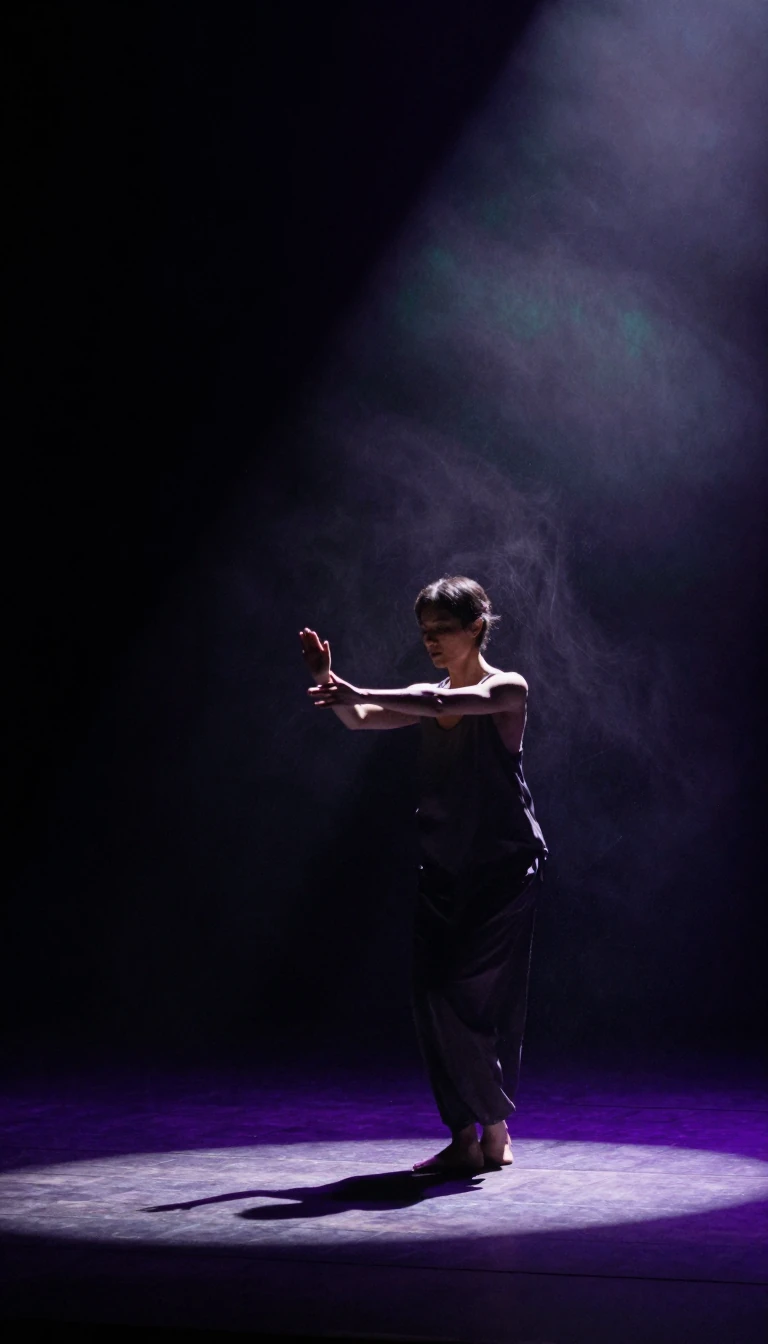
In short: The Royal Academy of Dramatic Art, established in 1904, remains the gold standard for acting training. Yet, the very nature of the craft it teaches remains a subject of intense debate. Is acting a creative act, or is the performer simply an interpreter carving statues out of snow?
Founded by actor-manager Sir Herbert Beerbohm Tree in 1904, the Royal Academy of Dramatic Art (RADA) has long served as the benchmark for vocational acting education. Located in London's Bloomsbury district, the institution has evolved from its origins at Her Majesty's Theatre into a modern conservatoire. Its history is deeply intertwined with figures like George Bernard Shaw, who famously donated royalties from Pygmalion to support the school, and Sir John Gielgud, who studied there in 1923 before later serving as its president.
The fundamental challenge facing RADA and its students is the elusive nature of acting itself. As the 18th-century critic Gotthold Ephraim Lessing noted, the world has long had actors but lacked a formal art of acting. Unlike music or literature, which leave behind permanent masterpieces, an actor's work is ephemeral. This has led to a persistent philosophical tension: is the actor a creative artist, or merely a technician following a script? Some argue that because the dramatist provides the text, the actor is strictly interpretive. Others, however, contend that the actor's process—using their own body and mind as both instrument and player—is a distinct creative achievement.
Training at RADA addresses this by focusing on the 'twin requisites' of sensibility and intelligence. As defined by François-Joseph Talma, sensibility allows the actor to embody the character's emotions, while intelligence provides the structure to convey those intentions to an audience. This requires the actor to master the living organism of the human being—mental, physical, and emotional. By treating acting as a creative medium rather than mere imitation, the academy seeks to move beyond simple mimicry, training performers to react to imaginary stimuli with the same depth as a composer interpreting a poem.
Opens the Intellect+ feed with this card first. Swipe up for the next one.
Sources
- Summary by Intellect · source: Royal Academy of Dramatic Art (RADA) | Britannica
- Also: Royal Academy of Dramatic Art
To cite this card, link to https://intellectplus.co.uk/app/ideas-royal-academy-of-dramatic-art.
How we source, check and correct cards: Editorial standards.
General information, not professional advice. Spotted an error? Flag the card or see corrections and complaints.
Intellect Plus is a visual educational discovery platform for exploring fascinating facts and ideas. Brain Food, Not Brain Rot. What is Intellect Plus?
Related
More in Writers · More in Ideas & Philosophy · Latest · A–Z · All topics
