How a medieval monastic chant became a global cultural and religious phenomenon
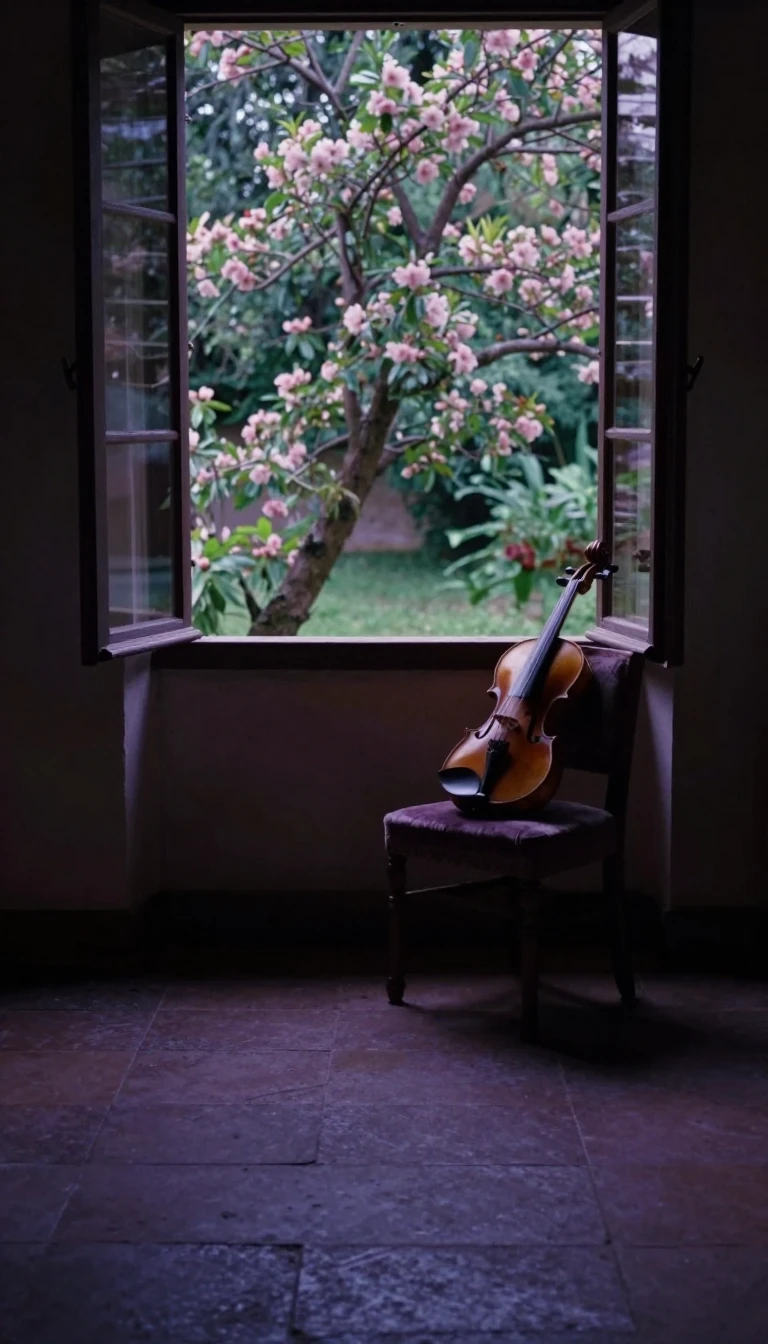
In short: The Salve Regina, or Hail Holy Queen, is one of the most enduring Marian antiphons in Christian history. From its origins in the Middle Ages to its presence in modern cinema and musicals, this simple prayer has evolved from a monastic procession into a cornerstone of Catholic devotion and Western music.
The Salve Regina, meaning Hail Queen, emerged during the Middle Ages as a processional hymn. While often attributed to figures like Hermann of Reichenau or Bernard of Clairvaux, most musicologists consider the work anonymous. Its current form was largely established at the Abbey of Cluny in the 12th century. By the 13th century, the Dominican friars were instrumental in spreading the practice of singing it nightly at Compline, the final office of the day. This tradition likely began as a way for monks to chant while walking from the chapel to their sleeping quarters.
The hymn's influence expanded far beyond the monastery walls. It became a staple of medieval university life and a ritual for blessing ships, holding a special place in the hearts of sailors. Over the centuries, its liturgical role grew; Pope Gregory IX introduced it to the Roman diocese, and Pope Leo XIII later added it to the prayers said after Low Mass. The text has remained remarkably stable, though minor additions occurred, such as the word Virgo in the 13th century and Mater in the 16th century.
Beyond the liturgy, the Salve Regina has inspired centuries of artistic output. Composers ranging from Palestrina and Vivaldi to Liszt and Arvo Pärt have created musical settings of the text. Its cultural reach extends to the 1992 film Sister Act, where it is famously reimagined, and the 1976 musical Evita, which incorporates its opening lines. Today, the hymn remains a vital part of Catholic life, serving as the final prayer of the Rosary and a traditional conclusion to a priest's funeral Mass, proving its lasting resonance across both sacred and secular spheres.
Opens the Intellect+ feed with this card first. Swipe up for the next one.
Sources
- Summary by Intellect · source: Salve Regina
To cite this card, link to https://intellectplus.co.uk/app/ideas-salve-regina.
How we source, check and correct cards: Editorial standards.
General information, not professional advice. Spotted an error? Flag the card or see corrections and complaints.
Intellect Plus is a visual educational discovery platform for exploring fascinating facts and ideas. Brain Food, Not Brain Rot. What is Intellect Plus?
Related
More in Religious figures · More in Ideas & Philosophy · Latest · A–Z · All topics
