How a printer who feared reading became the father of the modern English novel.
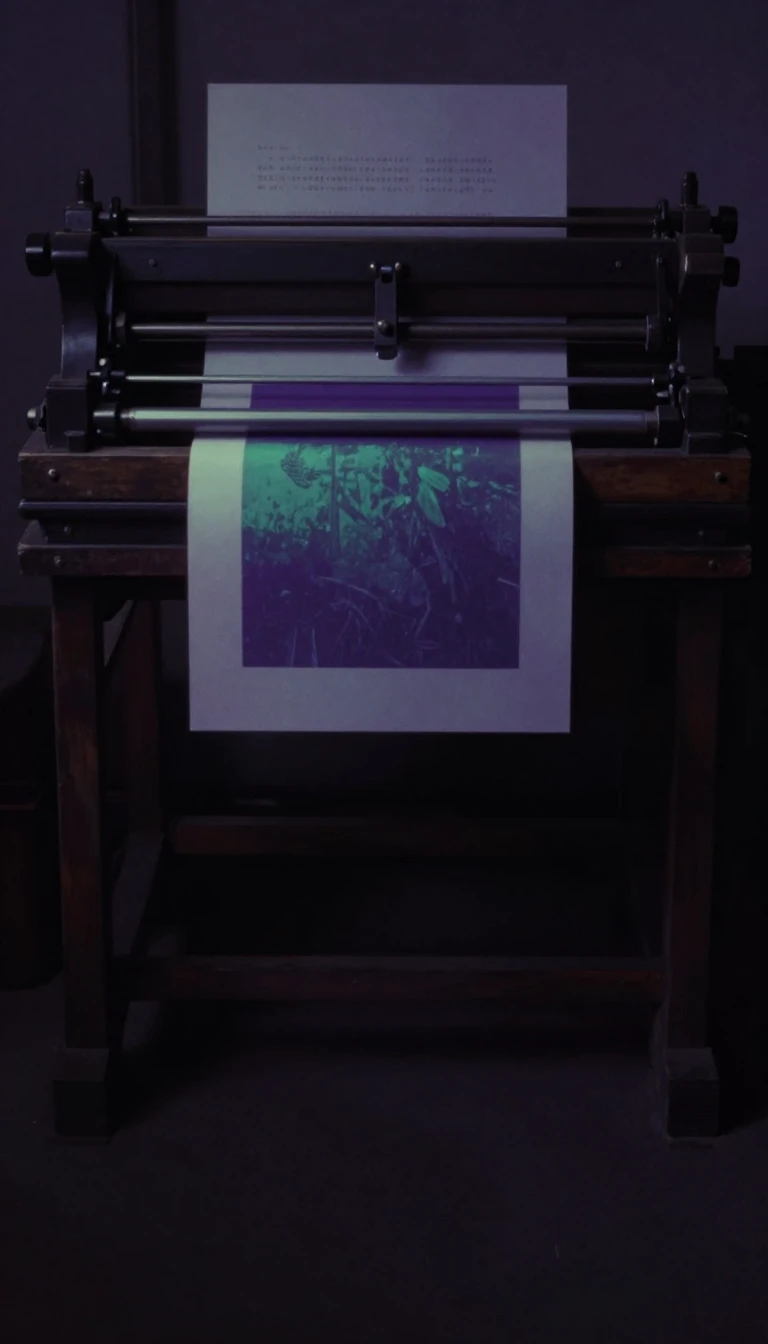
In short: Samuel Richardson did not set out to be a literary giant. A printer by trade, he viewed his work as a tool for moral instruction. Yet, his attempt to write a simple guide for young women accidentally birthed the epistolary novel, forever changing how we experience characters on the page.
Born around 1689, Samuel Richardson grew up in modest circumstances, eventually apprenticing as a printer in London. His career was defined by a tension between his professional life as a master printer and his private creative impulses. By 1719, he had established his own shop near Fleet Street, where he printed everything from political papers to the Journals of the House of Commons. Despite his later success as a writer, he famously claimed to have selected printing specifically to satisfy a thirst for reading that he later disclaimed, preferring the practical, moralizing tone of his own manuals, such as The Apprentice's Vade Mecum.
His transition to fiction was entirely unplanned. In 1739, while working on a collection of model letters for country readers, he was struck by the idea of a story told through correspondence. The result was Pamela; or, Virtue Rewarded (1740), a massive success that introduced a new, intimate style of storytelling. Richardson believed he was promoting virtue, but his focus on the inner lives of his heroines—and his refusal to provide the conventional happy endings demanded by critics like Henry Fielding—sparked intense public debate. His masterpiece, Clarissa (1748), further cemented this reputation, as he insisted on maintaining the integrity of his characters even when readers begged for a reformed villain or a more cheerful conclusion.
Richardson’s process was as meticulous as his printing work. He struggled with the length of his manuscripts, often caught between his own diffidence and the advice of friends like Aaron Hill, who argued that his verbosity was a virtue that conveyed the reality of his characters. By the time he published his final major work, The History of Sir Charles Grandison, in 1753, he had moved far beyond his early days as a secretary for young women in his neighborhood. Though he suffered from poor health and nervous disorders, he remained a central figure in the literary circles of his time, corresponding with figures like Samuel Johnson and Sarah Fielding, and leaving a legacy that defined the 18th-century novel.
Opens the Intellect+ feed with this card first. Swipe up for the next one.
Sources
- Summary by Intellect · source: Samuel Richardson
To cite this card, link to https://intellectplus.co.uk/app/ideas-samuel-richardson.
How we source, check and correct cards: Editorial standards.
General information, not professional advice. Spotted an error? Flag the card or see corrections and complaints.
Intellect Plus is a visual educational discovery platform for exploring fascinating facts and ideas. Brain Food, Not Brain Rot. What is Intellect Plus?
Related
More in Writers · More in Ideas & Philosophy · Latest · A–Z · All topics
