Why some traditionalist Catholics believe the Holy See has been vacant since 1958.
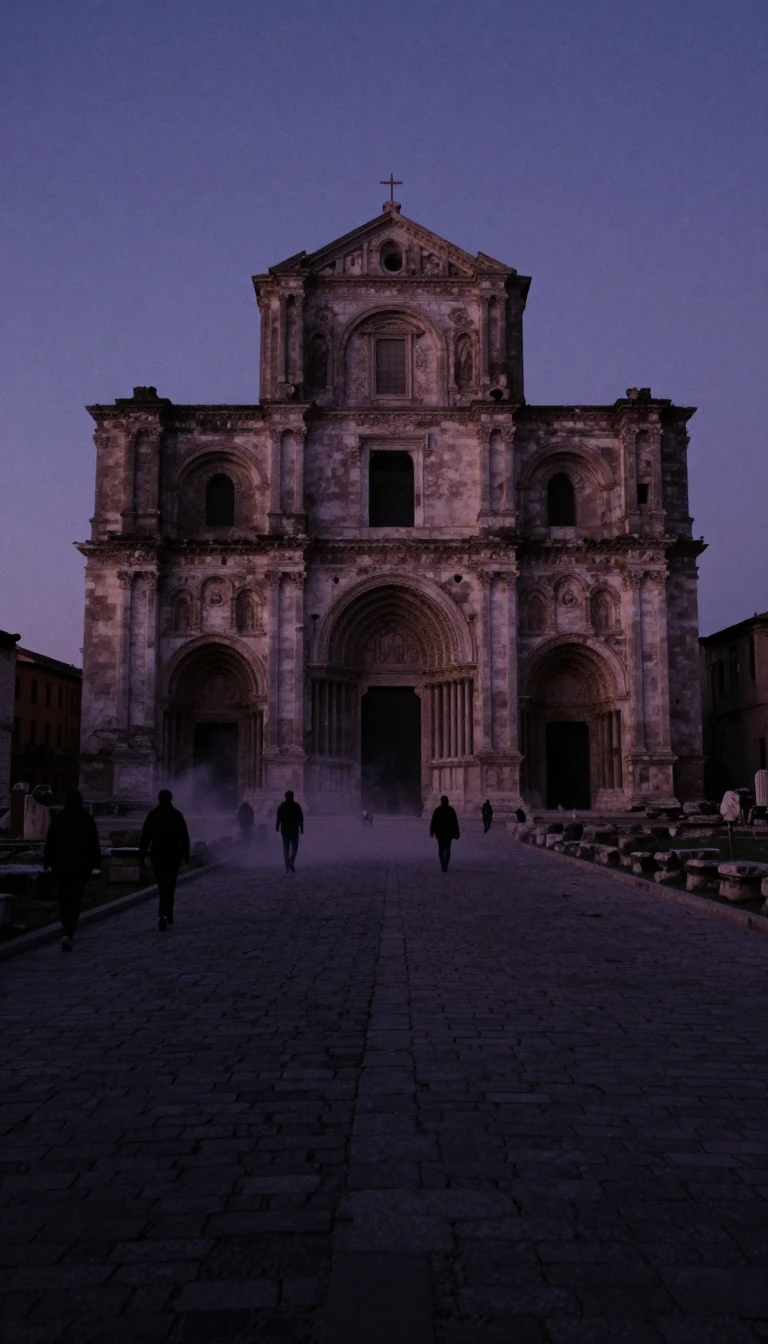
In short: Sedevacantism is a movement claiming that modern popes are illegitimate heretics who forfeited their authority through the reforms of the Second Vatican Council. Believing the chair of Saint Peter is empty, these traditionalists reject post-1958 leadership, leading some to even elect their own rival popes in a fractured, decentralized movement.
The term sedevacantism stems from the Latin phrase sede vacante, meaning the chair is vacant. While this phrase traditionally describes the interim period between a pope's death and the election of his successor, sedevacantists apply it to the entire post-Second Vatican Council era. They argue that the theological and disciplinary changes implemented between 1962 and 1965—particularly regarding ecumenism and the 1969 introduction of the New Order of Mass—contradict historical Catholic teachings. Because they view these changes as blasphemous or heretical, they conclude that the men occupying the Vatican are not true popes.
The movement's intellectual foundations were largely laid in the 1970s by Mexican Jesuit priest Joaquín Sáenz y Arriaga, who argued in his 1973 work that Paul VI was an illegitimate antipope. This thesis relies heavily on the writings of Saint Robert Bellarmine, who suggested that a pope who becomes a manifest heretic automatically ceases to be the head of the Church. Consequently, sedevacantists believe that no formal judicial process is required to remove such a leader, as they have already tacitly resigned their office by consenting to heresy.
The movement is highly fragmented, with estimates of its global following ranging from tens of thousands to hundreds of thousands. Because they lack a unified organization, internal disputes are common, such as the controversy over whether it is a mortal sin to attend 'una cum' Masses, where the priest names the current pope during the liturgy. Furthermore, the movement faces a significant crisis of authority: without a universally recognized pope or a clear mechanism to elect one, some factions have turned to 'conclavism,' electing their own leaders, while others follow bishops whose lineages trace back to the Vietnamese Archbishop Ngô Đình Thục, the only pre-conciliar bishop to publicly embrace the position.
The movement remains deeply divided, with some adherents adopting 'sedeprivationism'—the belief that post-conciliar claimants are popes 'materially but not formally'—while others continue to debate whether the 'Great Apostasy' began with the death of Pius XII in 1958 or even earlier in 1914. This lack of consensus, combined with the difficulty of identifying a legitimate authority to judge the papacy, has kept sedevacantism a marginal and contentious phenomenon within the broader traditionalist Catholic landscape.
Opens the Intellect+ feed with this card first. Swipe up for the next one.
Sources
- Summary by Intellect · source: Sedevacantism
To cite this card, link to https://intellectplus.co.uk/app/ideas-sedevacantism.
How we source, check and correct cards: Editorial standards.
General information, not professional advice. Spotted an error? Flag the card or see corrections and complaints.
Intellect Plus is a visual educational discovery platform for exploring fascinating facts and ideas. Brain Food, Not Brain Rot. What is Intellect Plus?
Related
More in Abrahamic religions · More in Ideas & Philosophy · Latest · A–Z · All topics
