Are humans the masters of the Earth or its divinely appointed caretakers?
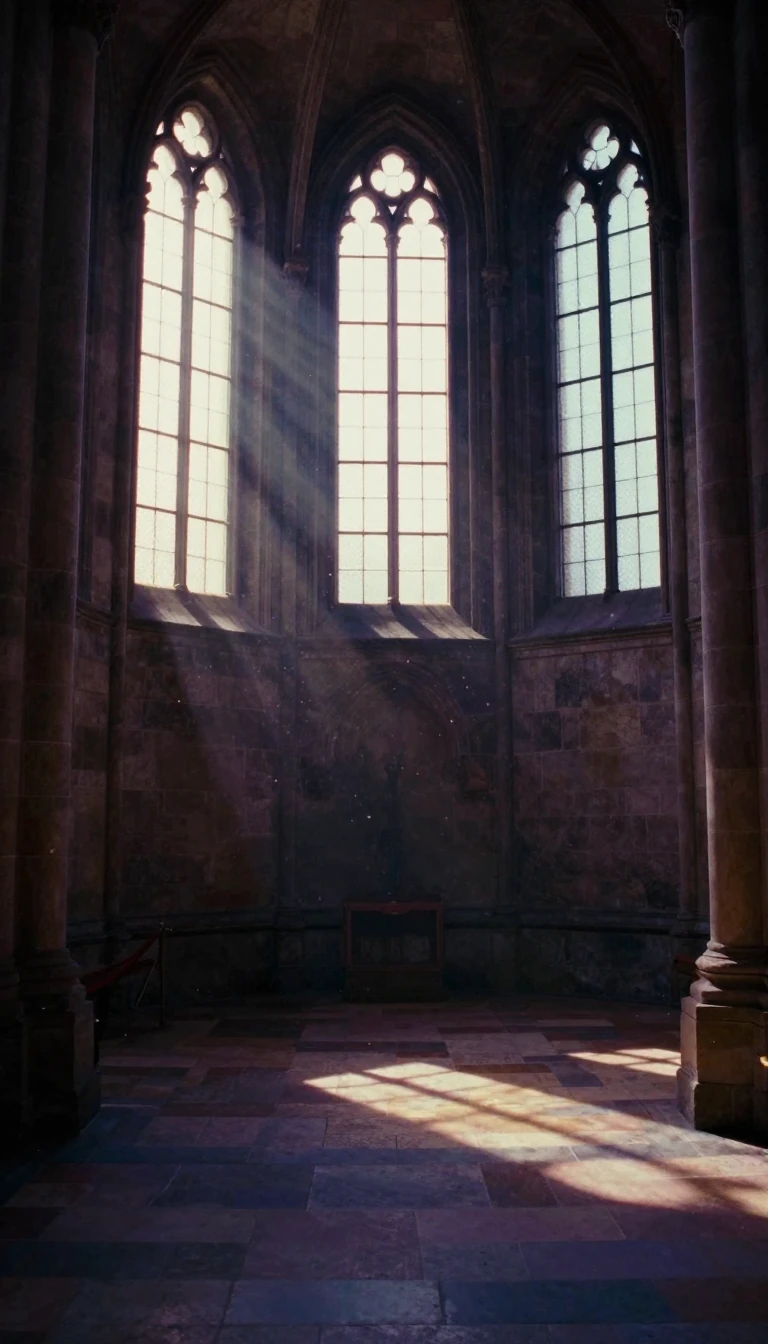
In short: Stewardship is the theological belief that humans are entrusted by a higher power to manage the world and its resources. While historically focused on the financial maintenance of religious institutions, this concept has evolved into a powerful framework for modern environmentalism, shaping how believers view their responsibility toward the planet.
At its core, stewardship posits that everything a person possesses—time, talent, and wealth—is a gift from God. In Abrahamic traditions, this manifests as a duty to manage these resources for the service of the divine. In Christianity, this often involves the practice of tithing, a concept rooted in Jewish law where a portion of one's produce or livestock was sacrificed to support the temple. Biblical narratives, such as the widow's mite, emphasize that the value of this contribution is measured by the giver's sacrifice rather than the absolute amount provided.
The theological interpretation of stewardship has shifted significantly in recent decades, particularly in response to climate change. Many liberal mainline denominations and progressive groups within Roman Catholicism, Orthodoxy, and Evangelicalism now define stewardship as the sustainable management of natural resources. This perspective often draws on the book of Genesis and the Psalms to justify a role of human responsibility. Some modern thinkers, like Neil Paul Cummins, argue that humanity’s unique capacity for technology grants us a special duty to protect life from extinction, framing this as a contemporary interpretation of the Noahic narrative.
However, the concept is not monolithic. While Western Christian traditions often lean toward anthropocentrism—the idea that humans are specially chosen to hold dominion over the Earth—other perspectives exist. Some indigenous groups, such as the Anishinaabe, reject this hierarchy, viewing humans as an integrated part of the ecology rather than its masters. Similarly, Jewish traditions like Tu Bishvat, the New Year of the Trees, offer a framework for environmental engagement that balances human needs with the sanctity of nature. Ultimately, stewardship remains a dynamic and contested concept, reflecting the diverse ways different faiths navigate the tension between human agency and divine creation.
Opens the Intellect+ feed with this card first. Swipe up for the next one.
Sources
- Summary by Intellect · source: Stewardship (theology)
To cite this card, link to https://intellectplus.co.uk/app/ideas-stewardship-theology.
How we source, check and correct cards: Editorial standards.
General information, not professional advice. Spotted an error? Flag the card or see corrections and complaints.
Intellect Plus is a visual educational discovery platform for exploring fascinating facts and ideas. Brain Food, Not Brain Rot. What is Intellect Plus?
Related
More in Abrahamic religions · More in Ideas & Philosophy · Latest · A–Z · All topics
