The ancient Chinese physician who sought immortality through chemistry and compassion
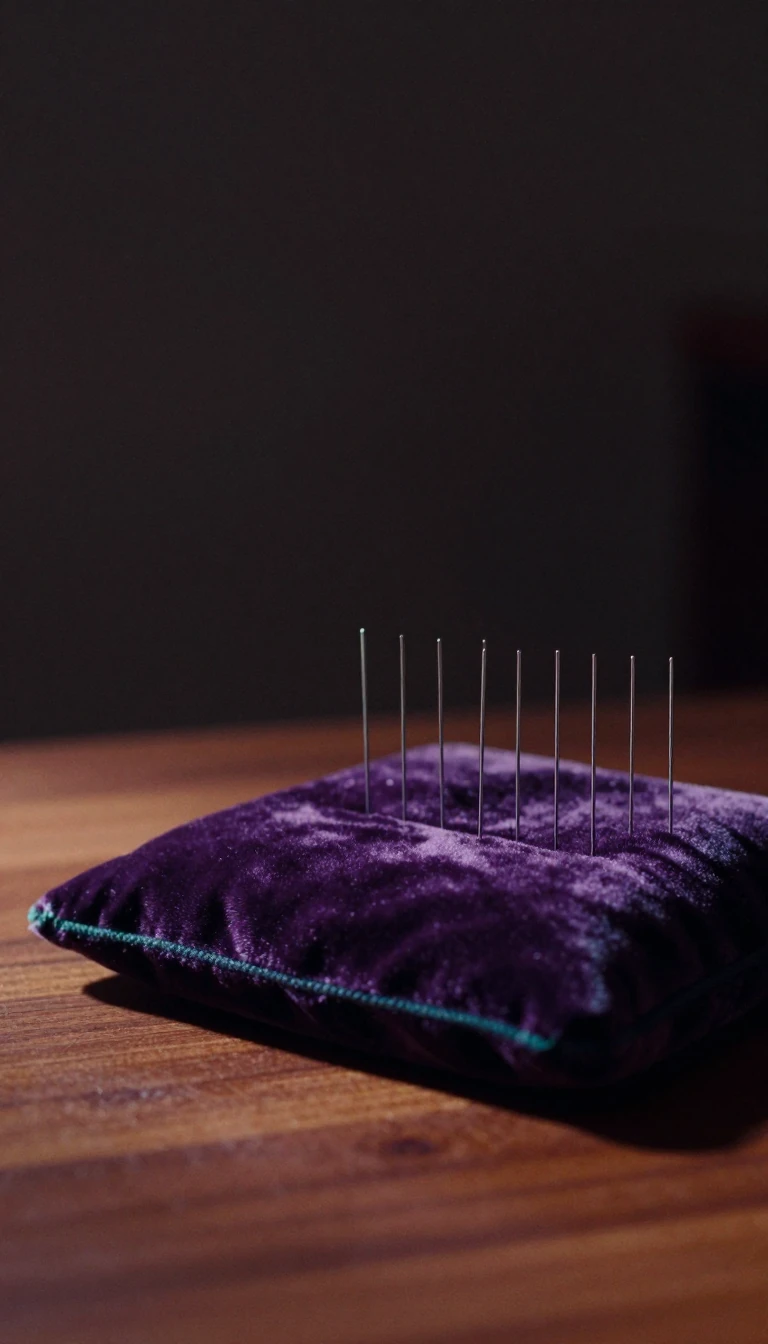
In short: Sun Simiao, known as China's King of Medicine, bridged the gap between rigorous clinical practice and mystical alchemy. While he authored foundational medical texts that remain required reading today, he also spent his life as a hermit-scholar, blending Daoist and Buddhist traditions to redefine the ethics of healing.
Born in 581 and living until 682, Sun Simiao was a towering figure of the Sui and Tang dynasties. His literary legacy is anchored by two monumental works, Beiji qianjin yaofang and Qian Jin Yi Fang, which together cataloged over 7,000 medical recipes. These texts served as a comprehensive summary of pre-Tang medical knowledge, effectively standardizing clinical practice for generations. Beyond his pharmacological contributions, Sun championed a holistic approach to wellness, advocating for daily physical habits like head-shaking and eye-rolling to maintain vitality.
Sun’s influence extends into the ethical domain through his treatise, 'On the Absolute Sincerity of Great Physicians.' Often compared to the Hippocratic Oath, this text demands that practitioners treat all patients with absolute equality, regardless of their social status, wealth, or background. This egalitarian philosophy remains a cornerstone of medical education in China. His intellectual curiosity was equally broad; as a 'Buddho-Daoist,' he helped introduce the Avatamsaka sect of Buddhism to the imperial court, serving as a spiritual advisor to Emperor Gaozong and Empress Wu.
Perhaps most intriguing is Sun’s dual life as an alchemist. His work, Danjing yaojue, is described by scholars as a precursor to the modern laboratory handbook, featuring precise instructions for chemical preparation and the use of specialized sealing materials. Sun was deeply committed to the pursuit of immortality through external alchemy. Ironically, historical accounts suggest that his extensive ingestion of mercury—a key ingredient in his quest for the perfect elixir—may have preserved his body after death, a testament to the literal, if unintended, consequences of his scientific experiments.
Opens the Intellect+ feed with this card first. Swipe up for the next one.
Sources
- Summary by Intellect · source: Sun Simiao
- Also: www.birmingham.ac.uk — Dr Simiao Sun
To cite this card, link to https://intellectplus.co.uk/app/ideas-sun-simiao.
How we source, check and correct cards: Editorial standards.
General information, not professional advice. Spotted an error? Flag the card or see corrections and complaints.
Intellect Plus is a visual educational discovery platform for exploring fascinating facts and ideas. Brain Food, Not Brain Rot. What is Intellect Plus?
Related
More in Philosophers · More in Ideas & Philosophy · Latest · A–Z · All topics
