Tariqa: The ancient Islamic path to direct, mystical knowledge of the divine
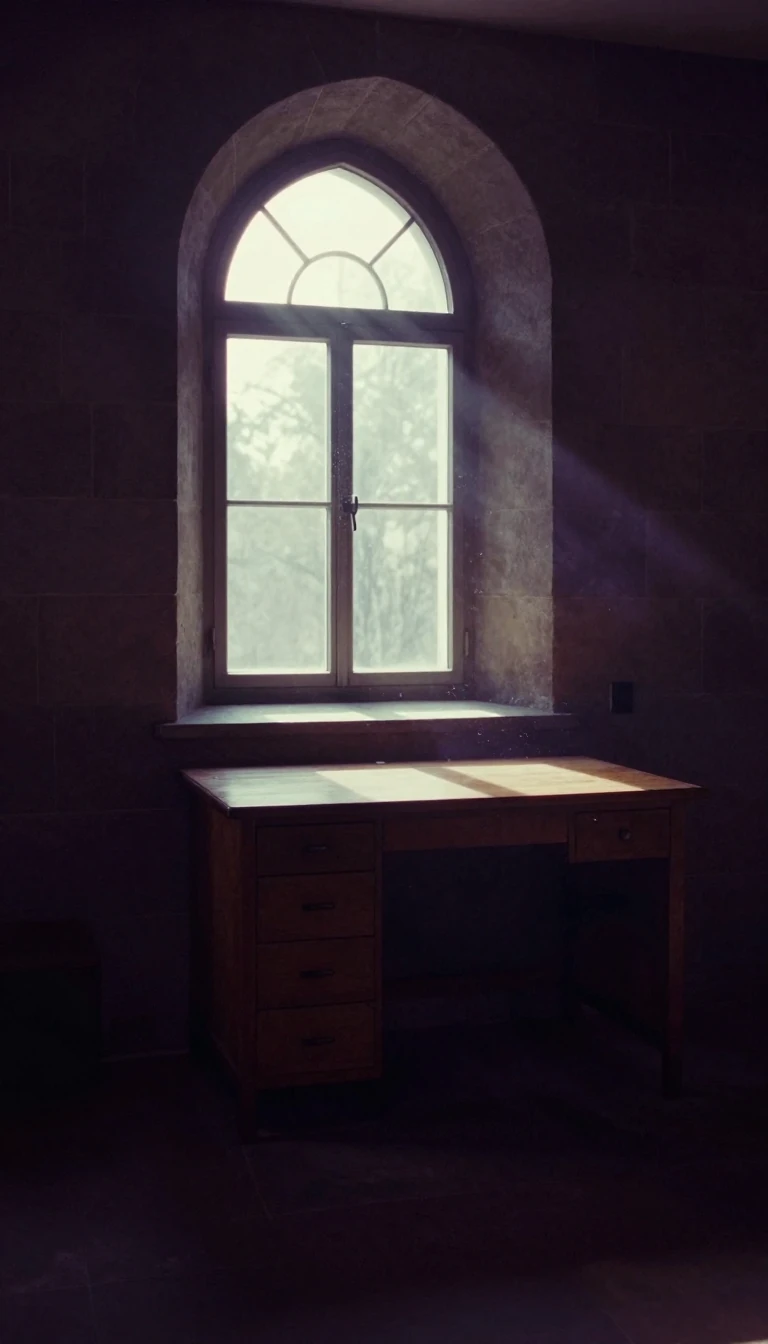
In short: In Sufism, a tariqa is more than a religious order; it is a structured spiritual road toward ultimate reality. By following the guidance of a sheikh and adhering to a specific ritual system, practitioners seek to transcend the everyday and achieve a profound, direct connection with the divine.
The term tariqa, meaning road or path, originated in the 9th and 10th centuries to describe the individual spiritual journeys of Sufi mystics. By the 12th century, the concept evolved significantly as followers began to coalesce around sheikhs, or teachers. These communities adopted the sheikh’s specific ritual system, and the word eventually came to designate the mystical order itself. These orders are defined by a silsilah, a chain of spiritual descent tracing back to the Prophet Muhammad, which provides a lineage of authority and legitimacy for the teachings and practices passed down to initiates.
Initiation into a tariqa involves a commitment to a murshid, or spiritual guide, who directs the student's development. Members, known as murids, engage in disciplined practices such as daily recitations called awrad, which can involve repeating specific formulas hundreds or thousands of times. These procedures are designed to help the seeker reach a mystical state known as ḥāl. While sober teachers have historically criticized excessive behaviors, some orders became famous for their ecstatic practices, including dancing or whirling, earning them names like the dancing dervishes. These groups often established monasteries, known as ribat or tekke, which served as centers for both members and the laity.
By the mid-20th century, hundreds of these orders existed globally, claiming millions of members across central Islamic countries, West Africa, India, and beyond. Unlike many religious institutions, membership in a tariqa is not necessarily exclusive; individuals may belong to multiple orders simultaneously, creating a cumulative body of tradition rather than isolated experiences. This non-exclusive nature has allowed Sufism to maintain a vital, expansive role in the religious life of Muslim communities for centuries, as the path continues to offer a structured way to seek the ultimate truth, or ḥaqq.
Opens the Intellect+ feed with this card first. Swipe up for the next one.
Sources
- Summary by Intellect · source: Tariqa | History, Sufism, Meaning, & Facts | Britannica
- Also: Tariqa
To cite this card, link to https://intellectplus.co.uk/app/ideas-tariqa.
How we source, check and correct cards: Editorial standards.
General information, not professional advice. Spotted an error? Flag the card or see corrections and complaints.
Intellect Plus is a visual educational discovery platform for exploring fascinating facts and ideas. Brain Food, Not Brain Rot. What is Intellect Plus?
Related
More in Writers · More in Ideas & Philosophy · Latest · A–Z · All topics
