Teófilo Braga: The austere intellectual who helped dismantle the Portuguese monarchy
In short: A man of spartan habits and relentless intellectual output, Teófilo Braga was a central figure in the rise of Portuguese republicanism. From his early days as a controversial student activist to his eventual presidency, Braga synthesized radical philosophy and history to reshape the nation's political identity at the turn of the century.
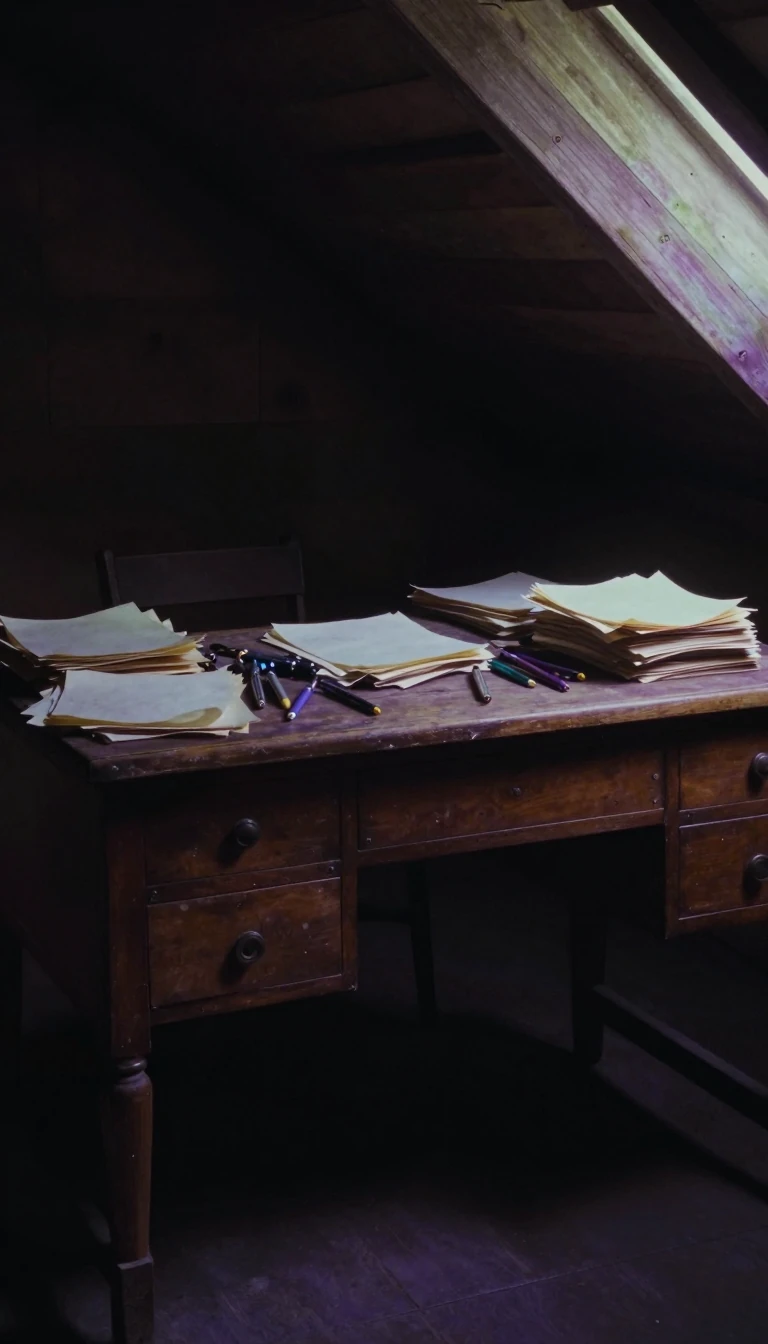
Born in the Azores in 1843, Teófilo Braga was a polymath whose life was defined by both immense tragedy and a singular, almost monastic devotion to his work. After losing his mother at age three and later suffering the premature deaths of his own children and wife, he retreated into a life of intense study. His contemporaries often described him as a 'prelate of science' who wrote with such speed that no machine in Portugal could keep pace with his pen.
Braga’s intellectual trajectory was heavily influenced by the tenets of Positivism, particularly the works of Auguste Comte. He viewed the Republic not merely as a political shift, but as a necessary evolution for a society he believed was held captive by the Roman Catholic Church and outdated monarchical structures. His doctrinaire style and prolific writing in newspapers like A Vanguarda and O Século provided the theoretical framework that unified various republican factions and helped consolidate the movement against the established order.
Despite his influence, Braga was a polarizing figure. Critics, including fellow intellectuals like Antero de Quental and Ricardo Jorge, frequently accused him of plagiarism and charlatanism, labeling him a 'hierophant of literary charlatanism.' Yet, his massive body of work—ranging from the four-volume History of the University of Coimbra to his extensive research on Portuguese folklore and literature—remains a testament to his ambition. He served as the leader of the Provisional Government in 1910 and later as President of the Republic in 1915, following the resignation of Manuel de Arriaga.
In his final years, Braga lived in relative isolation in Lisbon, often wearing repaired clothing that belonged to his late wife. He died in 1924 at the age of 80, leaving behind a complex legacy as both a foundational architect of the Portuguese Republic and a figure whose scholarly methods were deeply contested by his peers. His life remains a rare curiosity, a bridge between the rigid traditions of the 19th century and the modern, democratic ideals he fought to establish.
Opens the Intellect+ feed with this card first. Swipe up for the next one.
Sources
- Summary by Intellect · source: Teófilo Braga
To cite this card, link to https://intellectplus.co.uk/app/ideas-te-filo-braga.
How we source, check and correct cards: Editorial standards.
General information, not professional advice. Spotted an error? Flag the card or see corrections and complaints.
Intellect Plus is a visual educational discovery platform for exploring fascinating facts and ideas. Brain Food, Not Brain Rot. What is Intellect Plus?
Related
More in Philosophers · More in Ideas & Philosophy · Latest · A–Z · All topics
