Thasos: The Aegean Island Once Described as an Ass's Backbone Crowned With Wild Wood
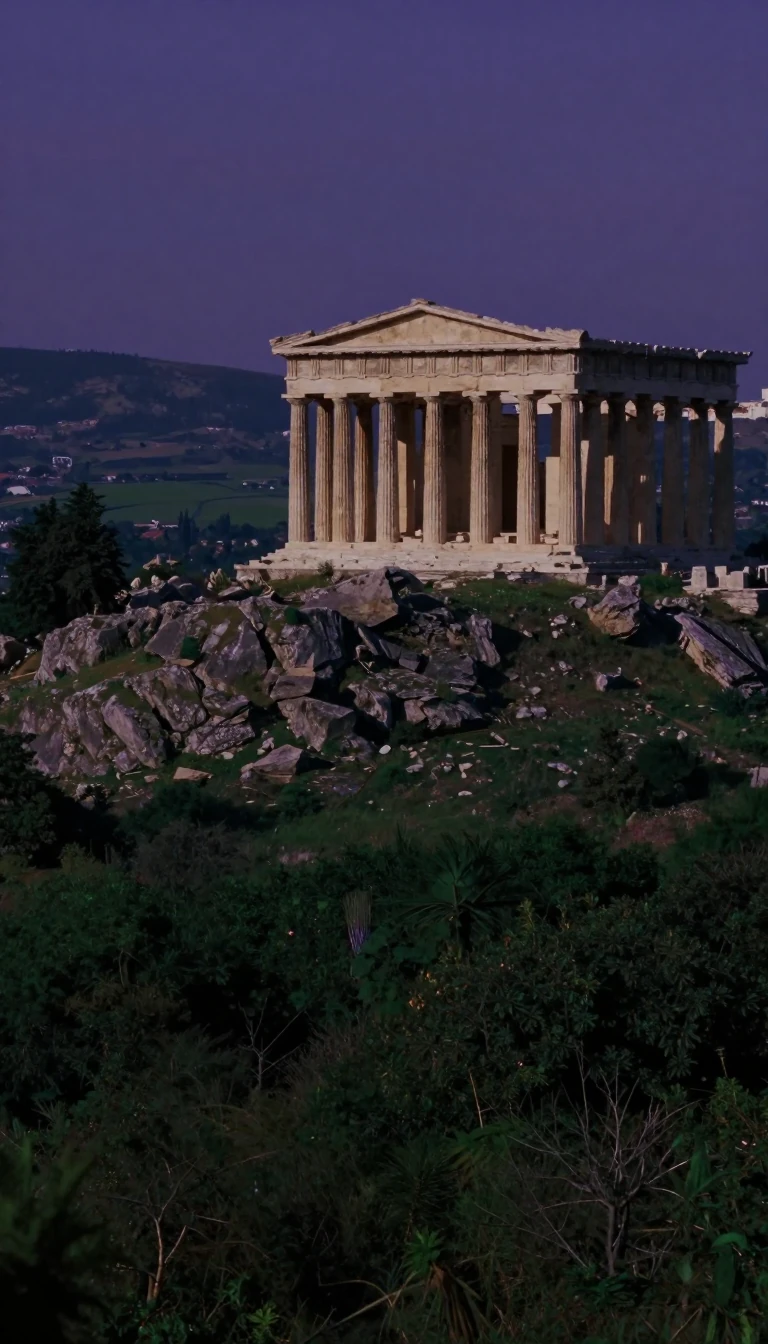
In short: Thasos, the northernmost major Greek island, has a history as rugged as its landscape. From ancient Phoenician gold miners to the poet Archilochus, who famously discarded his shield in battle, this wooded Aegean outpost has served as a strategic prize for empires, poets, and traders for thousands of years.
Located in the northern Aegean Sea, Thasos is part of the Thracian Sea island group. Unlike the more barren, rocky islands of the southern Cyclades, Thasos is notably wooded. This lush geography supported a diverse ancient economy, with the island becoming famous for its wine, nuts, and high-quality marble. In antiquity, its wealth was so significant that its coinage frequently featured the wine-god Dionysos and clusters of grapes, signaling the island's prosperity.
The island's history is deeply intertwined with its mineral wealth. Phoenician settlers were likely drawn to Thasos by its gold mines, establishing a temple to Melqart, a deity the Greeks later identified as Heracles. By the 5th century BC, the island's influence extended to the mainland, where Thasian gold mines generated annual revenues estimated between 200 and 300 Attic talents. This economic power made Thasos a frequent target for regional powers, leading to a complex political history involving the Persian Empire, the Delian League, and eventually, the Roman Republic.
Archaeological evidence reveals that Thasos was inhabited as far back as the Palaeolithic period, with early settlements like Limenaria showing connections to the mainland. The island's strategic importance often led to conflict; after the defeat of Xerxes I, Thasos joined the Delian League but later clashed with Athens over its mainland interests. Following a two-year siege, the Athenians forced the Thasians to dismantle their walls and surrender their naval assets. Centuries later, after the Battle of Cynoscephalae in 197 BC, the Romans granted the island its freedom, and it remained a nominally independent state well into the time of Pliny.
Opens the Intellect+ feed with this card first. Swipe up for the next one.
Sources
- Summary by Intellect · source: Thasos | Greek Island, Beaches & Ancient Ruins | Britannica
- Also: Thasos
To cite this card, link to https://intellectplus.co.uk/app/ideas-thasos.
How we source, check and correct cards: Editorial standards.
General information, not professional advice. Spotted an error? Flag the card or see corrections and complaints.
Intellect Plus is a visual educational discovery platform for exploring fascinating facts and ideas. Brain Food, Not Brain Rot. What is Intellect Plus?
Related
More in Writers · More in Ideas & Philosophy · Latest · A–Z · All topics
