Why the 2002 horror hit The Ring remains a masterclass in atmospheric dread
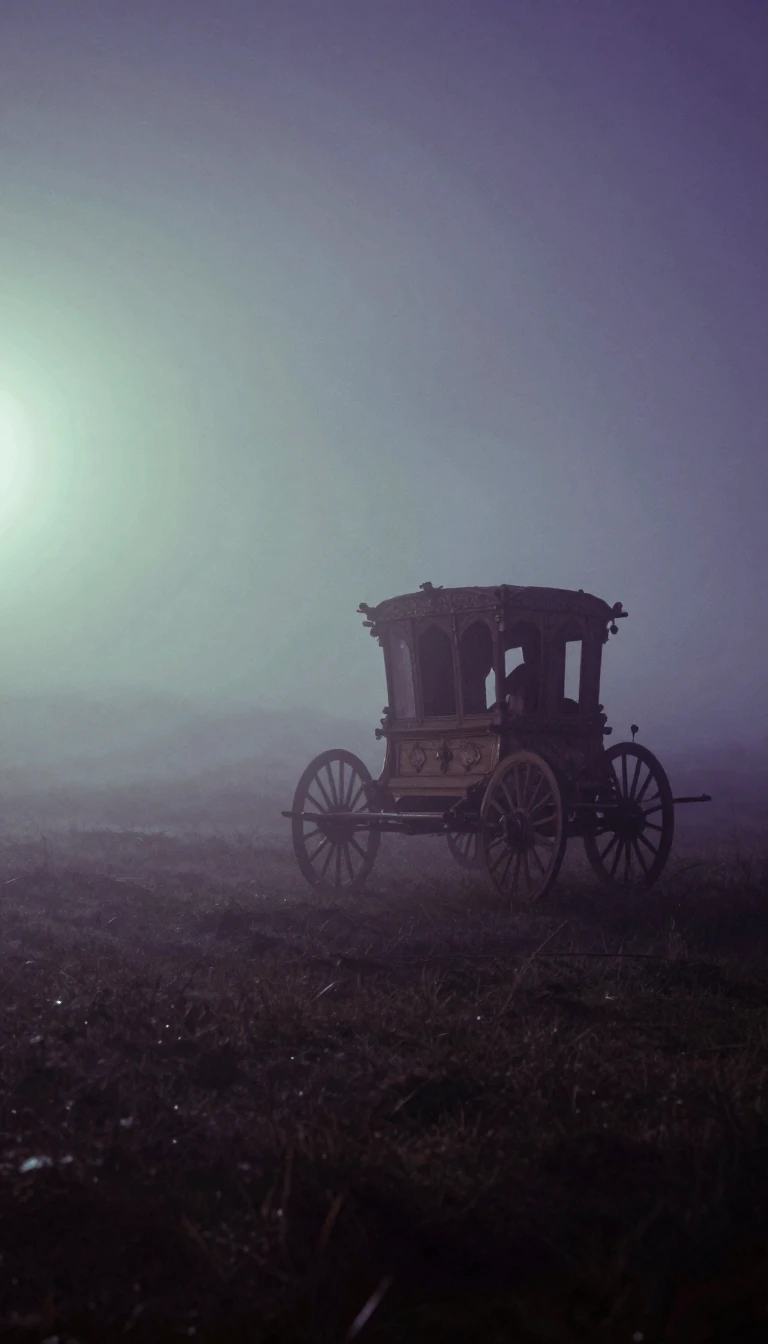
In short: Gore Verbinski's 2002 film The Ring transformed American horror by proving that psychological tension often outweighs graphic violence. By focusing on a cursed videotape that promises death in seven days, the film launched a wave of Asian horror remakes and redefined the genre's visual language through deliberate, haunting minimalism.
The Ring follows journalist Rachel Keller as she investigates a series of mysterious deaths linked to a cursed VHS tape. After viewing the footage, which features unsettling, cryptic imagery, Rachel finds herself caught in a supernatural countdown. The title itself carries multiple layers of meaning: it references the seven-day warning delivered via telephone to those who watch the tape, as well as the circular aperture of light visible to the victim trapped at the bottom of the well where the antagonist, Samara, met her end.
Production was an exercise in intentional aesthetic choices. Director Gore Verbinski sought to avoid the typical Hollywood blockbuster feel, opting for a wet, isolated Seattle setting to enhance the film's eerie tone. Cinematographer Bojan Bazelli eschewed modern digital color grading, instead utilizing traditional photochemical timing and specific green and blue filters to achieve a distinctive, desaturated look. This commitment to a specific visual style, combined with soft lighting designed to minimize shadows, aimed to subtly shift the viewer's perception and heighten the sense of ambiguity throughout the narrative.
The film's impact on the industry was significant, grossing $249.3 million worldwide and triggering a trend of American remakes of Asian horror classics like The Grudge and Dark Water. While critics were divided—with some praising the atmospheric tension and Naomi Watts's performance, and others finding the plot logic inconsistent—it remains a landmark of the early 2000s. Its success relied on a haunting score by Hans Zimmer and a marketing campaign that included distributing physical tapes on car windshields, effectively blurring the line between the film's fiction and the audience's reality.
Opens the Intellect+ feed with this card first. Swipe up for the next one.
Sources
- Summary by Intellect · source: The Ring (2002 film)
To cite this card, link to https://intellectplus.co.uk/app/ideas-the-ring-2002-film.
How we source, check and correct cards: Editorial standards.
General information, not professional advice. Spotted an error? Flag the card or see corrections and complaints.
Intellect Plus is a visual educational discovery platform for exploring fascinating facts and ideas. Brain Food, Not Brain Rot. What is Intellect Plus?
Related
More in Religion and spirituality · More in Ideas & Philosophy · Latest · A–Z · All topics
