From Roman wax tablets to modern cinema, the triptych is a master of narrative.
In short: The triptych is more than a religious altarpiece. Derived from the Greek for three folds, this three-panel format evolved from portable Roman writing tablets into a global artistic staple. Whether carved in ivory or projected on cinema screens, its unique structure offers a powerful way to frame complex, multi-layered stories.
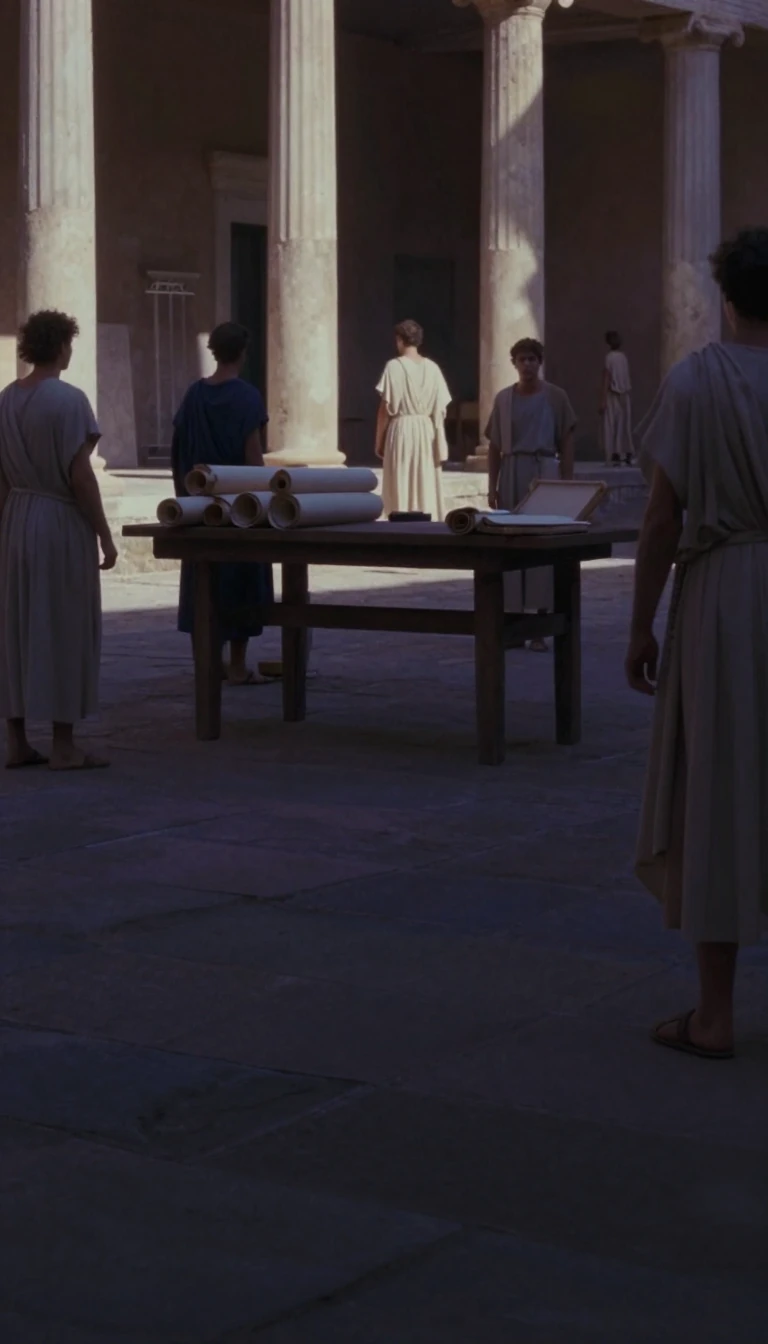
The triptych format traces its origins to the Roman Empire, where it served as a practical, three-part waxed writing tablet. By adding a third panel to the simpler diptych, users gained a protective cover for their legal or informal notes. This structural logic—a central core flanked by hinged wings—eventually migrated into the realm of art. During the Middle Ages, between 500 and 1500 CE, the format became a cornerstone of Christian altarpieces, likely bolstered by the theological significance of the Trinity. The hinged design was not merely symbolic; it provided essential portability, allowing these works to be easily transported or used for private devotion in the home.
While the format is synonymous with religious iconography, its utility quickly transcended the church. Renaissance masters like Hieronymus Bosch utilized the triptych to explore secular themes, human failings, and complex narratives, as seen in his famous work, The Garden of Earthly Delights (1490–1500). The format’s versatility allowed it to be adopted globally, appearing in East Asian Buddhist art and Ottoman religious works. In Japan, the Edo period saw the rise of the sammaitsuzuki, where three-panel woodblock prints were displayed as a set rather than hinged together, demonstrating the flexibility of the three-part structure.
In the modern era, the triptych has shed its strictly religious skin to influence diverse media. Artists such as Francis Bacon and Max Beckmann revived the form, with Bacon drawing inspiration from the panoramic scale of cinema. This connection to film is literal; in 1927, director Abel Gance employed a technique called Polyvision for his film Napoléon, using three synchronized cameras and projectors to create a cinematic triptych. Today, the format persists in photography, music, and contemporary film, proving that the ancient impulse to organize experience into three distinct, interconnected parts remains a vital tool for creative expression.
Opens the Intellect+ feed with this card first. Swipe up for the next one.
Sources
- Summary by Intellect · source: Triptych | Definition, Origins, Garden of Earthly Delights, & Usages | Britannica
- Also: Triptych
To cite this card, link to https://intellectplus.co.uk/app/ideas-triptych.
How we source, check and correct cards: Editorial standards.
General information, not professional advice. Spotted an error? Flag the card or see corrections and complaints.
Intellect Plus is a visual educational discovery platform for exploring fascinating facts and ideas. Brain Food, Not Brain Rot. What is Intellect Plus?
Related
More in Writers · More in Ideas & Philosophy · Latest · A–Z · All topics
