Can we ever truly own the things we are connected to?
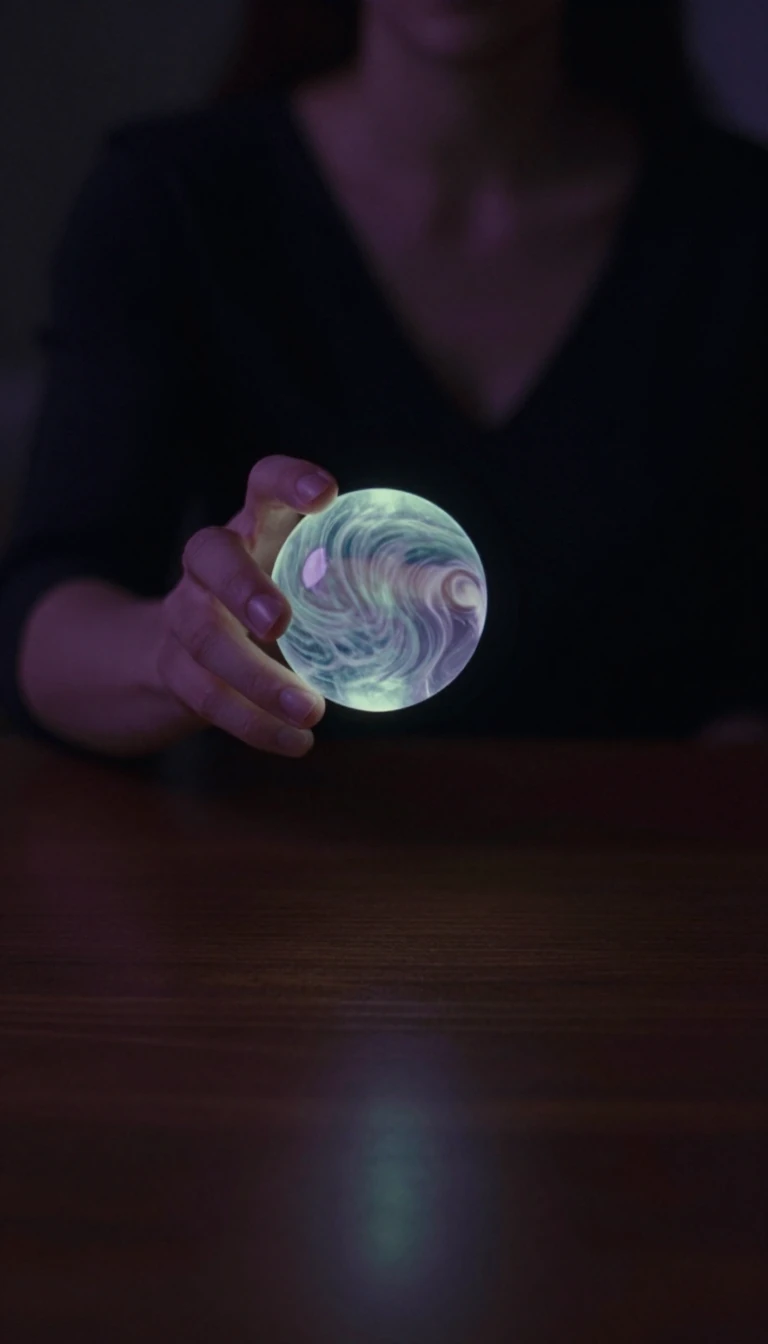
In short: In Shane Carruth's experimental film Upstream Color, two humans are unwittingly linked to a biological cycle involving parasites and livestock. It explores a haunting concept: the breaking of cycles and the struggle to reclaim ownership over the universal connections that shape our lives, even when those connections are involuntary.
The narrative follows Kris and Jeff, who discover identical surgical scars and shared memories of a mysterious parasite. The film depicts a three-stage life cycle where a 'Thief' harvests larvae to induce hypnotic susceptibility in humans. These victims are then used by a 'Sampler'—a pig farmer who acts as a neutral observer—to transfer the parasites into pigs. This biological exchange creates a literal and metaphorical entanglement between human experience and animal existence. The film uses specific literary and natural motifs to explore these themes. Kris is compelled to transcribe passages from Henry David Thoreau's 'Walden' while under the parasite's influence. This ritual eventually allows her and Jeff to piece together their shared history. The cycle culminates in a tragic ecological sequence: the birth of piglets leads to their drowning in a river, where their decaying bodies release a blue substance that produces blue orchids, which are then harvested by others in the cycle.
Director Shane Carruth suggests the film is not a simple 'return to nature' but an exploration of 'breaking cycles.' By the end, Kris and Jeff take ownership of their connection to the pigs, choosing to care for them rather than allowing them to be destroyed. This act of reclamation is presented as a way to find peace within a 'broken state of things.' Critics have noted the film's abstract nature, comparing its circular sense of time and focus on the natural world to the work of Terrence Malick.
The film's reception highlights its polarizing, 'transcendent' quality. While some critics praised its technical brilliance and emotional directness, others found it a 'baffling, opaque mess' due to its minimal dialogue and shifting settings. Despite these varied reactions, it remains a significant work of experimental American cinema, noted for its ability to inspire curiosity and obsession through its elusive, internal resonances.
Opens the Intellect+ feed with this card first. Swipe up for the next one.
Sources
- Summary by Intellect · source: Upstream Color
To cite this card, link to https://intellectplus.co.uk/app/ideas-upstream-color.
How we source, check and correct cards: Editorial standards.
General information, not professional advice. Spotted an error? Flag the card or see corrections and complaints.
Intellect Plus is a visual educational discovery platform for exploring fascinating facts and ideas. Brain Food, Not Brain Rot. What is Intellect Plus?
Related
More in Classic philosophy · More in Ideas & Philosophy · Latest · A–Z · All topics
