Why the perfect society is a trap and the nightmare is a warning
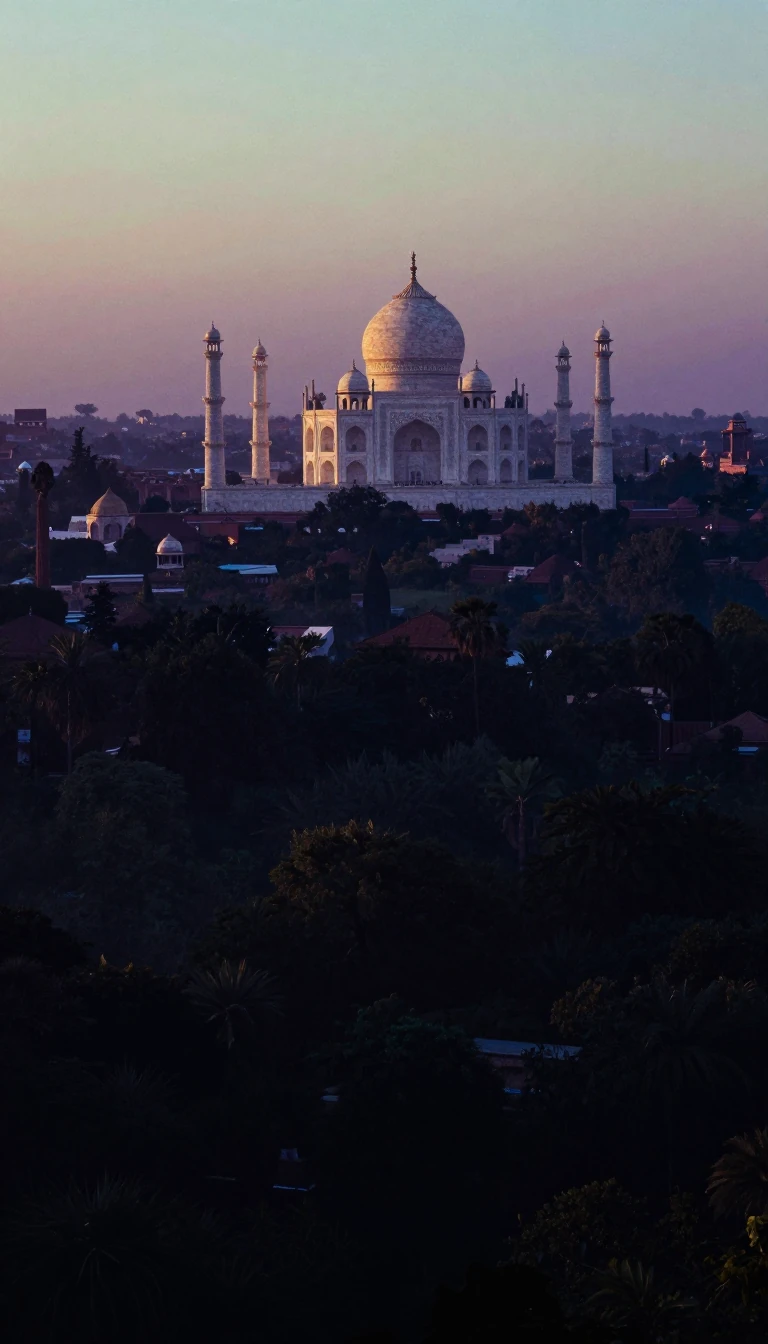
In short: Utopian fiction began as a clever pun on a non-existent place, but it evolved into a powerful tool for social critique. While utopias promise stability, they often struggle with the paradox of progress. Dystopias, by contrast, amplify our present-day fears to reveal the hidden dangers in our own social structures.
Sir Thomas More coined the term in his 1516 satire Utopia, playing on Greek roots that mean both 'good place' and 'no place.' By framing his ideal society as a hypothetical location, More could safely critique 16th-century England without directly offending the powerful. This tradition of the 'thought experiment' has since been used by fringe thinkers to air hidden discontents, though the genre's prestige has fluctuated wildly. In the 19th century, utopianism thrived alongside a belief in scientific progress, with authors like Edward Bellamy envisioning nationalized industries and classless societies in his 1888 work Looking Backward.
Technocratic utopias, such as those proposed by H.G. Wells and B.F. Skinner, often hit a conceptual wall: if a society is already perfect, how can it continue to improve? This paradox led many writers toward the pastoral utopia, which rejects technology in favor of timeless, village-like stability. Works like William Morris’s News from Nowhere or Ernest Callenbach’s Ecotopia offer an imaginary refuge from the warping effects of modern industrial life. However, these visions of perfection often lack dramatic tension, as a state of absolute harmony is inherently uneventful.
Dystopian fiction serves as the necessary counterweight, replacing the placid gloss of benevolence with the 'satanic thunder' of oppression. Rather than promising a better future, dystopias extrapolate current behaviors to their ugliest conclusions, acting as political warnings. George Orwell’s Nineteen Eighty-four and E.M. Forster’s The Machine Stops illustrate how these narratives often rely on the 'house-of-cards' plot, where the sudden collapse of a rigid, soulless system drives the story. By focusing on the consequences of present-day practices, dystopian authors force readers to view their own society with fresh, critical eyes.
Opens the Intellect+ feed with this card first. Swipe up for the next one.
Sources
- Summary by Intellect · source: Science fiction - Utopias, Dystopias, Futurism | Britannica
- Also: Utopian and dystopian fiction
To cite this card, link to https://intellectplus.co.uk/app/ideas-utopian-and-dystopian-fiction.
How we source, check and correct cards: Editorial standards.
General information, not professional advice. Spotted an error? Flag the card or see corrections and complaints.
Intellect Plus is a visual educational discovery platform for exploring fascinating facts and ideas. Brain Food, Not Brain Rot. What is Intellect Plus?
Related
More in Religion and spirituality · More in Ideas & Philosophy · Latest · A–Z · All topics
