Why ancient cultures believed the death of a god was necessary for the harvest
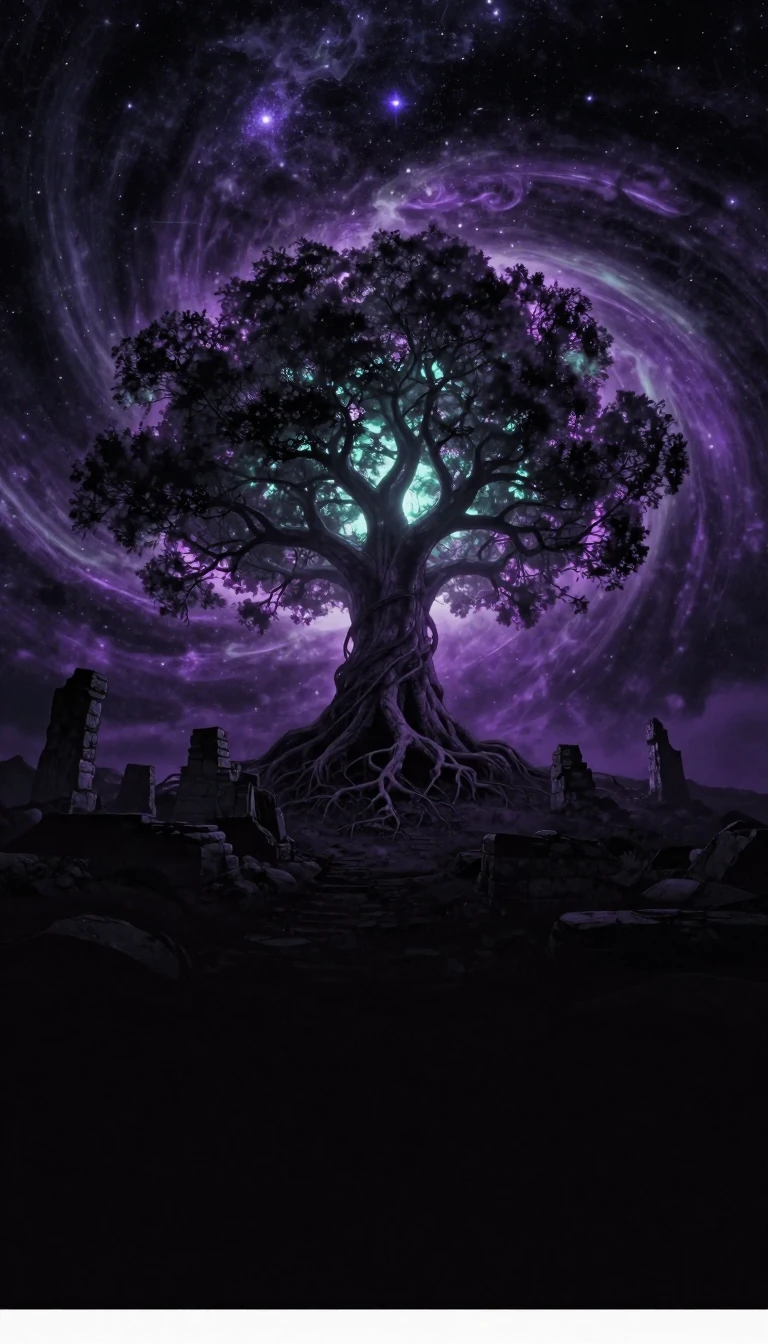
In short: Across human history, the cycle of plant life was often personified by deities who lived, died, and were reborn. These figures, ranging from Mesopotamian gods to Egyptian rulers, embodied the growth of crops. By examining their myths, we uncover how early societies conceptualized the profound link between fertility and nature.
A vegetation deity is a nature figure whose life cycle mirrors the seasonal growth and decay of plants. These gods and goddesses are frequently linked to fertility, serving as the theological embodiment of immortality, resurrection, and reincarnation. Central to these myths is the process of sparagmos, or dismemberment, where the deity is torn apart and scattered, only to be reintegrated later. This cyclical pattern is not merely a story of agriculture but a structural framework that mirrors creation myths, such as the Norse account of Ymir, where the body of a primordial being generates the cosmos.
The Mesopotamian myth of Inanna and Dumuzi illustrates this dependency. When Inanna travels to the underworld, the earth becomes sterile, halting all procreation. Her husband, the vegetation god Dumuzi, must spend half the year in the underworld to secure her return, a period that coincides with the death of vegetation. Similarly, in Egyptian tradition, Osiris is killed and dismembered by his brother Set. His wife, Isis, gathers his fourteen body parts; in some accounts, burying these fragments causes the desert to bloom, while in others, his resurrection establishes him as the ruler of the afterlife.
The concept has faced academic scrutiny. In the 19th and early 20th centuries, scholars like J.G. Frazer categorized these figures as corn spirits, a term that critics like Walter Friedrich Otto later dismissed as a pretentious and meaningless generality. Despite these debates, the archetype persists in archaeological findings, such as the Cucuteni-Trypillian figurines. These artifacts feature lozenge and dot patterns, symbolizing the connection between a sown field and human fertility. Whether through the journey of Ningishzida or the Corn Mother traditions found in America and Indonesia, these deities remain a testament to how ancient cultures sought to explain the precarious nature of survival through the lens of the divine.
Opens the Intellect+ feed with this card first. Swipe up for the next one.
Sources
- Summary by Intellect · source: Vegetation deity
To cite this card, link to https://intellectplus.co.uk/app/ideas-vegetation-deity.
How we source, check and correct cards: Editorial standards.
General information, not professional advice. Spotted an error? Flag the card or see corrections and complaints.
Intellect Plus is a visual educational discovery platform for exploring fascinating facts and ideas. Brain Food, Not Brain Rot. What is Intellect Plus?
Related
More in Religion and spirituality · More in Ideas & Philosophy · Latest · A–Z · All topics
