How Arcangelo Corelli transformed the violin from a supporting player into a solo star.
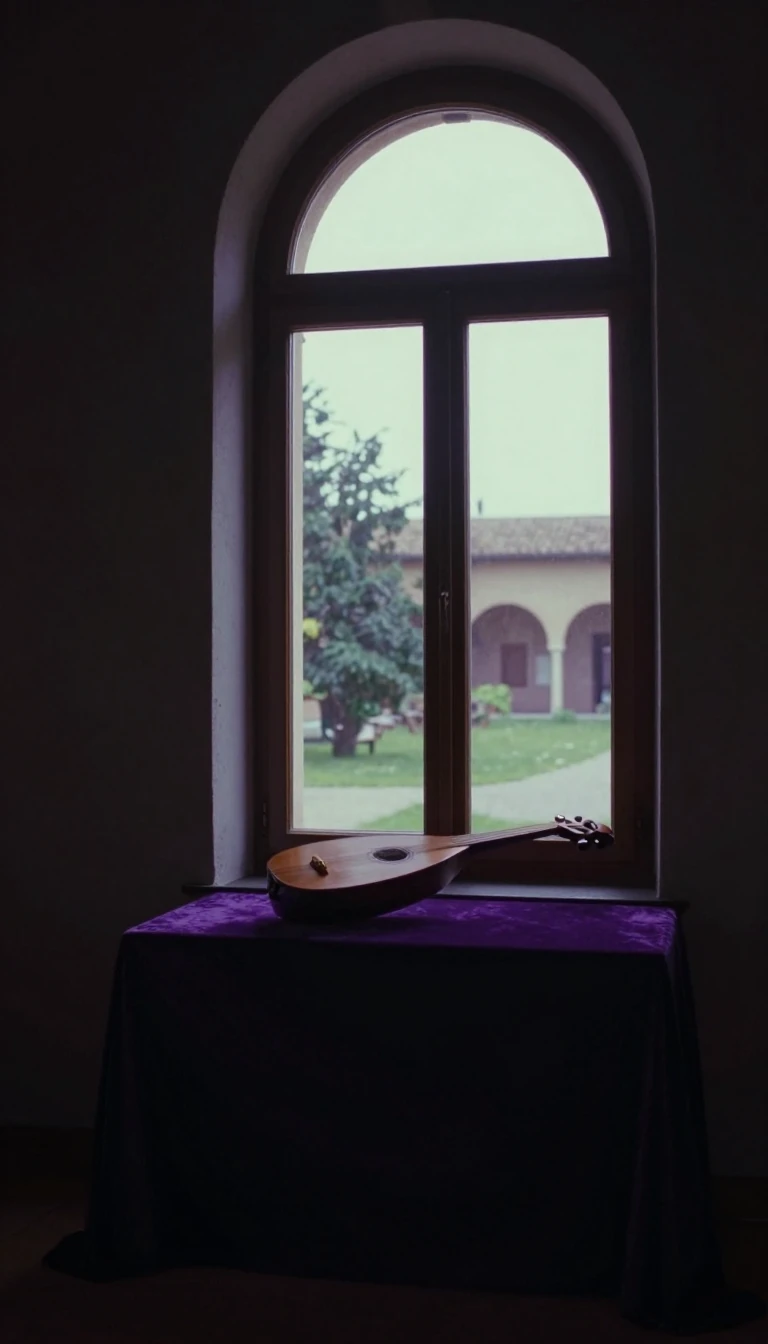
In short: Arcangelo Corelli was the Baroque era's most influential violinist, yet his early life remains a mystery. By mastering the concerto grosso and refining violin technique, he elevated the instrument to unprecedented prestige. His legacy, built on just six published collections, shaped the future of Western orchestral music and modern tonality.
Born in 1653 in Fusignano, Italy, Arcangelo Corelli emerged from obscure beginnings to become a central figure in Baroque music. While legends of his childhood abound, reliable documentation only begins with his musical training in Bologna and his subsequent move to Rome. By 1675, he was already established as a professional violinist in Roman orchestras, eventually securing the patronage of influential figures like Queen Christina of Sweden and Cardinal Pietro Ottoboni.
Corelli’s genius lay in his ability to standardize musical forms. His 12 Concerti Grossi, published posthumously in 1714, solidified the concerto grosso as a dominant compositional medium. His earlier works, including his trio sonatas and solo sonatas—published as Opus 1 through Opus 5 between 1681 and 1700—were instrumental in crystallizing the modern tonal system. These compositions were characterized by a unique sense of moderation, balancing theatricality with a refined, expressive polyphony that defined the era's classical ideals.
Beyond his compositions, Corelli was a pioneer of modern orchestral direction. He frequently organized and conducted large-scale performances, including a massive 150-string ensemble for Queen Christina and a complex oratorio in 1689 featuring over 80 musicians. His skill as a conductor and his development of advanced violin techniques ensured that the violin became one of the most prestigious solo instruments in Europe. Through his many disciples, Corelli’s influence spread far beyond Rome, cementing his status as a foundational architect of the Western musical tradition.
While much of his life is shrouded in anecdote—including unverified claims of travel to Germany or France—his impact on music history is undeniable. He was the first to fully utilize the new tonal system for structural and expressive purposes, marking a departure from centuries of experimentation. By the time of his death in 1713, Corelli had transformed the role of the violinist from a mere ensemble player into a virtuoso, leaving a blueprint that would guide composers and performers for generations.
Opens the Intellect+ feed with this card first. Swipe up for the next one.
Sources
- Summary by Intellect · source: Arcangelo Corelli | Baroque Composer, Violinist & Teacher | Britannica
- Also: Arcangelo Corelli
To cite this card, link to https://intellectplus.co.uk/app/music-arcangelo-corelli.
How we source, check and correct cards: Editorial standards.
General information, not professional advice. Spotted an error? Flag the card or see corrections and complaints.
Intellect Plus is a visual educational discovery platform for exploring fascinating facts and ideas. Brain Food, Not Brain Rot. What is Intellect Plus?
Related
More in Musicians and composers · More in Music · Latest · A–Z · All topics
