How Art Tatum redefined the piano with a style that left jazz legends awestruck
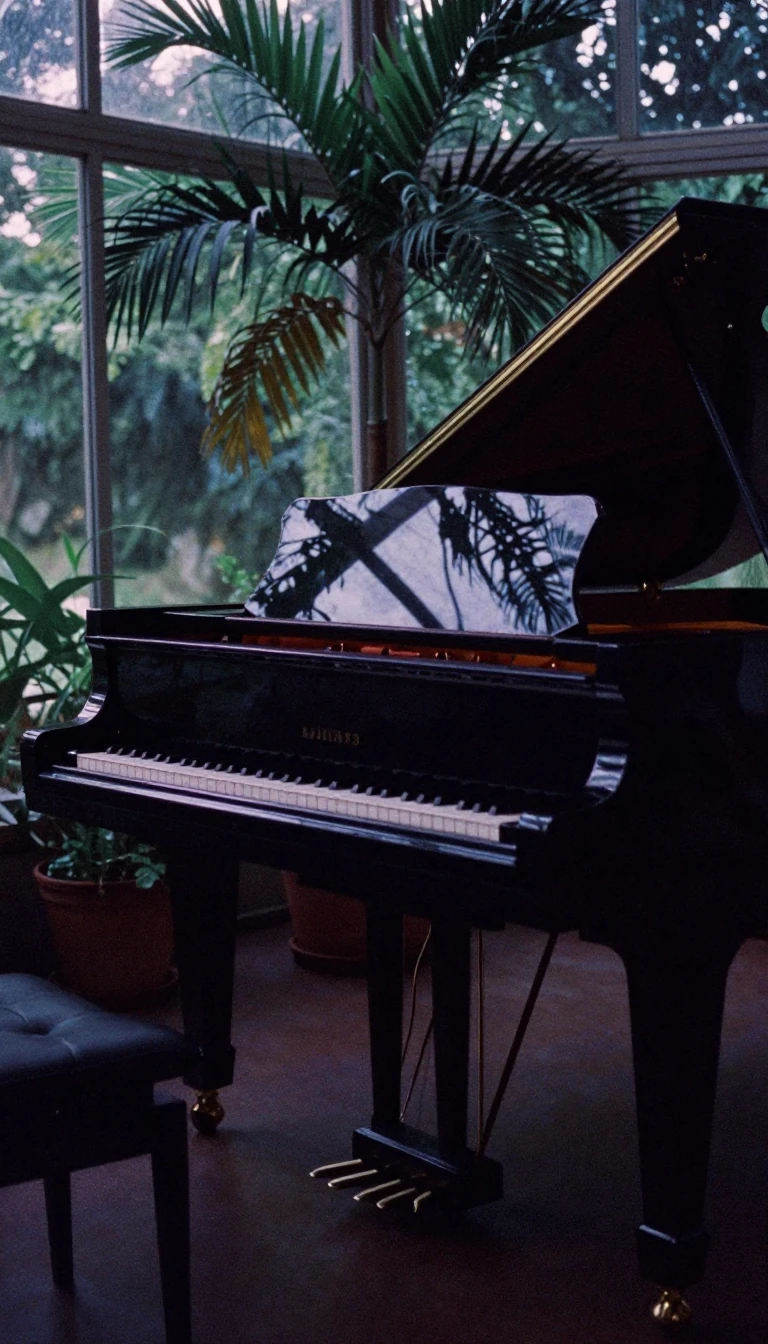
In short: Art Tatum was a technical virtuoso who transformed jazz piano through spontaneous reharmonization and rhythmic complexity. Blind from childhood, he transcended his stride-style roots to influence generations of musicians. His ability to weave cascading notes in and out of tempo remains a benchmark for pianists and horn players alike.
Born in Toledo, Ohio, in 1909, Art Tatum displayed an early aptitude for music that defied his visual impairment. Though he began his formal training on the violin, he shifted his focus to the piano by age 13. His development was largely self-taught, as his classical instructor, Overton G. Rainey, actively discouraged the jazz improvisation that would eventually define Tatum's career. Instead, Tatum honed his craft by listening to the radio and piano rolls, developing a legendary sense of pitch and an encyclopedic memory.
Upon moving to New York City at age 21, Tatum began producing his most influential work. He utilized a stride-style left hand while introducing highly varied right-hand stylings that often wove in and out of tempo. His most radical innovation was the spontaneous insertion of entirely new chord progressions, sometimes placing a new chord on every beat within a single measure. This practice of reharmonization became a standard technique for modern jazz musicians, fundamentally expanding the harmonic vocabulary of the instrument.
Tatum's influence was profound, with peers like Bud Powell, Lennie Tristano, and Oscar Peterson explicitly crediting his technique. Teddy Wilson, another master of the era, described Tatum as the strongest influence of all, noting that fellow musicians were consistently awestruck by his performance. Despite his commercial success, particularly with his trio featuring Tiny Grimes and Slam Stewart in the 1940s, Tatum remained committed to his own unique style even as the bebop movement gained momentum. He continued performing until his death in 1956 at age 47, leaving behind a legacy of technical mastery that few jazz pianists have failed to emulate.
Opens the Intellect+ feed with this card first. Swipe up for the next one.
Sources
- Summary by Intellect · source: Art Tatum | Jazz Pianist, Blind Musician, Improviser | Britannica
- Also: Art Tatum
To cite this card, link to https://intellectplus.co.uk/app/music-art-tatum.
How we source, check and correct cards: Editorial standards.
General information, not professional advice. Spotted an error? Flag the card or see corrections and complaints.
Intellect Plus is a visual educational discovery platform for exploring fascinating facts and ideas. Brain Food, Not Brain Rot. What is Intellect Plus?
Related
More in Musicians and composers · More in Music · Latest · A–Z · All topics
