Why the strict rules of a musical canon create such hauntingly beautiful results
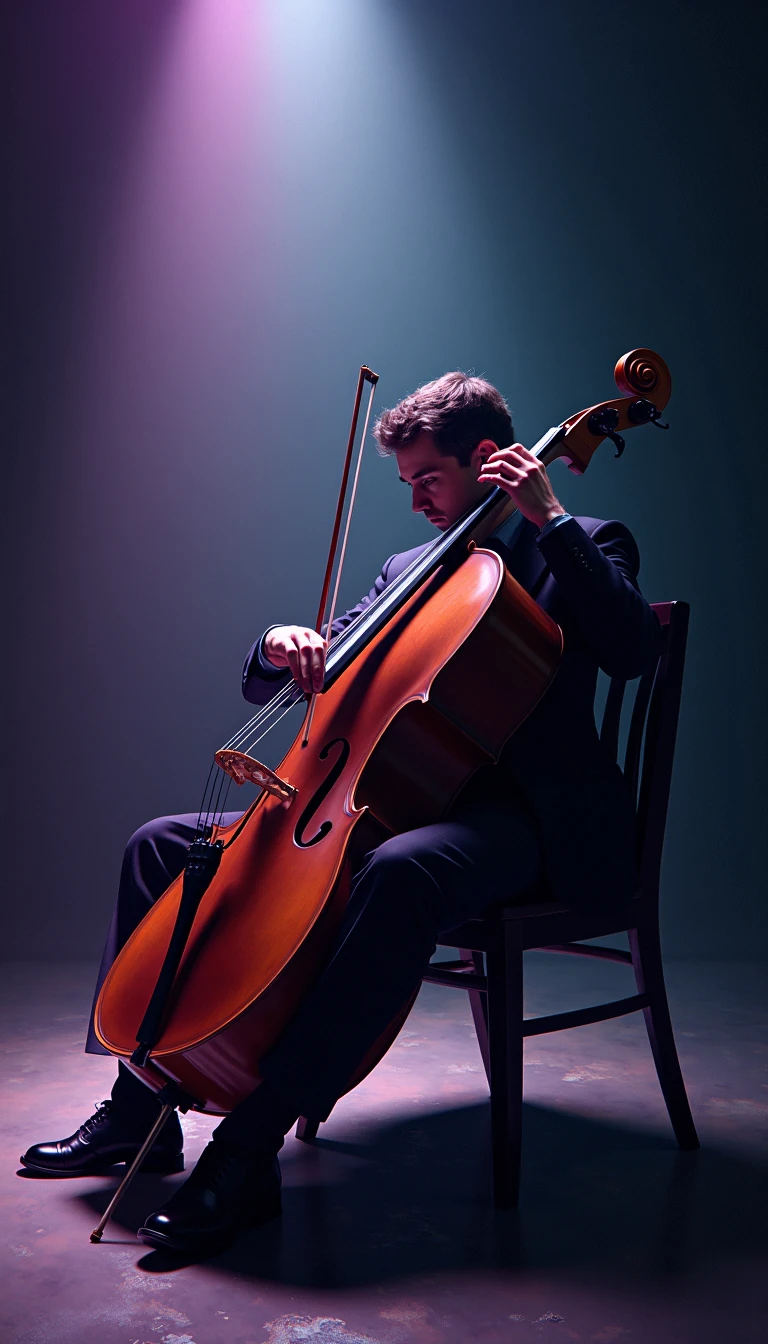
In short: A canon is more than just a repeating melody. It is a rigorous compositional law where one voice chases another, creating a complex web of sound. By forcing different parts to follow the same strict path, composers have unlocked a unique way to balance individual freedom with collective harmony.
At its core, a canon is a specific technique of strict imitation. A leading melody, or dux, is followed by one or more voices that replicate its rhythm and intervals after a set delay. While we often associate this with simple rounds like Frère Jacques, the technique is a sophisticated application of counterpoint—the art of combining independent melodic lines into a coherent whole. Unlike simple polyphony, which merely layers melodies, counterpoint demands that these lines maintain both individual character and a harmonious vertical relationship.
The term canon itself comes from the Greek word for law or rule. Historically, these rules were often provided as verbal instructions or cryptic signs in a score, dictating how additional parts should be derived from a single written line. Before the 16th century, such imitative textures were frequently grouped under the broader label of fugue, specifically fuga ligata, or fettered fugue. This evolution reflects the transition from early medieval organum—where voices moved in rigid parallel motion—to the complex, individualized textures of the Renaissance and Baroque eras.
Composers have long used this structure to achieve profound dramatic effects. By forcing different characters to sing the same music, they can create a sense of anonymity or shared experience, as seen in the famous quartet from Beethoven's opera Fidelio. Whether through the rhythmic complexity of the 14th-century ars subtilior or the subtle, hidden canons found in Romantic piano works like those of Schumann, the canon remains a testament to the power of constraint. It proves that when voices are bound by the same law, they can transcend their individual parts to create something far greater than the sum of their notes.
Opens the Intellect+ feed with this card first. Swipe up for the next one.
Sources
- Summary by Intellect · source: Canon | Polyphonic, Counterpoint, Imitation | Britannica
- Also: Canon (music)
To cite this card, link to https://intellectplus.co.uk/app/music-canon-music.
How we source, check and correct cards: Editorial standards.
General information, not professional advice. Spotted an error? Flag the card or see corrections and complaints.
Intellect Plus is a visual educational discovery platform for exploring fascinating facts and ideas. Brain Food, Not Brain Rot. What is Intellect Plus?
Related
More in Music · More in Music · Latest · A–Z · All topics
