The cantata began as a simple song but evolved into a complex musical pillar.
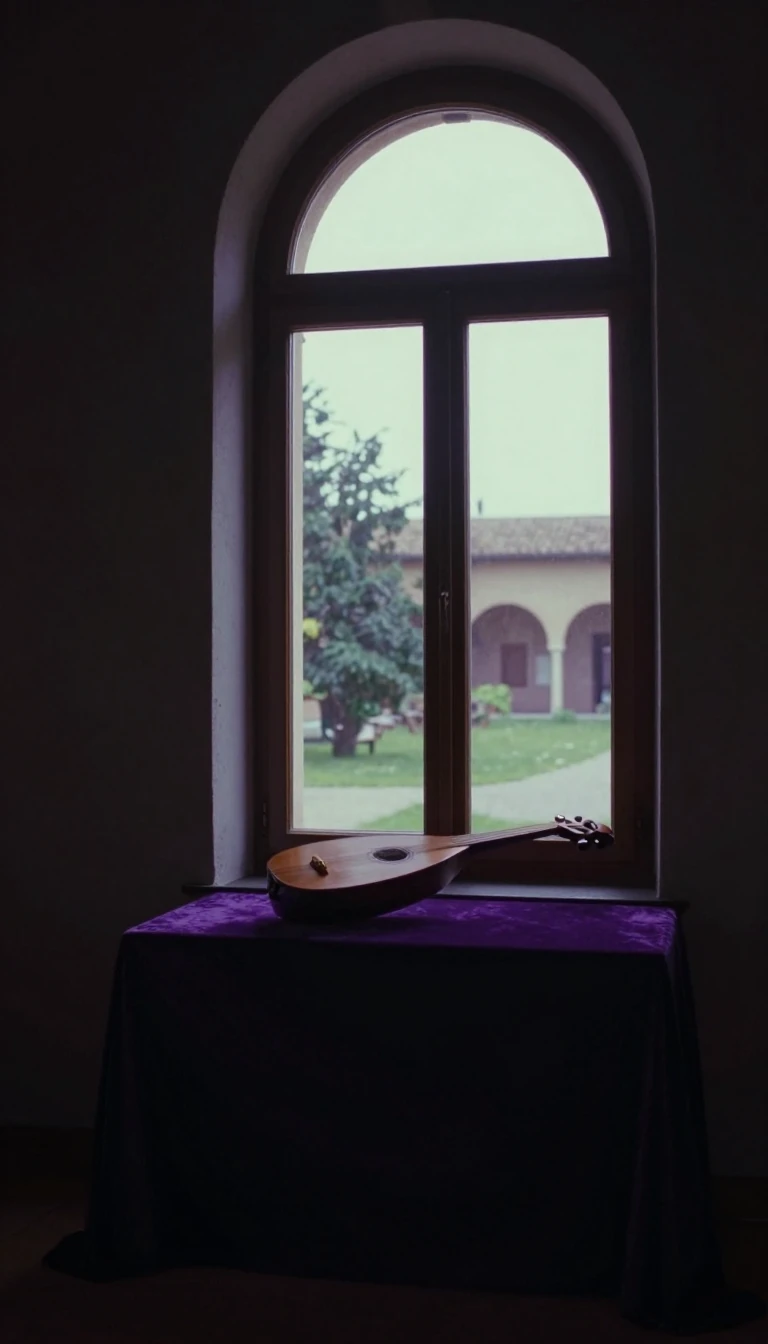
In short: Derived from the Italian word for singing, the cantata originated in the 17th century as a vocal counterpart to the instrumental sonata. While it started as intimate chamber music, it eventually expanded into grand sacred and secular works, blurring the lines between vocal performance, opera, and oratorio over centuries.
The term cantata first appeared in the early 17th century, emerging alongside opera and oratorio as instrumental music gained independence from the vocal-only traditions of the past. Initially, the cantata was a modest form of Italian chamber music, typically featuring one or two solo voices accompanied by a basso continuo. This early structure relied on a narrative recitative punctuated by recurring, primitive arias, a style exemplified by composers like Giacomo Carissimi and Henry Purcell.
As the baroque era progressed, the genre underwent significant transformation. By the 18th century, the cantata had expanded into more substantial forms, often incorporating the da capo aria. This evolution made the distinction between a large-scale cantata and an operatic scene increasingly porous. Similarly, sacred cantatas intended for church liturgy often mirrored the structure of small oratorios. In the Lutheran tradition, these works were frequently referred to as geistliche Konzerte, though later editors retroactively applied the term cantata to these liturgical pieces.
The sheer volume of production in this genre was immense. While Johann Sebastian Bach is widely recognized for his nearly 200 extant cantatas, Christoph Graupner was arguably the most prolific contributor, composing over 1,400 works during his 50-year tenure at the court of Hesse-Darmstadt. Graupner’s compositions often featured more elaborate orchestral effects and exotic instrumentation compared to Bach’s, reflecting the differing needs of their respective congregations and courts. Today, the cantata remains a testament to the fluid boundaries of musical history, where secular and sacred forms frequently borrowed from and parodied one another.
Opens the Intellect+ feed with this card first. Swipe up for the next one.
Sources
- Summary by Intellect · source: Cantata | Definition, History & Composers | Britannica
- Also: Cantata
To cite this card, link to https://intellectplus.co.uk/app/music-cantata.
How we source, check and correct cards: Editorial standards.
General information, not professional advice. Spotted an error? Flag the card or see corrections and complaints.
Intellect Plus is a visual educational discovery platform for exploring fascinating facts and ideas. Brain Food, Not Brain Rot. What is Intellect Plus?
Related
More in Music · More in Music · Latest · A–Z · All topics
