Christmas music has survived bans, wars, and centuries of shifting cultural identity
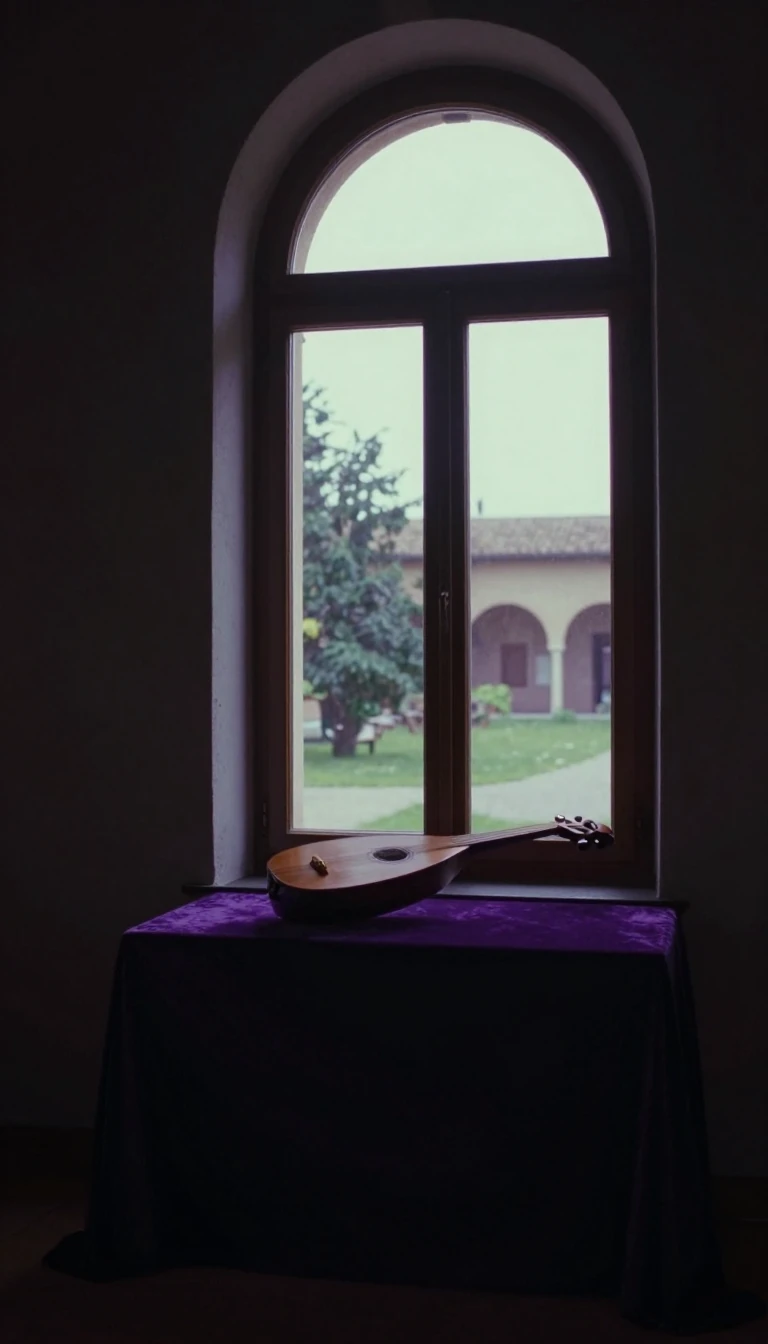
In short: From 4th-century Latin hymns to the secular pop hits of the 20th century, Christmas music is a complex tapestry. Once a strictly liturgical practice, it has endured government-mandated prohibitions and evolved into a global phenomenon that now defines the holiday season for believers and secular listeners alike.
The roots of Christmas music trace back to 4th-century Rome, where Latin hymns like Veni redemptor gentium marked the earliest liturgical observances. By the 13th century, the influence of Francis of Assisi helped popularize carols in regional vernacular languages. These early works were deeply tied to the Nativity and Theophany, serving as essential components of church services. However, the tradition faced a significant existential threat in 17th-century England. Under the Commonwealth government, the Puritan-led Parliament declared Christmas celebrations sinful, officially abolishing the holiday in 1647. For years, the public singing of carols was prohibited, forcing practitioners to hold semi-clandestine services and sing in secret until the Restoration of the monarchy in 1660.
The 19th century sparked a massive revival of the holiday, fueled by Victorian-era sentimentality and the publication of influential collections like William Sandys's 1833 anthology. This period saw the creation of enduring classics such as Silent Night and the institutionalization of caroling in churches, most notably with the 1880 introduction of Nine Lessons and Carols at Truro Cathedral. While religious compositions remained central—ranging from Johann Sebastian Bach’s 1734 Christmas Oratorio to works by Camille Saint-Saëns—the 20th century introduced a new, secular dimension. The Great Depression era birthed popular U.S. hits that focused on cultural customs rather than the Nativity, cementing songs like White Christmas as cultural touchstones.
Today, the landscape of Christmas music is remarkably diverse. While some traditions, such as door-to-door caroling for charity, persist in places like India, modern consumption is dominated by the phenomenon of Christmas creep, where radio stations switch to holiday formats as early as the day after Halloween. Research suggests that for many, the meaning of these songs has shifted; they are now as much about family heritage and national identity as they are about religious faith. Whether through the high-art compositions of the Baroque era or the sentimental ballads of the mid-20th century, Christmas music remains a powerful, if contested, staple of global culture.
Opens the Intellect+ feed with this card first. Swipe up for the next one.
Sources
- Summary by Intellect · source: Christmas music
To cite this card, link to https://intellectplus.co.uk/app/music-christmas-music.
How we source, check and correct cards: Editorial standards.
General information, not professional advice. Spotted an error? Flag the card or see corrections and complaints.
Intellect Plus is a visual educational discovery platform for exploring fascinating facts and ideas. Brain Food, Not Brain Rot. What is Intellect Plus?
Related
More in Music · More in Music · Latest · A–Z · All topics
