The world's most famous Christmas carol was born from a broken church organ
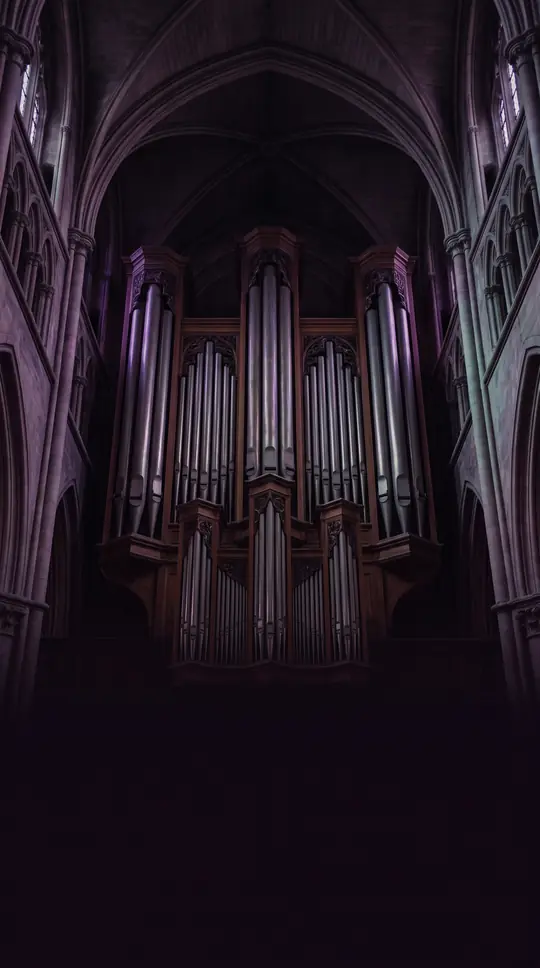
In short: Silent Night is a global phenomenon, but its origins were humble and accidental. Written in 1816 and first performed in 1818, this masterpiece emerged from a small Austrian village after a flood damaged the local church organ. It has since evolved from a simple guitar-accompanied hymn into a cultural icon.
The carol was created by assistant priest Joseph Mohr and schoolmaster Franz Xaver Gruber. Mohr penned the lyrics in 1816 while stationed in Mariapfarr, but the melody was not composed until Christmas Eve 1818 in Oberndorf. Legend often claims the church organ failed due to flood damage, forcing the pair to use a guitar for the debut performance. While this story gained popularity through 1930s American fiction, it remains a persistent narrative in numerous films about the song's history.
For decades, the composition was mistakenly credited to famous figures like Mozart, Haydn, and Schubert. This changed in 1995 when a manuscript in Mohr's handwriting, dated to approximately 1820, confirmed the true authors. The song spread rapidly after organ builder Karl Mauracher brought the melody to the Zillertal region. From there, traveling folk singers like the Rainers introduced it to audiences across Europe and eventually the United States, where it was performed in New York City as early as 1839.
The version commonly heard today differs from Gruber's original, which was a moderate-tempo tune in 6/8 time. The standard English translation, published in 1859 by John Freeman Young, captures only three of Mohr's original six verses. While the song is now a meditative lullaby, its legacy is vast, spanning over 137,000 recordings and translations into roughly 300 languages. It even inspired a 1978 avant-garde arrangement by Alfred Schnittke, whose dissonant interpretation famously caused a scandal in Austria.
Modern scholarship continues to debate the nuances of Mohr's original German text. While translators often interpret the holy pair as Mary and the infant, some suggest the term implies Mary and Joseph watching over the child. Regardless of these interpretive shifts, the song remains a fixture of global culture, recognized by UNESCO as intangible heritage and continuing to appear on music charts worldwide.
Opens the Intellect+ feed with this card first. Swipe up for the next one.
Sources
- Summary by Intellect · source: Silent Night
To cite this card, link to https://intellectplus.co.uk/app/music-silent-night.
How we source, check and correct cards: Editorial standards.
General information, not professional advice. Spotted an error? Flag the card or see corrections and complaints.
Intellect Plus is a visual educational discovery platform for exploring fascinating facts and ideas. Brain Food, Not Brain Rot. What is Intellect Plus?
Related
More in Music · More in Music · Latest · A–Z · All topics
