Your brain backdates reality to fill in the gaps of your sight
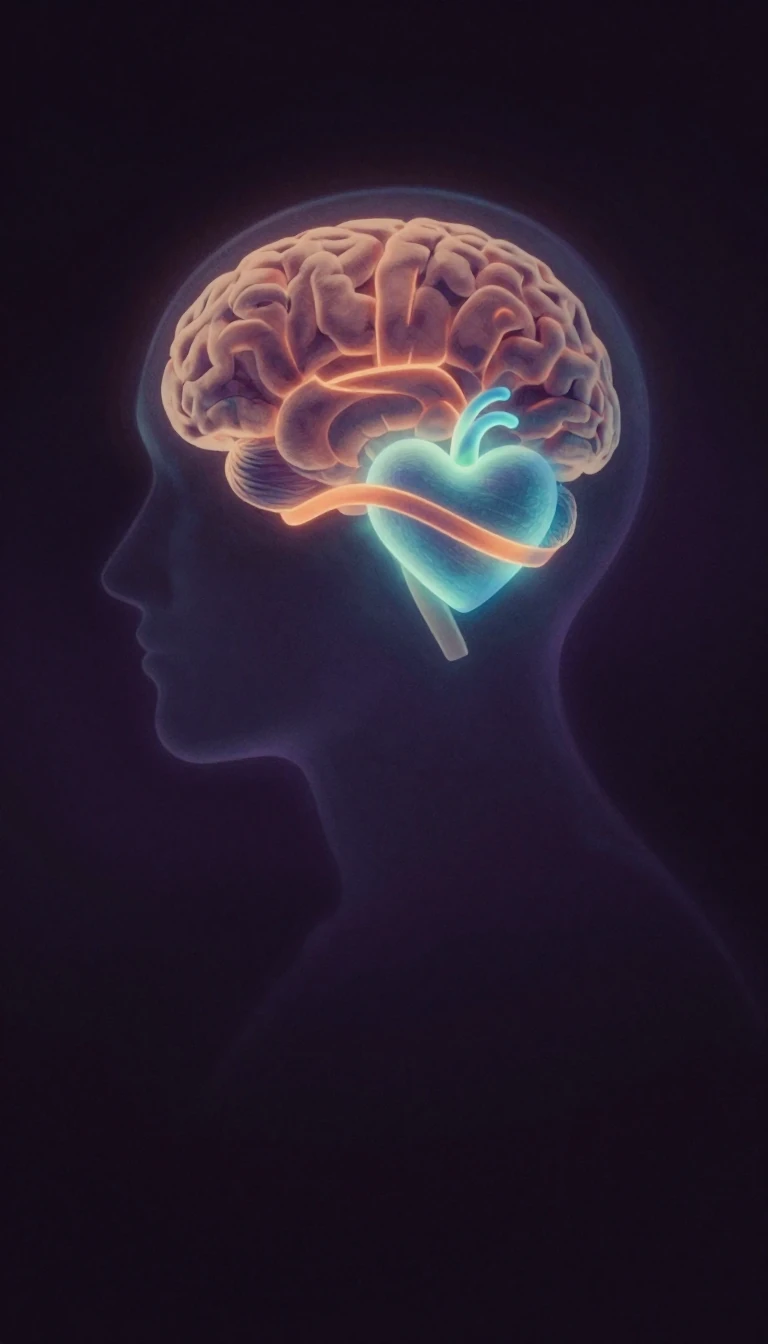
In short: Have you ever looked at a clock and felt like the second hand paused for an extra heartbeat? This isn't a glitch in time, but a clever trick by your visual system. To keep your world from looking blurry, your brain literally rewrites the past to maintain continuity.
Chronostasis is a temporal illusion where the first impression of a new event feels extended in time. A classic example is the stopped-clock illusion: when you shift your gaze to an analog clock, the second hand appears to hang still for longer than usual. This effect can extend perceived durations by up to half a second. It occurs because our visual system models events prior to perception; essentially, the brain fills in missing information to create a seamless experience.
The mechanism relies on 'saccades'—the rapid movements your eyes make between targets. During these jumps, the brain uses a process called saccadic masking to suppress incoming sensory data, which would otherwise appear as a motion blur. When the eye lands on its new target, the brain sends an efference copy (a signal that the movement has finished). To account for the time 'lost' during the mask, the brain performs neural antedating, or backdating. It takes the information gathered immediately after the saccade and projects it backward to fill the gap.
Interestingly, this isn't just a visual trick; it happens in auditory and tactile domains too. For instance, people switching a phone between ears may overestimate the time between rings. Research suggests that while shifting attention alone doesn't trigger chronostasis, physical eye movement is the critical marker. Furthermore, the severity of the illusion scales with the amplitude of the saccade—the further your eyes travel, the more 'time' the brain feels it needs to invent. However, if you are consciously aware of a target moving during that gap, the illusion often fails because the interruption of spatial continuity makes the object appear novel rather than continuous.
The perception is also shaped by neural adaptation. Repetitive stimuli tend to feel shorter because neurons fire in patterns that eventually become suppressed. Conversely, many similar events can exaggerate duration overestimation, making chronostasis effects more severe. This suggests a universal timing mechanism across different senses, where the brain prioritizes a continuous narrative of reality over raw sensory accuracy.
Opens the Intellect+ feed with this card first. Swipe up for the next one.
Sources
- Summary by Intellect · source: Chronostasis
To cite this card, link to https://intellectplus.co.uk/app/music-chronostasis.
How we source, check and correct cards: Editorial standards.
General information, not professional advice. Spotted an error? Flag the card or see corrections and complaints.
Intellect Plus is a visual educational discovery platform for exploring fascinating facts and ideas. Brain Food, Not Brain Rot. What is Intellect Plus?
Related
More in Illusions · More in Music · Latest · A–Z · All topics
