Why the concert band spent centuries struggling to find its own musical identity
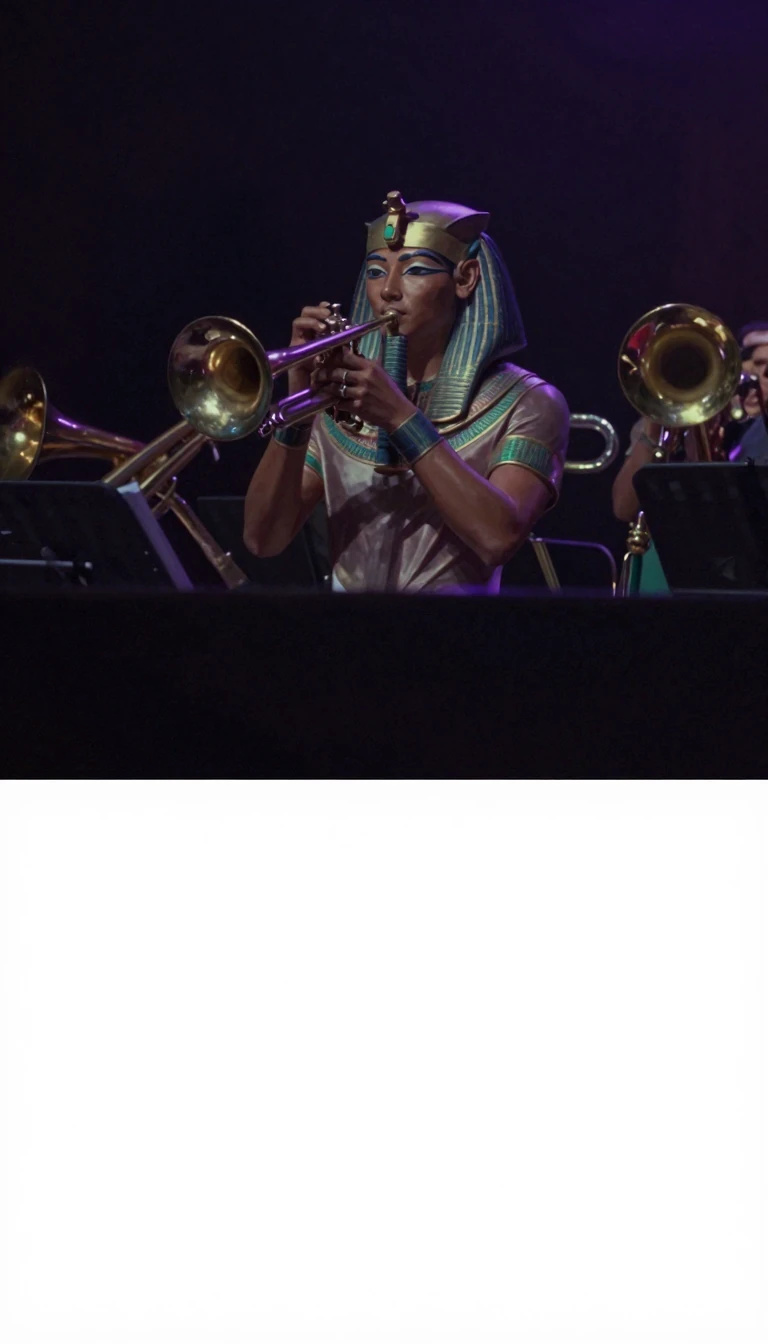
In short: Unlike the symphony orchestra, the concert band lacks a standardized set of instruments. This fluidity once made it a nightmare for composers to write for, forcing bands to rely on orchestral transcriptions for generations. Only recently did the ensemble evolve into a sophisticated, independent medium for serious original music.
The concert band, or wind ensemble, is defined by its woodwind, brass, and percussion sections, pointedly excluding the string family that anchors an orchestra. Its roots trace back to French Revolutionary festivals, where large wind groups played popular music to captivate crowds. However, these early ensembles faced a significant hurdle: a lack of standardization. Because there was no fixed requirement for instrument types or quantities, composers found it nearly impossible to write scores that would sound consistent across different groups.
Compounding this issue were the technical limitations of 18th-century wind instruments, which struggled with pitch accuracy and rhythmic agility. Consequently, serious composers largely ignored the medium, leaving bands to perform arrangements of operatic or orchestral works. This reliance on transcriptions persisted throughout the 19th century, as military bands—the primary home for wind ensembles—focused on marches and ceremonial duties rather than original concert repertoire.
A shift occurred in the early 1900s when frustrated composers began creating music specifically for the wind band. Gustav Holst’s 1909 First Suite for Band stands as a landmark in this transition. By 1952, Frederick Fennell further modernized the field at the Eastman School of Music by establishing a flexible, orchestra-like model that allowed composers to select from a pool of players to achieve specific sonorities. This development helped move the concert band away from its purely military origins.
Today, the concert band exists in a complex ecosystem of professional, community, and school ensembles. While professional opportunities remain rare and highly competitive, the rise of industrialization and the subsequent expansion of school music programs have helped sustain the community band tradition. Despite this growth, the medium remains inherently non-standardized; composers still frequently add or omit parts, often cueing important lines into multiple instruments to ensure the music remains playable regardless of the specific ensemble's makeup.
Opens the Intellect+ feed with this card first. Swipe up for the next one.
Sources
- Summary by Intellect · source: Concert band
To cite this card, link to https://intellectplus.co.uk/app/music-concert-band.
How we source, check and correct cards: Editorial standards.
General information, not professional advice. Spotted an error? Flag the card or see corrections and complaints.
Intellect Plus is a visual educational discovery platform for exploring fascinating facts and ideas. Brain Food, Not Brain Rot. What is Intellect Plus?
Related
More in Music · More in Music · Latest · A–Z · All topics
