The Classical era traded fugal thickets for clear tunes
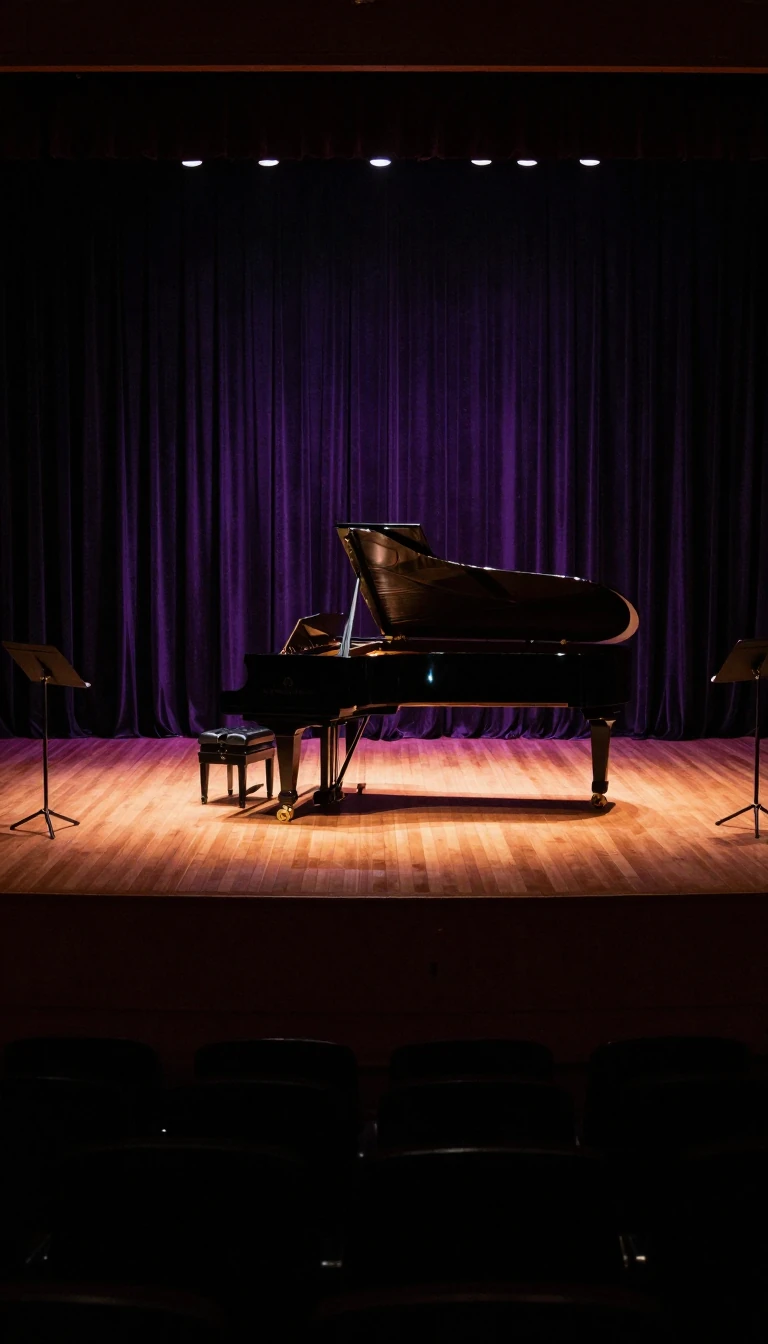
In short: Roughly 1750–1820, European art music shifted from Baroque layered counterpoint toward homophony: one singing melody over clear chordal support. Style galant prized light elegance; the piano's touch-sensitive hammers finally replaced the harpsichord's unyielding pluck for good.
Often called Viennese Classicism—Gluck, Haydn, Mozart, Beethoven, Schubert and peers worked in Vienna—the style mirrored Neoclassical taste for order, hierarchy, and audible tonal contrast. Newton's orderly physics became a cultural metaphor: structures should rest on clear axioms. Chords interrupted single-line smoothness but made key centres unmistakable. Public appetite for comic opera and noble patronage of instrumental music shrank the continuo; by about 1800 basso continuo was nearly extinct outside early-nineteenth Masses.
Smaller court bands forced simpler ensemble parts—or dazzling solos for resident virtuosi such as Mannheim's famous orchestra. New pieces often saw one rehearsal; even after 1790 Mozart casually mentions "the rehearsal." Composers began marking dynamics, phrasing, and ornaments once left to improvisation. Sonata form reconciled tune with harmonic drama across first movements of symphonies and quartets; the solo concerto edged out the concerto grosso, though Mozart's Sinfonia Concertante kept the older spirit alive for paired soloists.
Themes arrived in short, contrasting phrases—often four bars—above textures like Alberti bass. Equal temperament helped cadences sound alike in every key; woodwinds became a self-contained section as keyboard continuo left the orchestra between 1750 and 1775. Charles Rosen describes 1755–75 as a search for "dramatic action" that could hold successive emotions in one character, as when Mozart's Entfuhrung lovers pass from joy through outrage to reconciliation. Clarity, not barrenness, was the aesthetic point of the age.
Opens the Intellect+ feed with this card first. Swipe up for the next one.
Sources
- Summary by Intellect · source: Classical period (music)
To cite this card, link to https://intellectplus.co.uk/app/music-classical-period-music.
How we source, check and correct cards: Editorial standards.
General information, not professional advice. Spotted an error? Flag the card or see corrections and complaints.
Intellect Plus is a visual educational discovery platform for exploring fascinating facts and ideas. Brain Food, Not Brain Rot. What is Intellect Plus?
Related
More in Music · More in Music · Latest · A–Z · All topics
