Why did young Bach walk 250 miles just to meet this elusive Baroque master?
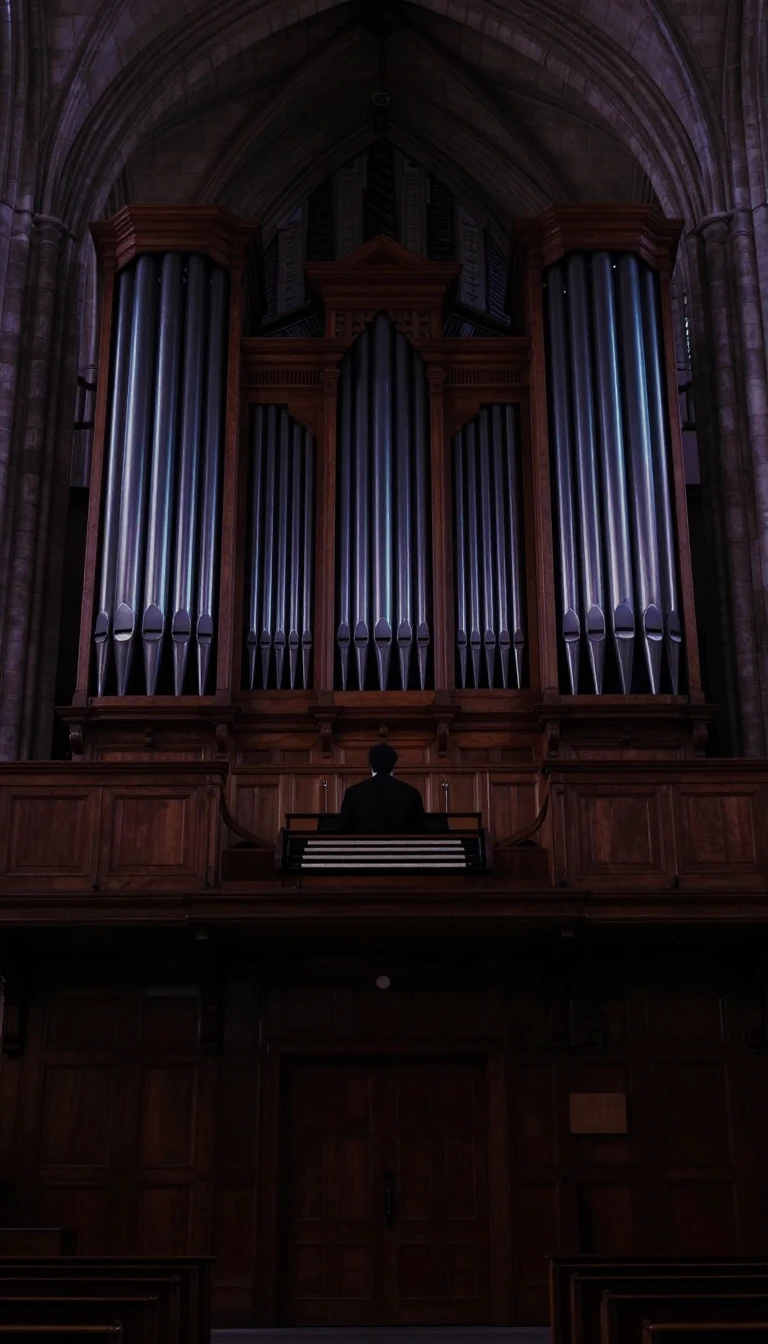
In short: Dieterich Buxtehude was the North German organist who turned Lübeck into a musical mecca. His influence was so profound that legends like Handel and Bach traveled great distances to study under him. Yet, his career was defined by a strange condition: to succeed him, one had to marry his daughter.
Born around 1637, Buxtehude’s origins remain a subject of scholarly debate, with some sources pointing to Oldesloe and others to Helsingborg. Regardless of his birthplace, he became the pre-eminent organist of the 17th century, eventually settling at St. Mary’s Church in Lübeck in 1668. There, he succeeded Franz Tunder, whose daughter, Anna Margarethe, he married that same year. This position granted him significant professional autonomy, allowing him to transform the city into a cultural hub for northern German music.
Buxtehude is perhaps best remembered for the Abendmusiken, a series of evening concerts he reorganized in 1673. These performances, held on five Sundays annually, became the pride of Lübeck and continued long after his death in 1707. His compositions—ranging from intricate organ toccatas and passacaglias to over 100 extant vocal cantatas—provided a foundational model for the next generation of Baroque masters. His organ works, in particular, deeply influenced J.S. Bach, who famously walked over 250 miles in 1705 to witness Buxtehude’s artistry and learn from his techniques.
Despite his fame, Buxtehude’s legacy is marked by significant loss; much of his instrumental and vocal music remains missing, with only librettos surviving for his oratorios. His career path also highlights the rigid social customs of the era. When he sought a successor, he required candidates like Handel and Mattheson to marry his eldest daughter, Anna Margareta. Both men refused the condition and departed immediately. Today, while he is recognized as a titan of the Baroque, much of his work was only rediscovered in the 20th century, shifting his historical reputation from a keyboard specialist to a versatile composer of diverse vocal and instrumental idioms.
The enduring mystery of his early life and the loss of his scores underscore the fragile nature of musical history. While his vocal music is noted for a devout simplicity, it provided the structural and stylistic blueprint for the more elaborate works of his successors. By bridging the gap between the middle Baroque and the height of the era, Buxtehude remains a pivotal, if partially obscured, figure in Western music.
Opens the Intellect+ feed with this card first. Swipe up for the next one.
Sources
- Summary by Intellect · source: Dietrich Buxtehude | Baroque Composer, Organist & Teacher | Britannica
- Also: Dieterich Buxtehude
To cite this card, link to https://intellectplus.co.uk/app/music-dieterich-buxtehude.
How we source, check and correct cards: Editorial standards.
General information, not professional advice. Spotted an error? Flag the card or see corrections and complaints.
Intellect Plus is a visual educational discovery platform for exploring fascinating facts and ideas. Brain Food, Not Brain Rot. What is Intellect Plus?
Related
More in Musicians and composers · More in Music · Latest · A–Z · All topics
