Why did a legendary Spanish composer drown with a belt full of gold?
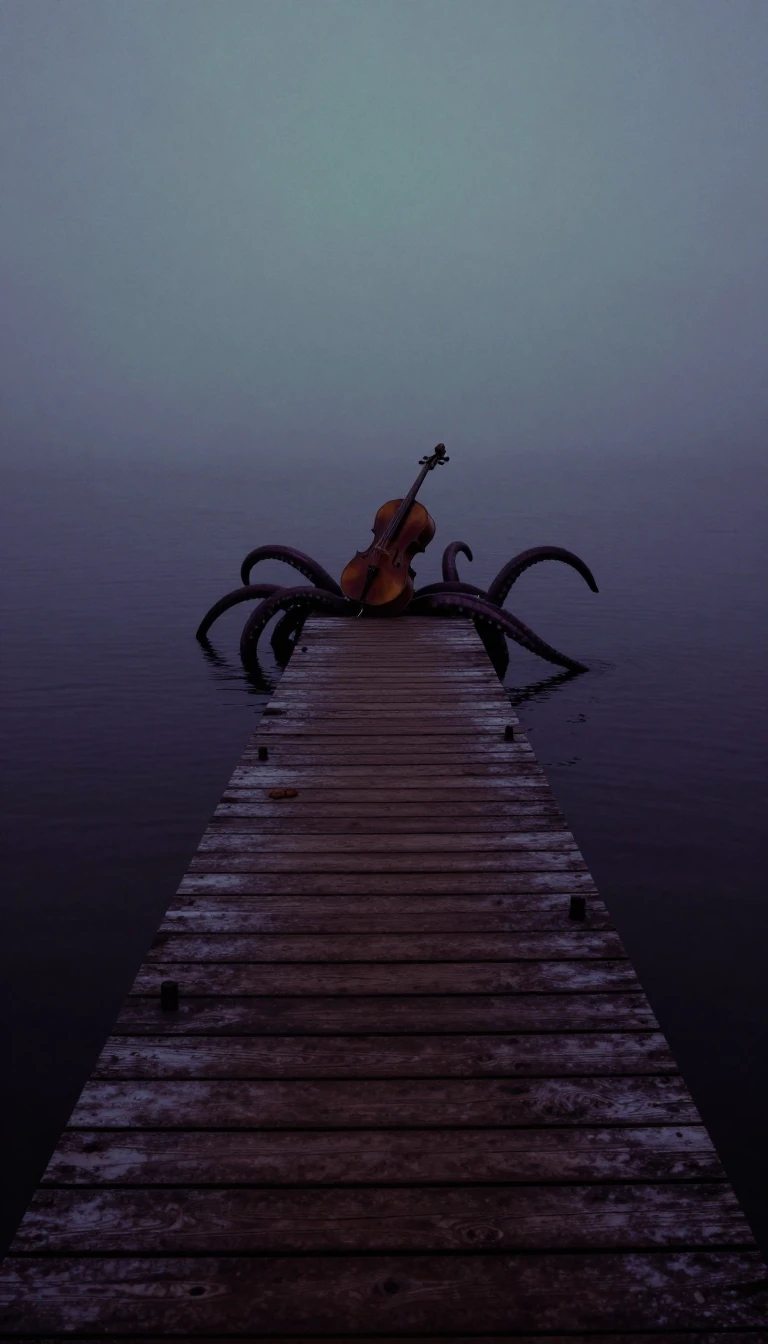
In short: Enrique Granados was a titan of the modern Catalan piano school, celebrated for his evocative Goyescas suite. Yet, his life ended in tragedy during World War I when his ferry was torpedoed. Legend suggests he perished while attempting to save his wife, weighed down by a belt of gold.
Born in 1867, Enrique Granados emerged as a central figure in the modern Catalan school of piano. His musical education was shaped by rigorous training in Barcelona and later in Paris, where he studied under Charles-Wilfrid de Bériot. Bériot’s influence was profound, particularly in his insistence on refined tone production and the development of improvisation skills, which became hallmarks of Granados’ own teaching at his Barcelona-based Acadèmia Granados.
Granados’ career was defined by three distinct stylistic periods: a romantic phase, a nationalist Spanish period, and finally, his celebrated Goya-inspired works. His suite Goyescas, premiered in 1911, became his most iconic achievement. The work’s success led him to adapt it into an opera, which saw its first performance in New York City in January 1916. This American tour was a high point in his career, culminating in a recital for President Woodrow Wilson.
The circumstances of his death in March 1916 remain shrouded in conflicting accounts. While returning to Europe via the English Channel, his ferry, the SS Sussex, was torpedoed by a German U-boat. One narrative claims he died trying to rescue his wife, Amparo, from the water. Another suggests he was dragged down by a heavy money belt filled with gold—a payment method he insisted upon due to the global economic instability caused by the war. Regardless of the specific details of his final moments, his legacy endured through his students, such as Alicia de Larrocha, and his extensive body of compositions.
Today, his influence is recognized through his contributions to piano, chamber, and vocal music, including his Tonadillas and various orchestral works. His personal papers and epistolary collections, which include correspondence with luminaries like Pablo Casals, are preserved in the National Library of Catalonia, ensuring that the life and work of this Spanish master remain accessible to future generations of musicians and scholars.
Opens the Intellect+ feed with this card first. Swipe up for the next one.
Sources
- Summary by Intellect · source: Enrique Granados
To cite this card, link to https://intellectplus.co.uk/app/music-enrique-granados.
How we source, check and correct cards: Editorial standards.
General information, not professional advice. Spotted an error? Flag the card or see corrections and complaints.
Intellect Plus is a visual educational discovery platform for exploring fascinating facts and ideas. Brain Food, Not Brain Rot. What is Intellect Plus?
Related
More in Musicians and composers · More in Music · Latest · A–Z · All topics
