The Queen of Ghazal: How Farida Khanum Defined a Century of South Asian Music
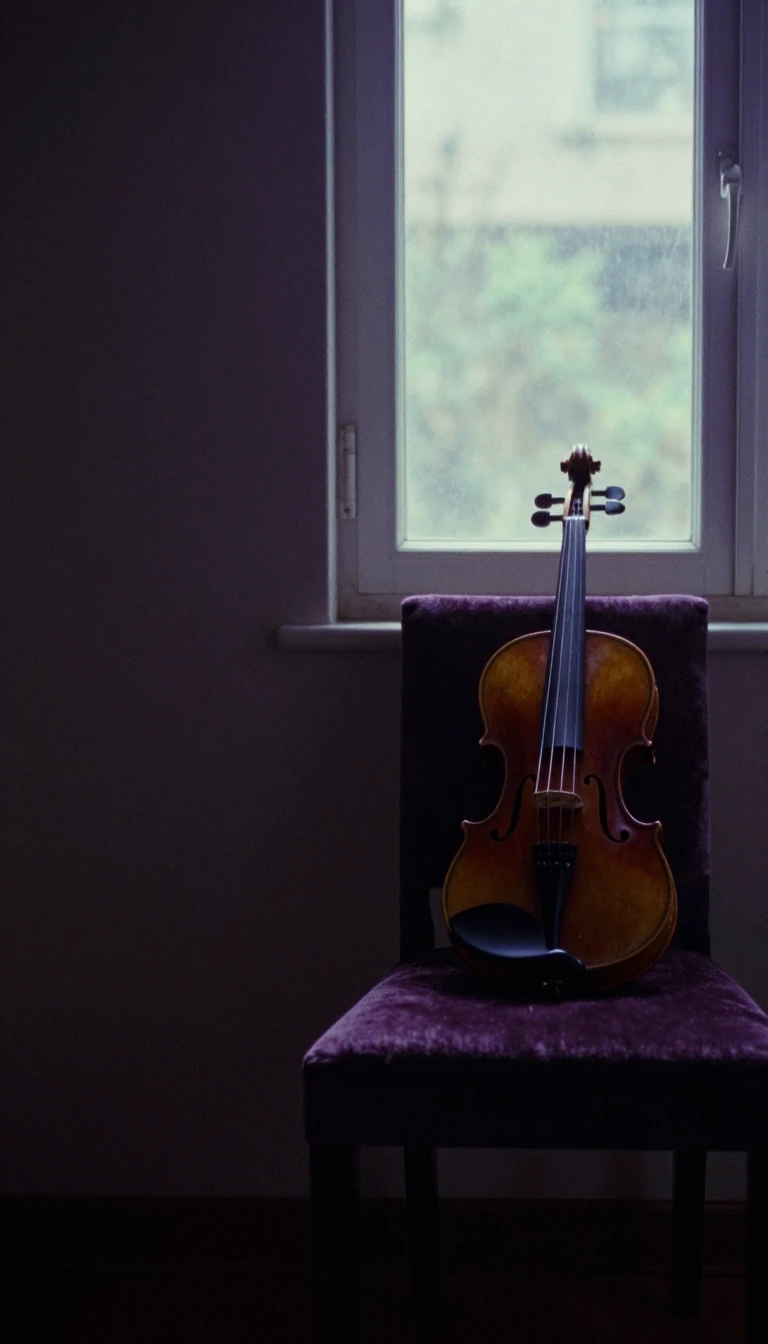
In short: Born in 1934, Farida Khanum rose from a musical household in British India to become the undisputed Malika-e-Ghazal. Her journey spans the partition of nations, the golden age of Pakistani radio, and a legendary career that continues to captivate audiences across borders, proving the enduring power of the classical ghazal.
Farida Khanum, widely celebrated as the Malika-e-Ghazal or Queen of Ghazal, remains one of the most significant figures in the history of South Asian classical music. Born in 1934 in Calcutta, she grew up in a family deeply immersed in the arts. Her sister, the renowned singer Mukhtar Begum, played a pivotal role in her early development, frequently taking her to the home of Ustad Ashiq Ali Khan of the Patiala gharana. Under his guidance, Khanum mastered the intricate techniques of Khayal, Thumri, and Dadra, laying the foundation for her later mastery of the ghazal genre.
The trajectory of her life was fundamentally altered by the 1947 Partition of India. Her family relocated from Amritsar to Lahore, Pakistan, when she was 18 years old. By 1950, at just 15, she delivered her first public concert, marking the beginning of a prolific career. Her rise to national prominence was cemented in the 1960s after a high-profile invitation to perform for President Ayub Khan. Beyond her radio and television work, she expanded her reach internationally, performing in Kabul during the late 1960s and early 1970s, where she collaborated with local musicians to sing Persian-language ghazals.
Khanum is perhaps most iconic for her rendition of Aaj Jaane Ki Zidd Naa Karo, a composition by poet Fayyaz Hashmi that has become synonymous with her name. Her influence has persisted well into the modern era; in 2015, at the age of 80, she returned to the spotlight for a celebrated performance on Coke Studio Season 8. This longevity is matched by her cultural impact, which was formally recognized in 2012 when Radio Pakistan hosted a special tribute concert in her honor. Today, she continues to reside in Lahore, remaining a living bridge between the classical traditions of the past and the contemporary musical landscape of Pakistan and India.
The significance of her work lies not just in her technical precision, but in her ability to bridge cultural divides. Whether performing for heads of state or collaborating with Afghan artists, Khanum has consistently utilized the ghazal to express profound emotional depth. Her career serves as a testament to the resilience of classical art forms in the face of geopolitical change, maintaining a dedicated following across generations and borders.
Opens the Intellect+ feed with this card first. Swipe up for the next one.
Sources
- Summary by Intellect · source: Farida Khanum
To cite this card, link to https://intellectplus.co.uk/app/music-farida-khanum.
How we source, check and correct cards: Editorial standards.
General information, not professional advice. Spotted an error? Flag the card or see corrections and complaints.
Intellect Plus is a visual educational discovery platform for exploring fascinating facts and ideas. Brain Food, Not Brain Rot. What is Intellect Plus?
Related
More in Musicians and composers · More in Music · Latest · A–Z · All topics
