Why Wagner’s epic finale is more than just the end of the gods
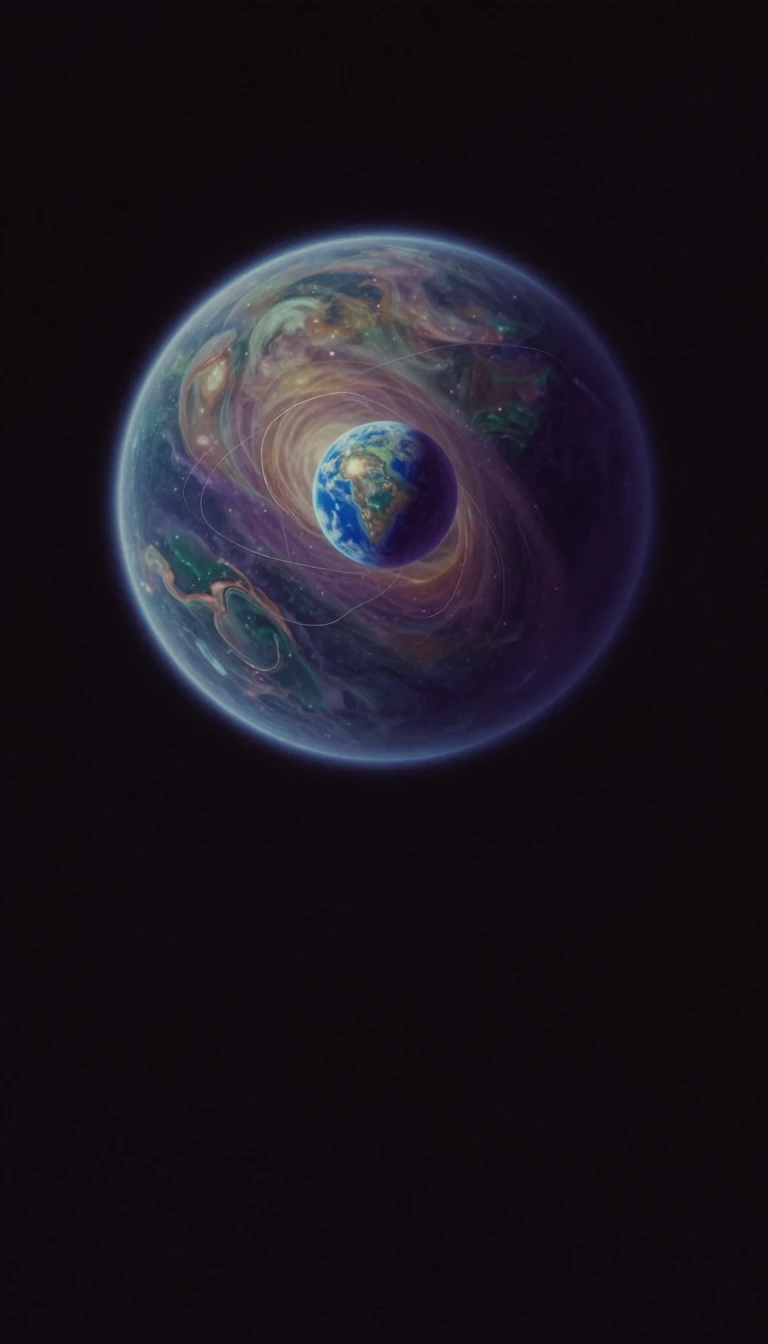
In short: Götterdämmerung, the final installment of Richard Wagner’s Ring cycle, depicts a catastrophic collapse of divine order. While the title echoes the Norse myth of Ragnarök, Wagner’s vision is a unique, complex tapestry of betrayal, greed, and ultimate redemption through love, culminating in a world-altering fire that consumes the heavens.
Premiering in 1876 at the Bayreuth Festspielhaus, Götterdämmerung serves as the conclusion to the four-part Ring of the Nibelung. The narrative centers on the hero Siegfried and the Valkyrie Brünnhilde, whose love is destroyed by the machinations of the half-human, half-dwarf Hagen. Hagen seeks to seize the cursed ring of power, manipulating the Gibichung rulers Gunther and Gutrune to ensnare Siegfried through memory-altering potions and deceit.
The drama unfolds as a series of broken oaths and tragic misunderstandings. After Siegfried is tricked into betraying Brünnhilde, his subsequent murder by Hagen triggers a chain reaction of vengeance. Brünnhilde, realizing the depth of the deception, orchestrates a final act of sacrifice. By returning the ring to the Rhinemaidens and riding into Siegfried’s funeral pyre, she cleanses the world of the ring's curse and brings an end to the reign of the gods in Valhalla.
Musically and philosophically, the work is a monumental achievement. Scholars like Warren J. Darcy have explored how Wagner’s engagement with Arthur Schopenhauer’s philosophy shaped the cycle’s conclusion, particularly the theme of redemption through love. The role of Hagen is famously demanding, requiring a vocal intensity that even legendary basses like Kurt Moll avoided to protect their voices. The work remains a cultural touchstone, even inspiring Friedrich Nietzsche’s 1888 book, Twilight of the Idols, which played on the opera's German title.
Ultimately, the destruction of Valhalla is not merely a nihilistic end but a transformation. As the Rhine overflows and the gods perish in flames, the final leitmotif of redemption signals a new beginning. The cycle moves from the Norns weaving the rope of destiny to the final collapse of the old world, leaving the audience with a profound meditation on power, sacrifice, and the cyclical nature of existence.
Opens the Intellect+ feed with this card first. Swipe up for the next one.
Sources
- Summary by Intellect · source: Götterdämmerung
To cite this card, link to https://intellectplus.co.uk/app/music-g-tterd-mmerung.
How we source, check and correct cards: Editorial standards.
General information, not professional advice. Spotted an error? Flag the card or see corrections and complaints.
Intellect Plus is a visual educational discovery platform for exploring fascinating facts and ideas. Brain Food, Not Brain Rot. What is Intellect Plus?
Related
More in Music · More in Music · Latest · A–Z · All topics
