Why the legendary hero Siegfried only discovers the meaning of fear through romantic love
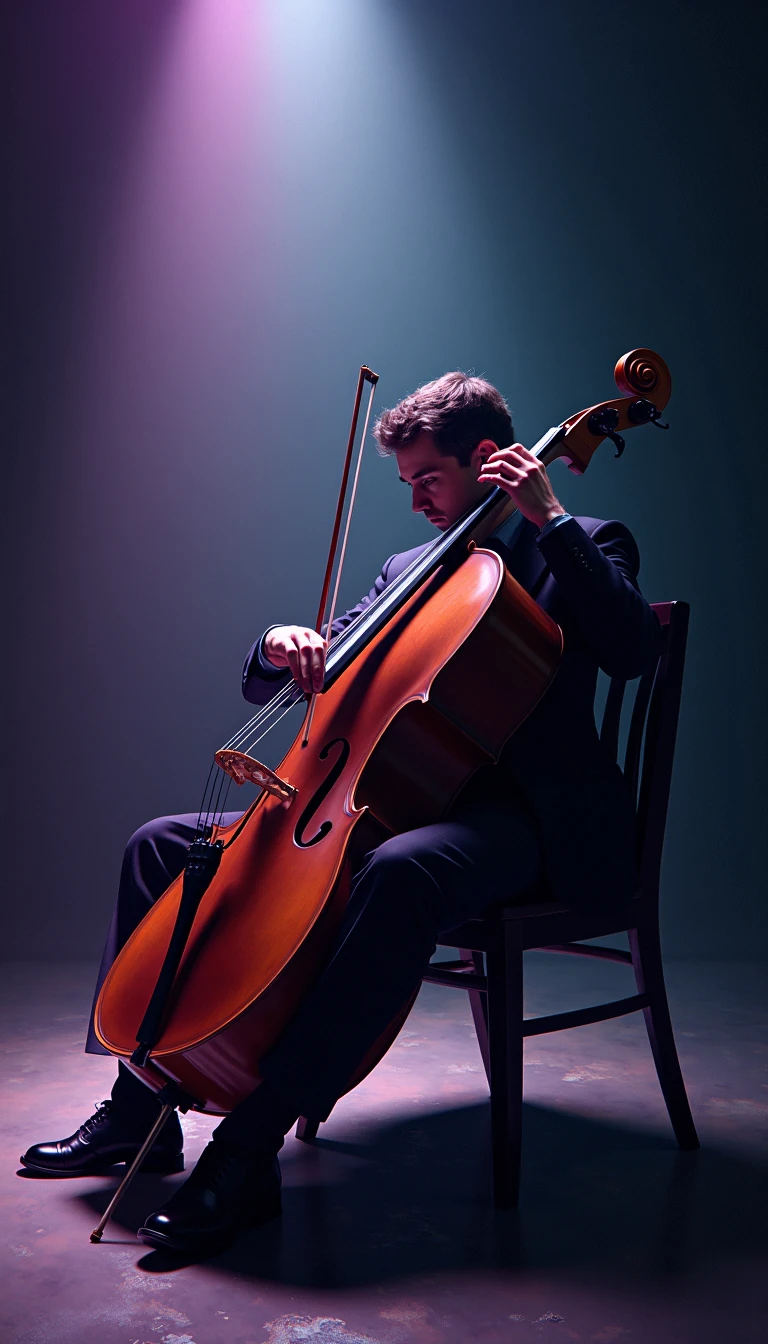
In short: In Richard Wagner’s epic music drama, the titular hero is a fearless youth who cannot be intimidated by dragons or gods. Yet, this invincible warrior finds himself trembling for the first time upon discovering a sleeping woman. It is a profound realization that transforms his understanding of both mortality and desire.
Siegfried, the third installment of Richard Wagner’s four-part Ring cycle, follows a hero raised by the dwarf Mime in a forest. Mime hopes to use the boy to reclaim a ring of power from the dragon Fafner, but Siegfried is indifferent to the dwarf's schemes. The youth’s journey is defined by his inability to feel fear, a trait that allows him to reforge the shattered sword Nothung and slay the dragon. By tasting the dragon's blood, he gains the ability to understand the language of nature, including a woodbird that guides him toward a mysterious woman surrounded by magic fire.
The opera’s narrative architecture is a complex synthesis of diverse influences. Wagner drew from the Brothers Grimm, specifically the tale of a boy who sets out to learn what fear is, equating this character with his own Siegfried. Other elements are rooted in Norse mythology, such as the Völsunga saga and the Eddic poem Baldrs draumar, which informs the scene where the god Wotan, disguised as a Wanderer, consults the earth goddess Erda. These mythological layers are woven together with 19th-century theatrical tropes, including a Faustian influence that allows Siegfried to perceive the true, treacherous intentions behind Mime’s words.
The climax occurs when Siegfried encounters Brünnhilde, a figure he initially mistakes for a man. Upon removing her armor and realizing she is a woman, he experiences fear for the first time. This vulnerability marks a pivotal shift in the drama. By waking her, Siegfried enters a realm of human emotion that eclipses the power of the gods. As the two embrace, they celebrate a love that renders the traditional glory of the divine world insignificant, ultimately framing their union as a jubilant defiance of death itself.
Opens the Intellect+ feed with this card first. Swipe up for the next one.
Sources
- Summary by Intellect · source: Siegfried (opera)
To cite this card, link to https://intellectplus.co.uk/app/music-siegfried-opera.
How we source, check and correct cards: Editorial standards.
General information, not professional advice. Spotted an error? Flag the card or see corrections and complaints.
Intellect Plus is a visual educational discovery platform for exploring fascinating facts and ideas. Brain Food, Not Brain Rot. What is Intellect Plus?
Related
More in Music · More in Music · Latest · A–Z · All topics
