Why the most famous composer of the 18th century was almost a lawyer
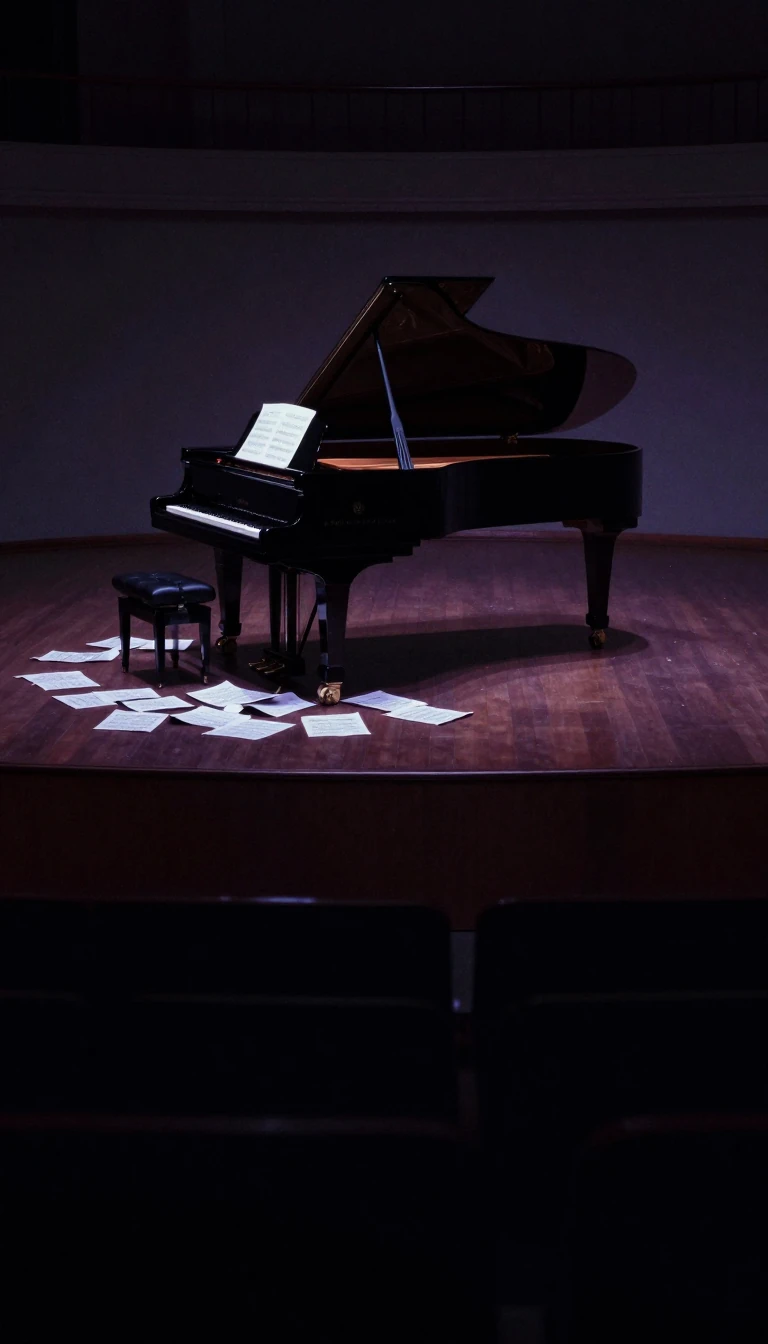
In short: Georg Philipp Telemann was the most celebrated musician of his era, yet he was entirely self-taught and initially discouraged from pursuing music. While his contemporaries like Bach struggled for recognition, Telemann became a European sensation, revolutionizing public concerts and pioneering the commercial publication of music for the masses.
Born in 1681, Telemann was the son of a Protestant minister who viewed music as an unremunerative and unattractive career. Despite his family's opposition, he mastered a vast array of instruments—including the violin, recorder, and viola da gamba—through sheer self-teaching. In 1701, he enrolled at the University of Leipzig to study law, but his magnetic talent for organization and composition quickly pulled him into the city's musical life. He reorganized student societies into efficient amateur orchestras and directed the Leipzig Opera, proving that his administrative genius was as formidable as his creative output.
Telemann’s career trajectory took him through prestigious posts in Sorau, Eisenach, and Frankfurt, before he settled in Hamburg in 1721. There, he managed music for five major churches, directed the opera, and taught at the Johanneum school. His influence was so profound that when he declined an offer to succeed Johann Kuhnau as organist at the Thomaskirche in 1722, the position famously fell to Johann Sebastian Bach. Telemann was not merely a prolific composer; he was a savvy entrepreneur who published his own music, including the pioneering periodical Der getreue Music-Meister, and provided practical performance advice in his prefaces.
His personal life, however, was marked by tragedy and financial strain. His first wife died shortly after their marriage, and his second wife abandoned him, leaving behind a staggering debt of 3,000 taler. Despite these burdens, Telemann remained at the forefront of musical innovation, seamlessly blending German, Italian, and French styles while absorbing Polish and English influences. By the time he died in 1767 at age 86, he had left behind a legacy that bridged the late Baroque and early Classical periods, cementing his status as a titan of musical history.
Opens the Intellect+ feed with this card first. Swipe up for the next one.
Sources
- Summary by Intellect · source: Georg Philipp Telemann | German Baroque Composer & Violinist | Britannica
- Also: Georg Philipp Telemann
To cite this card, link to https://intellectplus.co.uk/app/music-georg-philipp-telemann.
How we source, check and correct cards: Editorial standards.
General information, not professional advice. Spotted an error? Flag the card or see corrections and complaints.
Intellect Plus is a visual educational discovery platform for exploring fascinating facts and ideas. Brain Food, Not Brain Rot. What is Intellect Plus?
Related
More in Musicians and composers · More in Music · Latest · A–Z · All topics
