Why Gian Carlo Menotti rejected the cold complexity of modern classical music
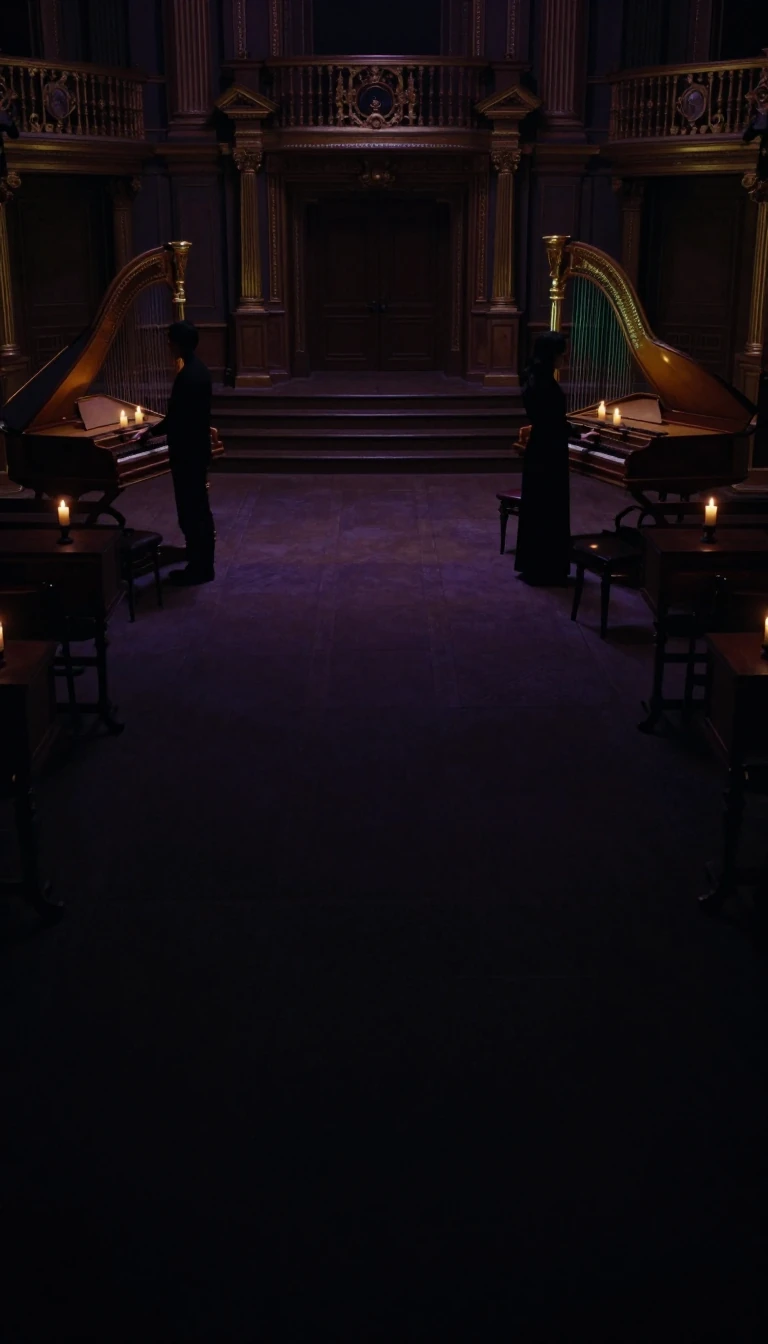
In short: Gian Carlo Menotti was a titan of 20th-century opera who defied the era's obsession with atonality. By prioritizing expressive lyricism and natural speech rhythms, he crafted works that resonated with popular audiences. His career spanned decades, producing Pulitzer-winning dramas and the first opera ever written specifically for American television.
Born in Italy in 1911, Menotti was a child prodigy who began composing at seven. After moving to the United States in 1928 to study at the Curtis Institute of Music, he developed a distinct style rooted in the verismo tradition of Giacomo Puccini and Modest Mussorgsky. While his contemporaries in the Second Viennese School embraced atonality, Menotti viewed such music as inherently pessimistic and incapable of capturing joy or humor. Instead, he focused on orchestrations that were light and open, ensuring his melodies remained memorable and his dramatic intent clear.
Menotti’s commitment to accessibility paid off. He achieved massive success in the 1940s and 1950s, notably with The Consul and The Saint of Bleecker Street, both of which earned Pulitzer Prizes. His 1951 work, Amahl and the Night Visitors, became a cultural touchstone as the first opera composed for television, eventually evolving into an annual holiday tradition. He was a prolific creator who wrote his own libretti, believing that music should serve the text rather than treat the human voice as a mere instrument.
Beyond his compositions, Menotti was a tireless advocate for the arts. In 1958, he established the Festival of Two Worlds in Spoleto, Italy, later launching an American counterpart in Charleston, South Carolina, in 1977. These festivals were designed to bring opera to the masses, launching the careers of numerous performers and choreographers. Even in his later years, he remained active, directing operas and composing works for children until his death in 2007 at age 95. His legacy remains defined by a refusal to sacrifice emotional connection for the sake of modernistic complexity.
Opens the Intellect+ feed with this card first. Swipe up for the next one.
Sources
- Summary by Intellect · source: Gian Carlo Menotti
To cite this card, link to https://intellectplus.co.uk/app/music-gian-carlo-menotti.
How we source, check and correct cards: Editorial standards.
General information, not professional advice. Spotted an error? Flag the card or see corrections and complaints.
Intellect Plus is a visual educational discovery platform for exploring fascinating facts and ideas. Brain Food, Not Brain Rot. What is Intellect Plus?
Related
More in Musicians and composers · More in Music · Latest · A–Z · All topics
