How Heinrich Schütz bridged the gap between Italian innovation and the German soul
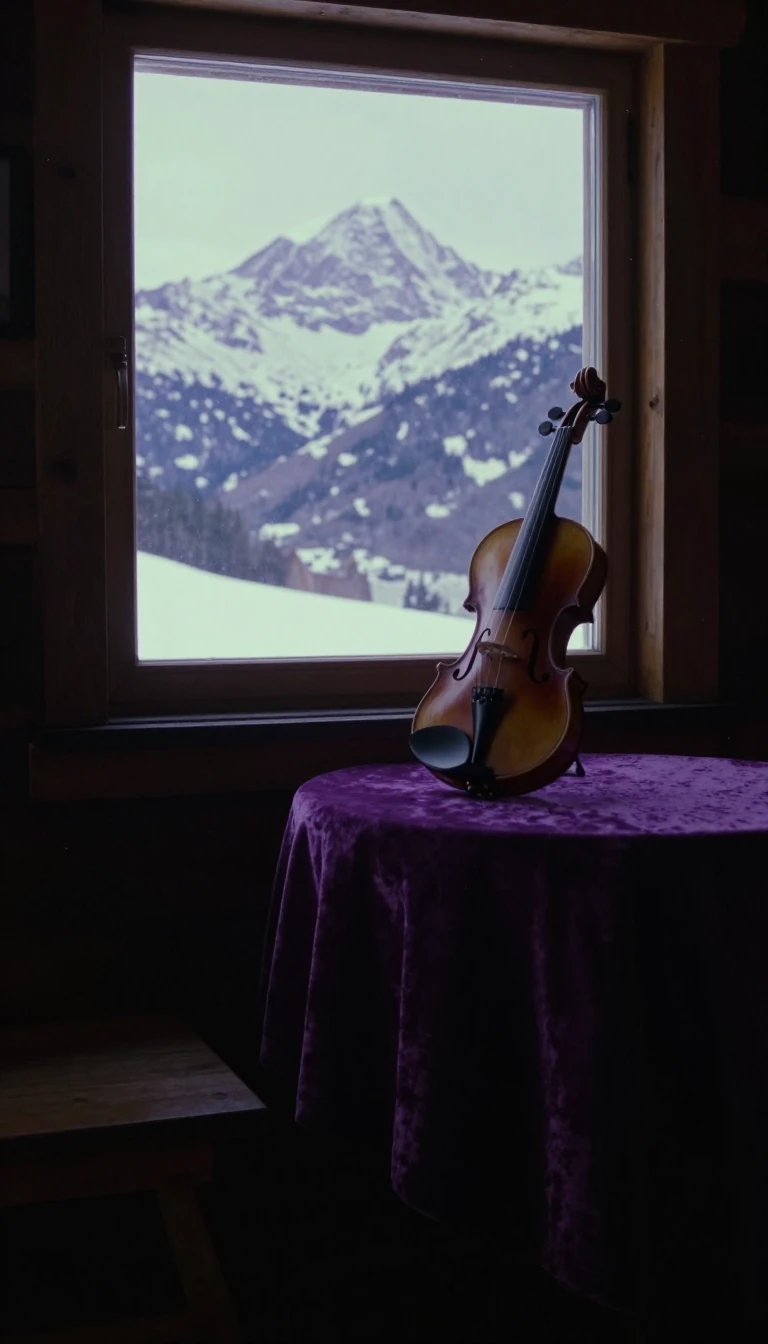
In short: Long before Bach, Heinrich Schütz transformed German music by importing the dramatic, expressive styles of Venice. Through the chaos of the Thirty Years' War, he pioneered a unique synthesis of Italian vocal flair and traditional German choral depth, leaving a legacy that defined the early Baroque era in Europe.
Born in 1585, Heinrich Schütz rose from a talented choirboy to become the preeminent German composer of the 17th century. His musical identity was forged in Venice, where he studied under Giovanni Gabrieli from 1609 to 1612. This Italian training introduced him to the polychoral and concertato styles that would later define his work. Upon returning to Germany, Schütz served the elector of Saxony in Dresden, where he worked to integrate these progressive Italian techniques into the German musical landscape without sacrificing the distinct, individual character of his native tradition.
The trajectory of Schütz’s career was profoundly shaped by the Thirty Years' War, which devastated Germany’s musical infrastructure. During this period of instability, the massive, opulent works he favored in his youth became difficult to perform. Consequently, his compositions evolved, shifting from the elaborate, florid styles of his earlier years toward a more austere, simplified approach. This transition is evident in his late-career a cappella Passion settings, where he stripped away vocal ornamentation to focus on the raw delivery of scriptural text, a stark contrast to the dramatic works of his Venetian mentor, Claudio Monteverdi.
Despite these practical constraints, Schütz’s output remained remarkably diverse. He is credited with writing the first German opera, Dafne, in 1627, though the score is lost. His 1636 Musikalische Exequien is widely celebrated as the first German Requiem, masterfully blending Italian-style solo writing with traditional German chorale structures. By the time of his death in 1672, Schütz had established a bridge between the Renaissance and the high Baroque, influencing generations of musicians and securing his status as the most significant German composer to precede Johann Sebastian Bach.
Opens the Intellect+ feed with this card first. Swipe up for the next one.
Sources
- Summary by Intellect · source: Heinrich Schütz | German Baroque Composer & Musician | Britannica
- Also: Heinrich Schütz
To cite this card, link to https://intellectplus.co.uk/app/music-heinrich-sch-tz.
How we source, check and correct cards: Editorial standards.
General information, not professional advice. Spotted an error? Flag the card or see corrections and complaints.
Intellect Plus is a visual educational discovery platform for exploring fascinating facts and ideas. Brain Food, Not Brain Rot. What is Intellect Plus?
Related
More in Musicians and composers · More in Music · Latest · A–Z · All topics
